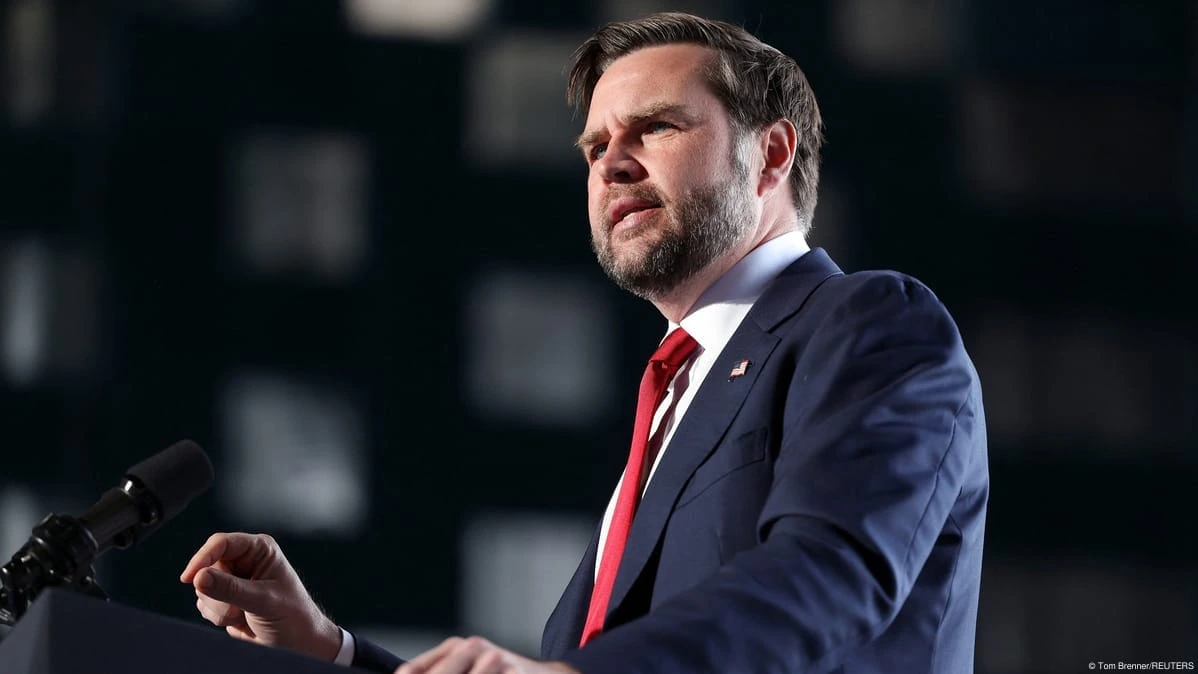
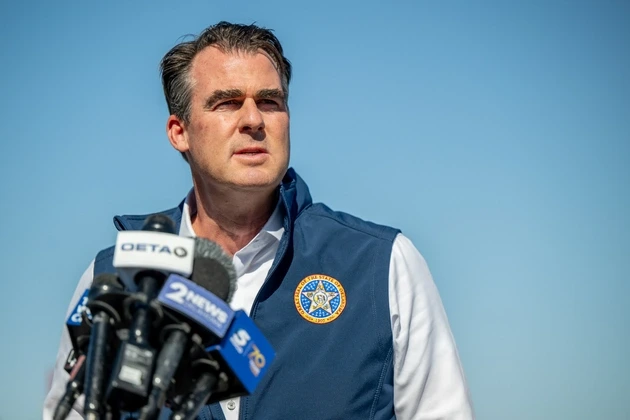
The vice president JD Vance harshly questioned a proposal from Oklahoma Governor Kevin Stitt that seeks to allow states to grant work permits to immigrants to fill job positions requested by companies. Vance warned that the initiative could become a way to grant amnesty to those who violated U.S. immigration laws and favor the interests of large corporations at the expense of American workers.
''For many people, this seems like an attempt to grant amnesty to individuals who have broken our laws,'' Vance wrote on social media platform X. ''It is morally and electorally disastrous,'' he added, making clear his opposition to relaxing immigration restrictions to satisfy the demands of the business sector.
The vice president's reaction came after Stitt defended a reform that would allow governors to issue work permits for immigrants when a company guarantees that it needs to hire foreign personnel. The state leader argued that local governments know their labor market needs better than federal officials in Washington.
''We are complicating immigration reform too much: it is as simple as if an employer backs a worker, the state governor should be able to issue that work permit. Period. End of story,'' Stitt maintained. He also stated that other countries have already implemented similar mechanisms and that the United States should follow that path.
Vice President JD Vance criticized a plan by the governor of Oklahoma for companies to import immigrants for their jobs
However, Vance questioned what it really means to push for a bipartisan immigration reform and established a distinction between combating corporate abuses and facilitating the hiring of foreign workers.
''I like Kevin, but what does 'bipartisan immigration reform' mean? If you mean making it harder for megacorporations to defraud our visa system, great. If it means we should pass laws to make it harder for employers to violate our immigration laws, I'm willing to listen. But for many people, this seems like an attempt to grant amnesty to individuals who have broken our laws,'' he wrote.
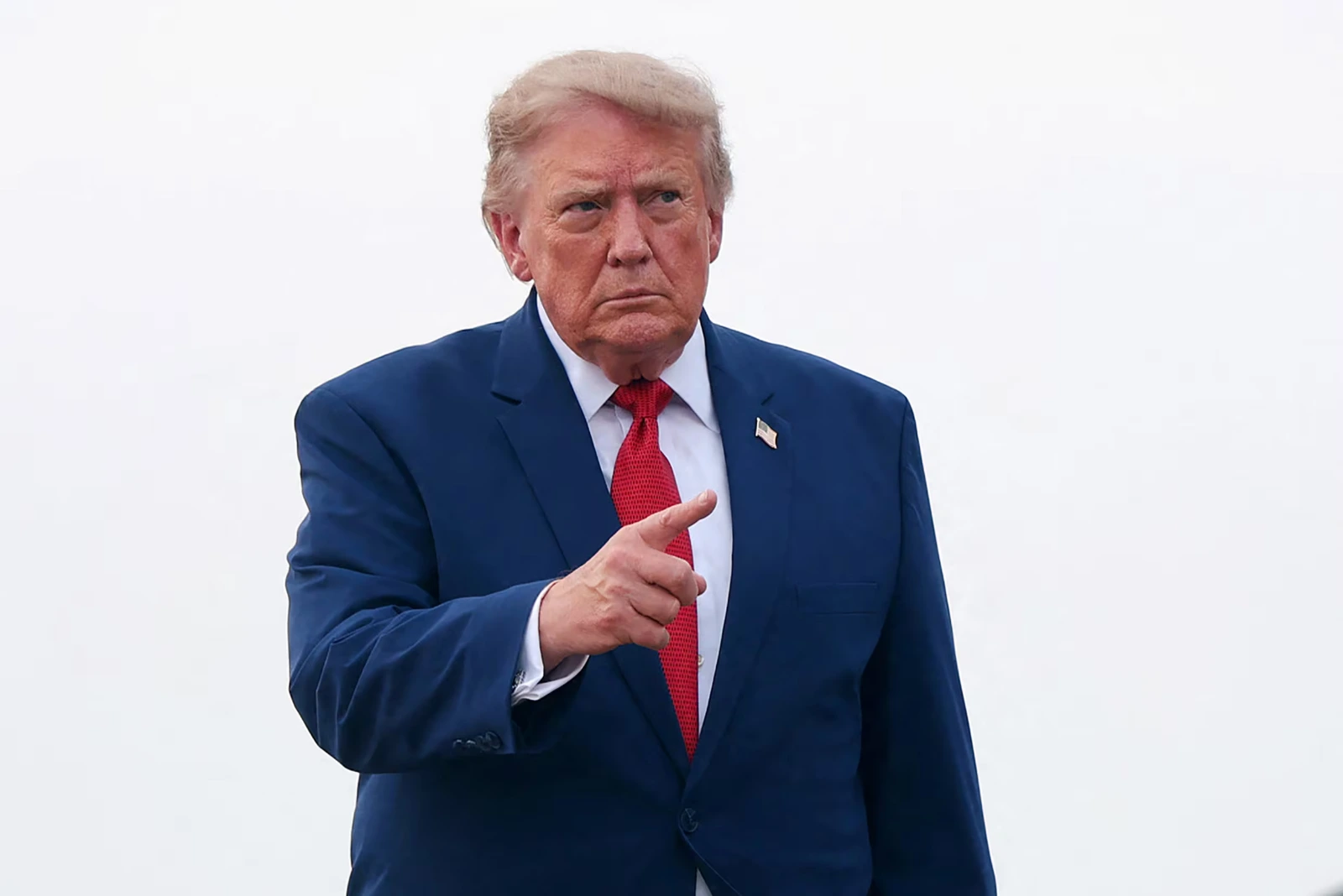
JD Vance's stance aligns with the immigration line of President Donald Trump, who has repeatedly questioned the foreign hiring programs used by large companies to fill job positions.
The vice president has also warned about the political risks of business sectors pressuring to maintain high immigration, even when it harms the opportunities and wages of American citizens.
The Donald Trump administration maintains unity with regard to the hiring of immigrants
Stitt's proposal, for its part, reproduces elements of the plan known as ''Any Willing Worker,'' promoted during George W. Bush's presidency in 2001. Critics argue that a permit system managed by governors could considerably expand the supply of foreign labor, pressure wages downward, increase housing demand, and reduce incentives for companies to invest in technology and productivity.
Additionally, the incoming Secretary of State of Oklahoma also expressed criticism of the outgoing governor's initiative.
Stitt has been promoting this reform for several years to Trump, federal legislators, and other governors. His central argument is that states should have greater authority to respond to the specific needs of their industries. As an example, he mentioned that the governor of Louisiana would be better equipped to determine the needs of workers in the fishing industry than a federal official.
The governor of Oklahoma took as a reference a plan devised during the administration of George W. Bush
The initiative even reached Congress through a bill drafted by senators John Curtis, a Republican from Utah, and Mark Kelly, a Democrat from Arizona. The legislation, identified as S. 5197, would grant governors the authority to expand the availability of foreign workers in their states. So far, however, it has not managed to gain additional co-sponsors.
One of the aspects questioned by critics is the potential economic benefit for entrepreneurs and financial sectors. Stitt is the owner of a regional bank, Gateway First Bank, and his detractors point out that financial entities could indirectly benefit from increased immigration through a rise in mortgage, commercial, auto, and construction loans.
The governor also defended a model that would allow hiring immigrants without automatically granting them citizenship or access to certain public benefits. ''Who doesn't need to be in our country? People who are unemployed, who simply use our resources and seek free Medicaid. We don't have resources for that,'' he stated. At the same time, he insisted that governors must be involved in decisions regarding foreign hiring.
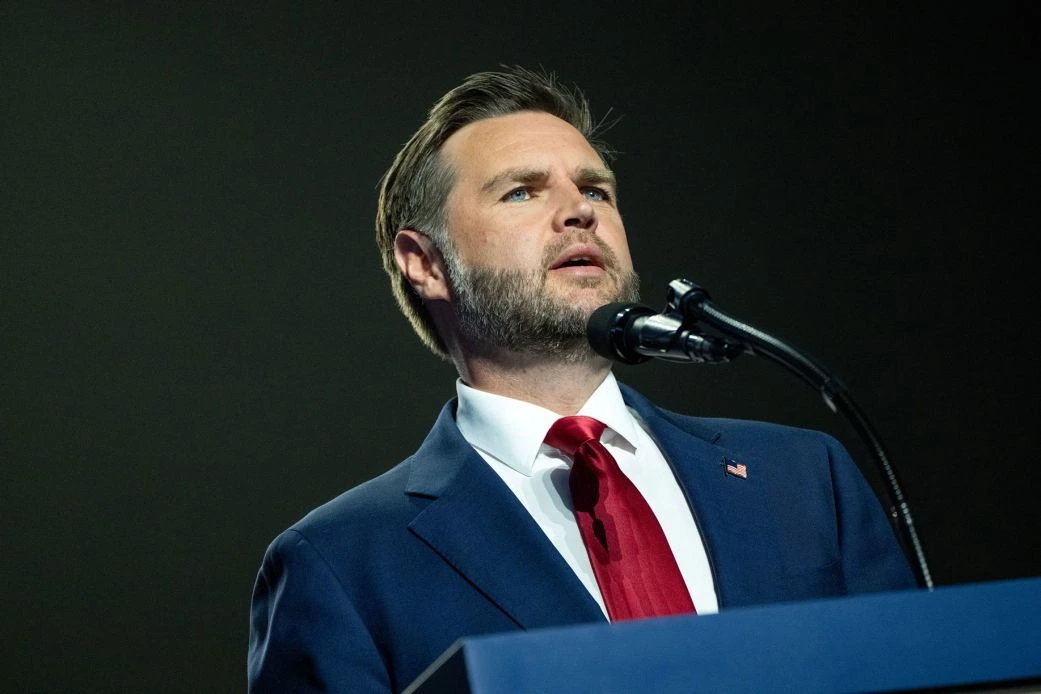
The American vice president highlighted the consequences that this program would have on the working conditions of Americans.
JD Vance, on the other hand, has focused on the consequences for citizens and the risk that companies use immigration as a mechanism to obtain cheaper labor. The debate also has electoral implications: in Kansas, Republicans recently lost a Senate seat and the governorship, in a context of growing Latino voter turnout in several counties linked to the meat and agricultural industries.
Stitt also proposed charging employers about $2,500 for each foreign worker hired and allocating that money to reduce the national debt. However, with U.S. debt nearing $40 trillion, that contribution would be insufficient to solve the problem: approximately 16 million workers would need to pay that amount, not counting the additional costs associated with public services.