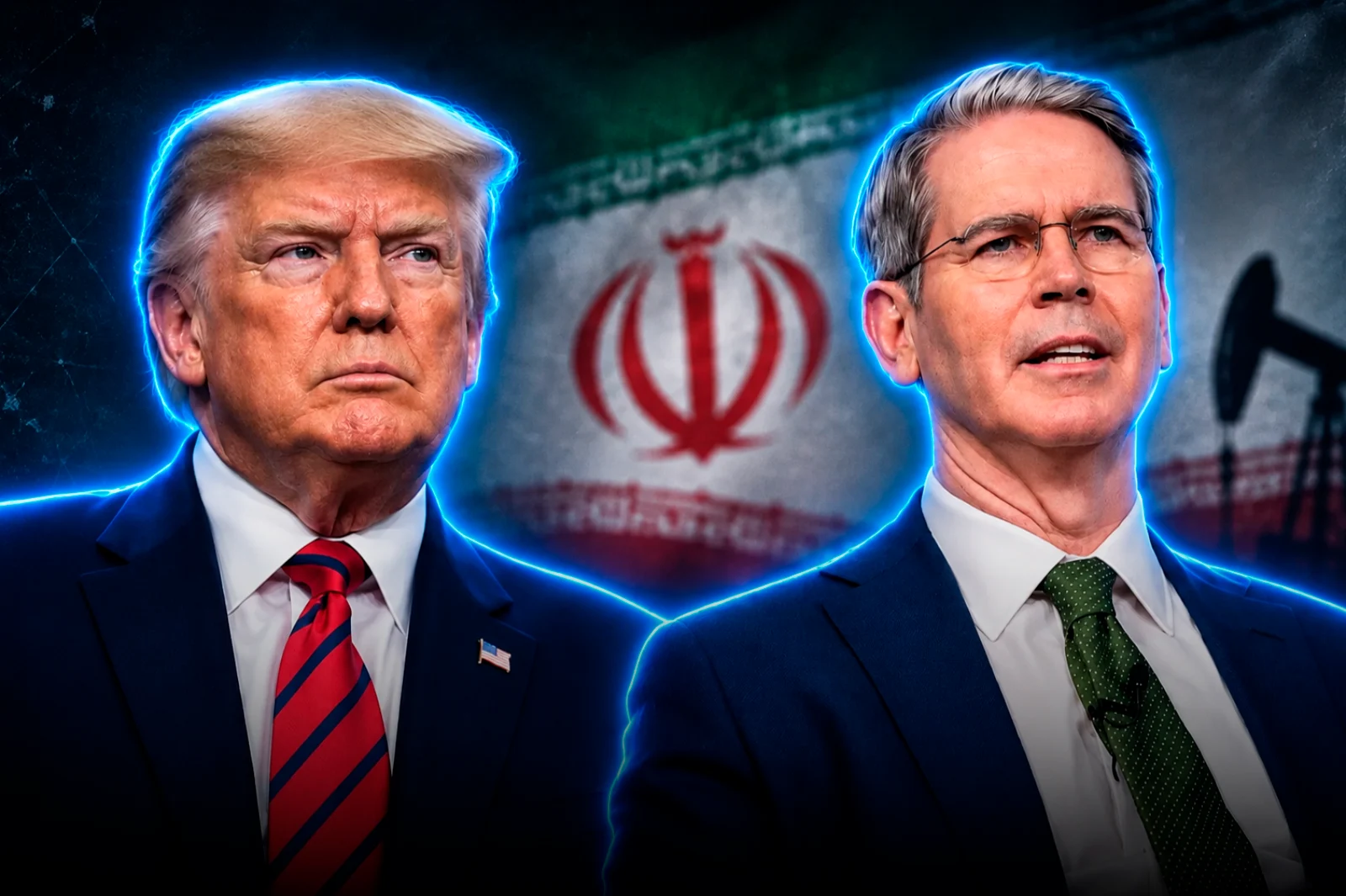
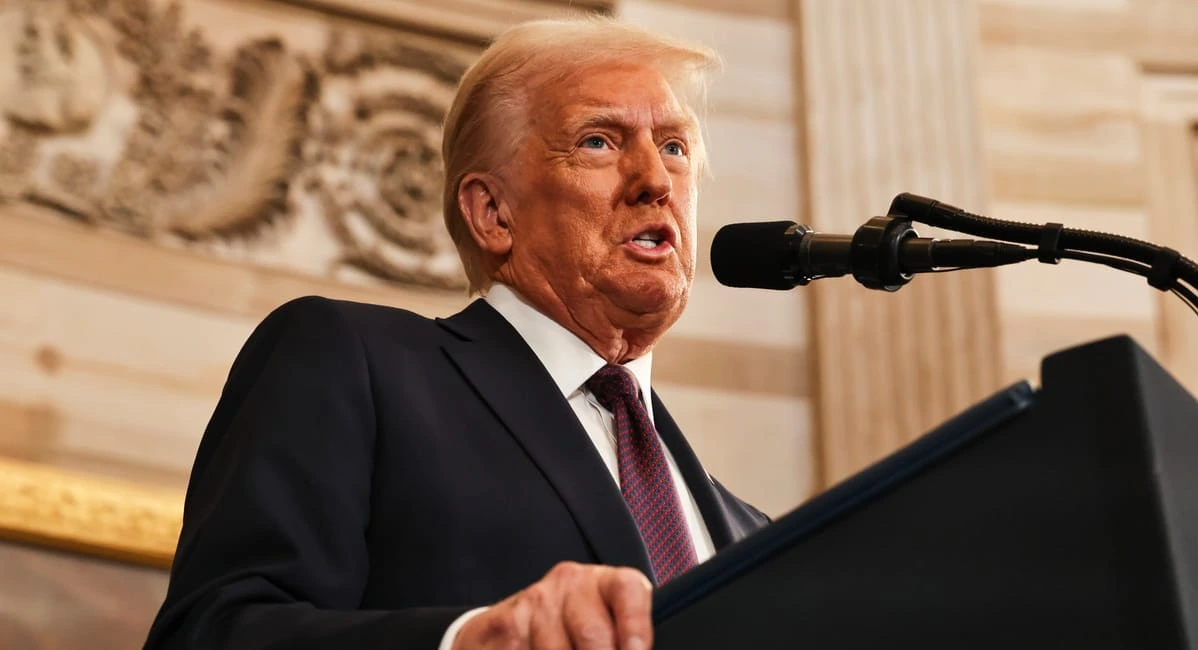
The government of Donald Trump intensified its economic pressure campaign against the Iranian regime by announcing a broad package of sanctions against more than two dozen exchange houses, shell companies, and financial operators accused of using an international clandestine banking network to mobilize billions of dollars and keep Tehran connected to global trade.
The measure was executed on Monday by the Office of Foreign Assets Control (OFAC) of the Department of the Treasury and targets a financial structure operating between Iran, Dubai, Hong Kong, and Turkey. According to U.S. authorities, this network allows the regime to evade international restrictions, trade oil and petrochemical products, and complete transactions using currencies like the Russian ruble and the Chinese yuan, thus avoiding dependence on the dollar-based financial system.
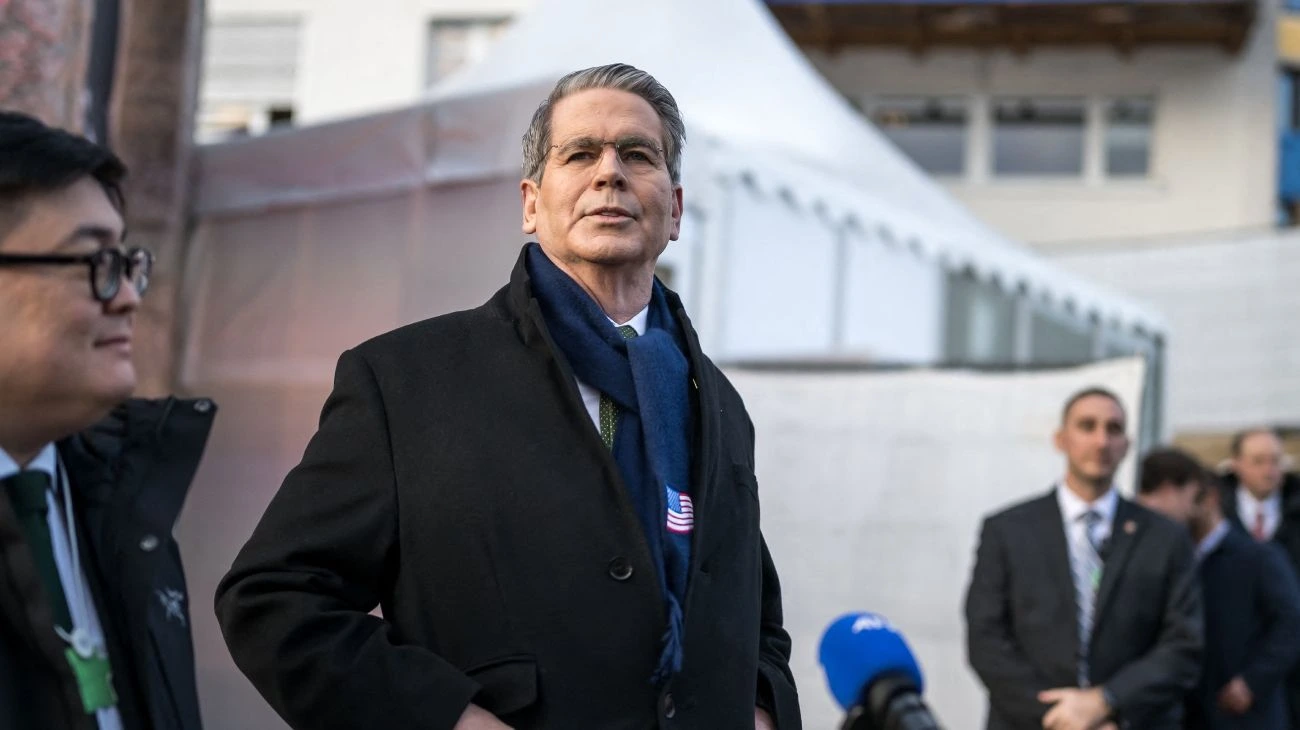
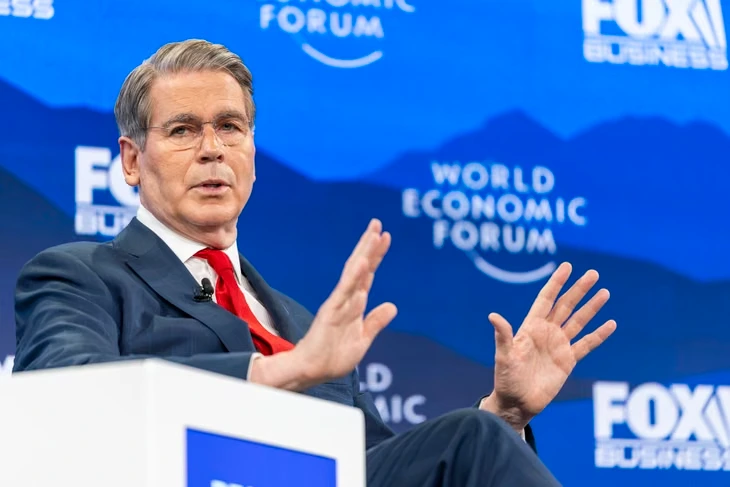
The Treasury Secretary, Scott Bessent, defended the offensive and stated that the Iranian economy is in a critical situation. "Iran's economy is underwater and its leaders are panicking," he said in a statement. He also described the clandestine banking system as the last financial lifeline of a bankrupt regime and assured that Washington will continue dismantling these structures until its main sources of funding are eliminated.
The US Secretary of the Treasury said that the economy of the Tehran regime is going through a critical situation
The new designations represent another step in the "Economic Marginalization Operation," a campaign of maximum financial pressure launched by Bessent on August 24. Its goal is to cut the remaining revenues of the Iranian regime and increase the risks of secondary sanctions for banks, intermediaries, and foreign entities that continue to facilitate business with Tehran.
According to the Department of the Treasury, the parallel banking system is overseen by the Central Bank of Iran and operates through national exchange houses linked to financial companies known as "rahbar." These companies manage networks of sanctions evasion that use thousands of shell companies abroad to conceal the origin and destination of funds.
U.S. authorities noted that the reduction in oil revenues and the impact of existing sanctions have weakened Iran's economic capacity. Furthermore, they reported that some facilitators of these operations have begun to withhold export revenues that should return to the country while benefiting from state resources.
The scale of these operations was reflected in a report from the Financial Crimes Enforcement Network (FinCEN), which identified approximately $14.7 billion in financial activity potentially linked to Iranian clandestine banking between January 2025 and August 2026.
The Trump administration accused the shadow banking system of being supervised by the Iranian Central Bank, which helps the regime to evade sanctions.
Among the main targets of the new package is the "Iran Currency and Gold Exchange Center," an entity based in Iran that connects exporters with foreign currencies to importers needing to acquire products abroad. According to the Treasury, this institution participates in trade operations worth tens of billions of dollars annually. It also uses bonds to facilitate international transactions in Russian rubles and Chinese yuan, with less dependence on the U.S. dollar.
Washington also sanctioned Rahbar Bazargani Nesim Baharan Qeshm Company, linked to Iran's Sarmayeh Bank, and three of its main officials: Sayyed Mohammad Jalali, Valiollah Hemmati, and Ali Kalhor. All three were identified for facilitating transactions on behalf of major Iranian oil companies.
Also included were "Mina Fashki and Partners Exchange Company" and "Mellat Exchange Company," two Iranian currency operators, along with five of their owners and officials.
Iran's terrorist regime uses transactions based on Russian rubles and Chinese yuan to reduce dependence on the US dollar
The offensive extended to ten shell companies operating in the United Arab Emirates, Turkey, and Hong Kong. Among them is "Recaz Star General Trading LLC," based in Dubai, which Washington attributed over $170 million in payments related to "Sadaf Exchange." Another company highlighted was "OGA Global General Trading LLC," accused of managing operations for the state-owned "National Iranian Tanker Company."
The list also includes "Grandez Trading Limited," registered in Hong Kong; "Bogazici Gumrukleme," from Turkey, and several trading firms from Dubai. Among these is "Gespl International General Trading LLC," which is said to have been used by the "National Iranian Oil Company" to launder oil and petrochemical revenues, and "Robust Trading LLC," linked to payments for the sanctioned "National Iranian Copper Industries Company."
The Treasury also invoked legal powers against terrorism to sanction "H N B Trading Co LLC," based in Dubai. According to Washington, the company received hundreds of thousands of dollars from a shell company linked to the Iranian Armed Forces General Staff to contribute to the rental of a vessel, in an operation related to the sanctioned shipping company "Dragon Road Ltd."
The Treasury Department announced that those who report violations of sanctions against Iran could be entitled to significant rewards.
The consequences of the designations are immediate for the affected individuals and entities. All their assets and property interests under U.S. jurisdiction are blocked, as are those of the companies in which they own, directly or indirectly, at least 50% of the shares. Additionally, U.S. citizens are prohibited from conducting transactions with them.
Washington also issued a warning to foreign financial institutions: those that deliberately facilitate significant operations for the sanctioned networks could lose access to correspondent accounts in the United States, a crucial tool for operating within the international financial system.
Finally, the Department of the Treasury reminded that whistleblowers who provide information about sanctions violations resulting in fines over one million dollars may qualify for federal rewards.