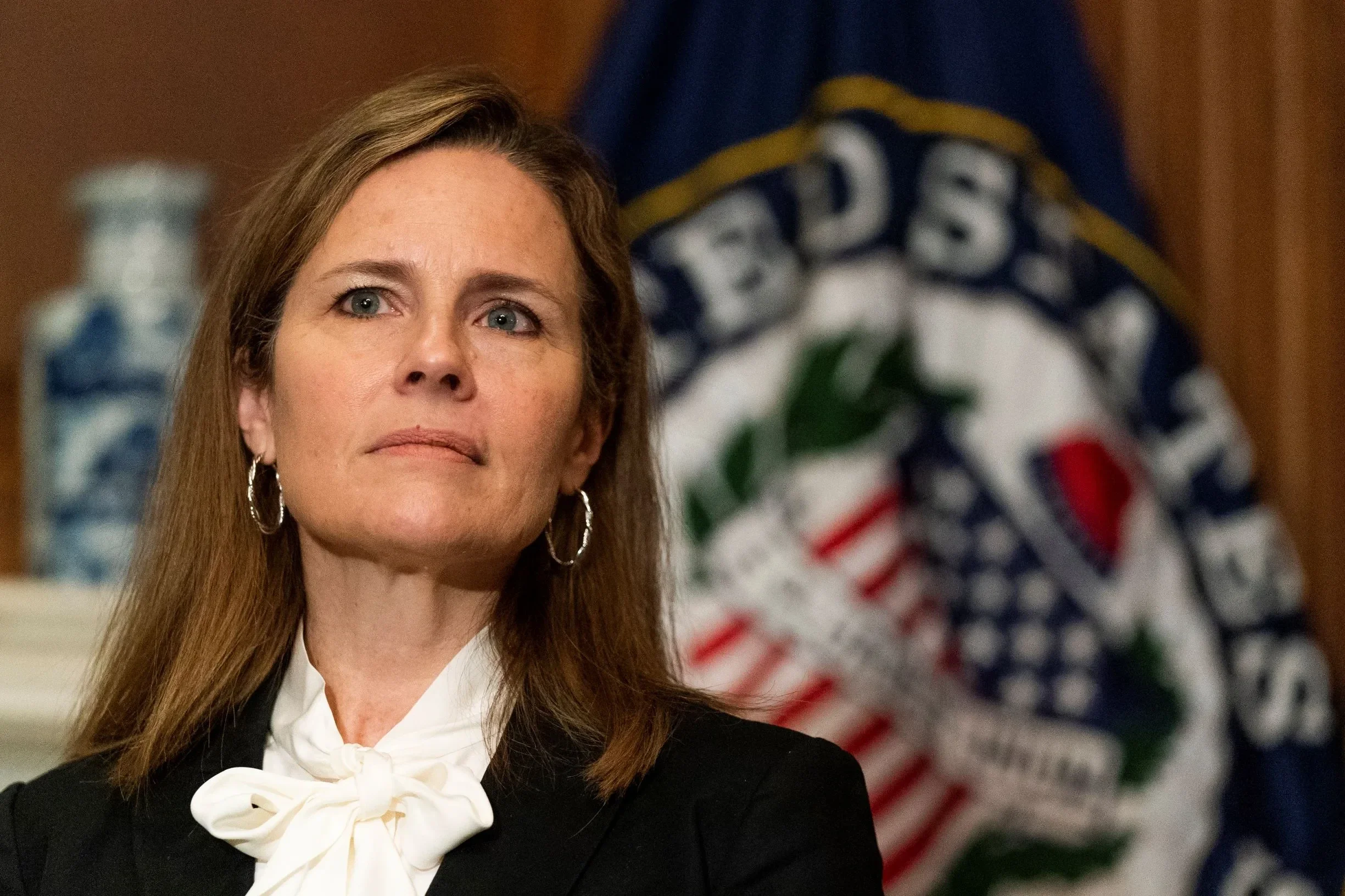
U.S. Supreme Court Justice Amy Coney Barrett was the victim of a possible ''swatting'' incident on Wednesday night, after Fairfax County police in Virginia responded to a false emergency call alerting about gunshots at her residence.
The episode became the latest security incident involving conservative members of the U.S. Supreme Court and highlighted the climate of polarization and political threats that the country is experiencing.
The Fairfax Police Department confirmed on Thursday that officers arrived at Barrett's home around 9:02 p.m. after receiving a call through the department's non-emergency line. According to authorities, the report warned of possible gunshots and suspicious noises at the judge's home.
Officers quickly coordinated with the security team assigned to the judge by the Supreme Court Police and, after verifying the situation, determined that the report was false.
The Fairfax, Virginia police responded to the home of Judge Amy Coney Barrett due to a false "swatting" report.
''The officers immediately coordinated with the Supreme Court security personnel assigned to the residence and quickly determined that the report was fictitious. No additional police resources were used,'' the department stated in an official release.
Part of the audio from police communications later circulated on the social network X. In the recording, officers mention a call about ''sounds of gunshots'' at the home of a ''high-priority resident'' who has 24-hour permanent security.
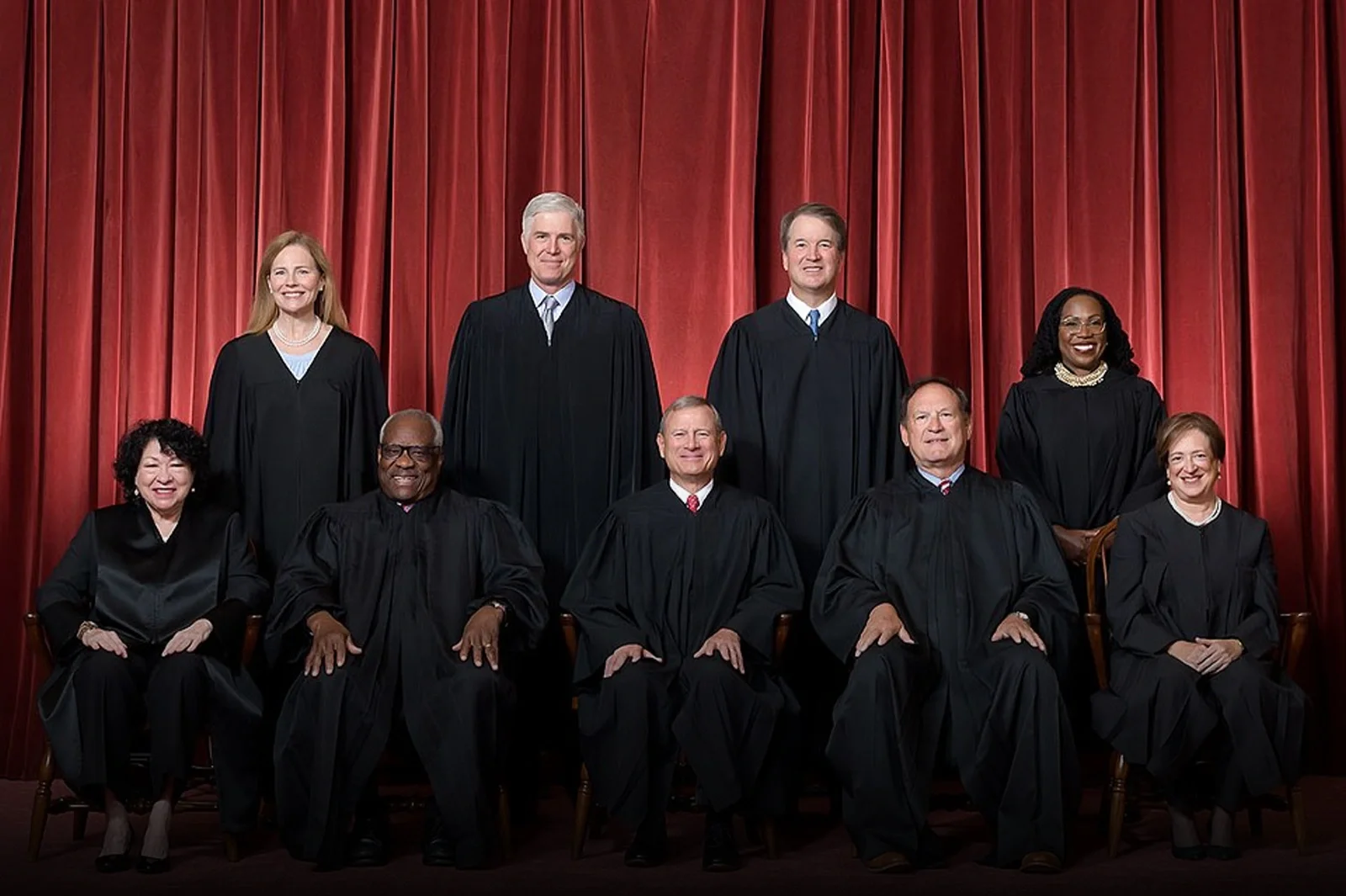
Despite the incident, Barrett participated normally on Thursday in the activities of the Supreme Court. The judge was present with the other justices during the morning session and publicly read summaries of two opinions she authored, without commenting on what happened at her home.
The episode occurs in a context of persistent threats against Supreme Court justices, particularly since the leak in 2022 of the draft opinion in Dobbs v. Jackson Women’s Health Organization, a decision that subsequently overturned the federal precedent Roe v. Wade and eliminated the harmful constitutional protection of the right to abortion in the United States.
Following the leak of the document, several conservative justices, including Barrett and Brett Kavanaugh, became targets of organized protests outside their homes by groups advocating for the right to abortion. The situation forced increased security measures around the justices and generated concern within the Judiciary and the federal government.
Despite the incidents recorded at her home, the magistrate carried out her daily activities normally.
One of the most serious cases occurred in June 2022, when Nicholas John Roske, a man from California, was arrested near Kavanaugh's home while carrying a firearm, a knife, and pepper spray. Authorities then stated that Roske had made violent threats against the judge and planned to kill him. He was later sentenced to eight years in prison.
The incident at Barrett's home also prompted immediate political reactions. Republican Senator from Utah Mike Lee described ''swatting'' as ''an attempt to get an innocent person killed'' and called for severe penalties for those who engage in such actions.
Threats against conservative figures and political leaders in the United States have increased in recent years, paralleling the rise in political polarization and the radicalization of public discourse. President Donald Trump was the target of two public assassination attempts during the 2024 presidential campaign, including an attack in Butler, Pennsylvania, where a bullet grazed his ear during a political event.
Additionally, weeks ago, a California Army veteran known for displaying American flags and items linked to the ''Make America Great Again'' movement in front of his home died after being brutally beaten, in a case that reignited the debate about political violence from the left in the United States.
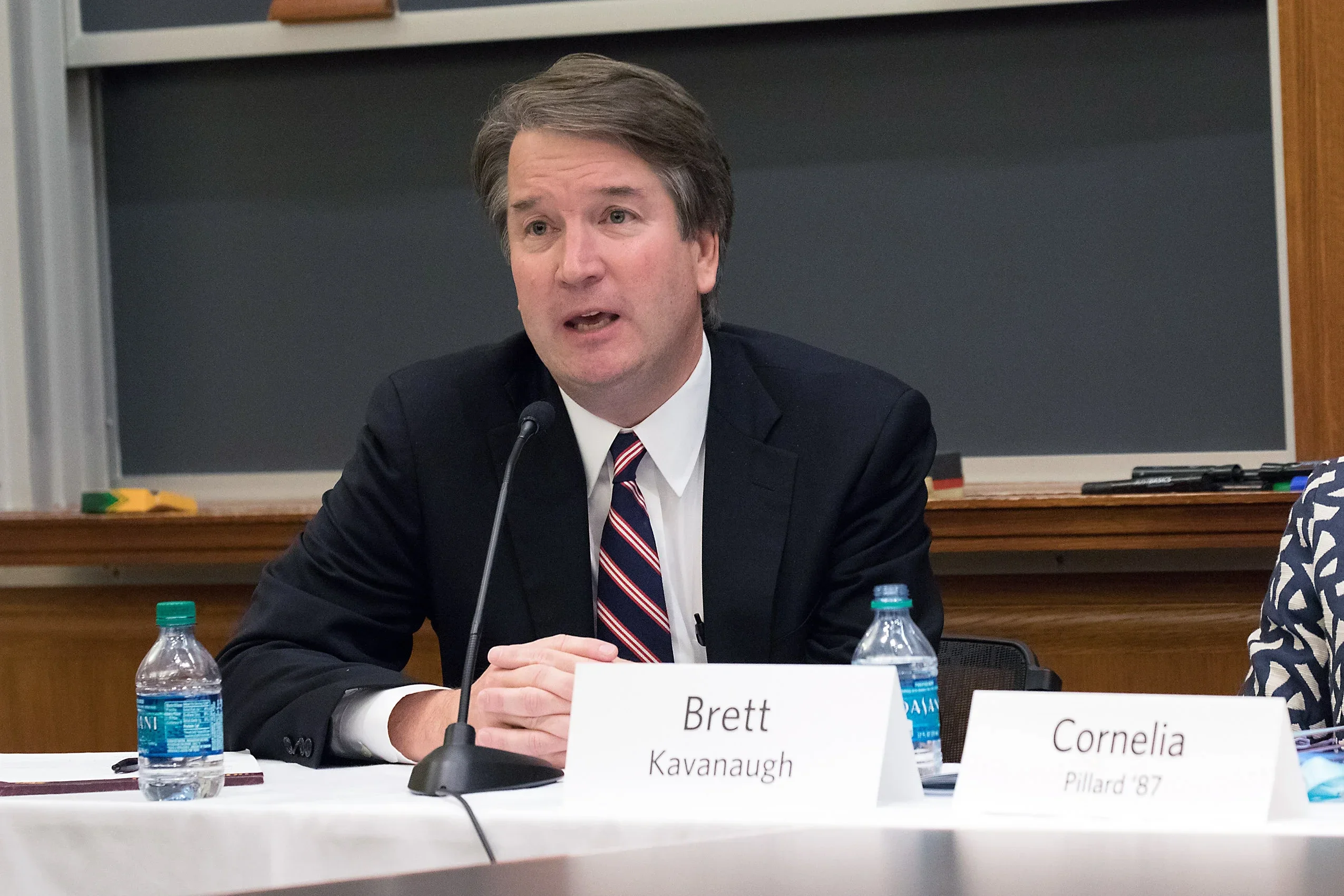
Along with Amy Coney Barrett, Judge Brett Kavanaugh has also suffered multiple incidents of political violence from the left.
What is ''Swatting''?
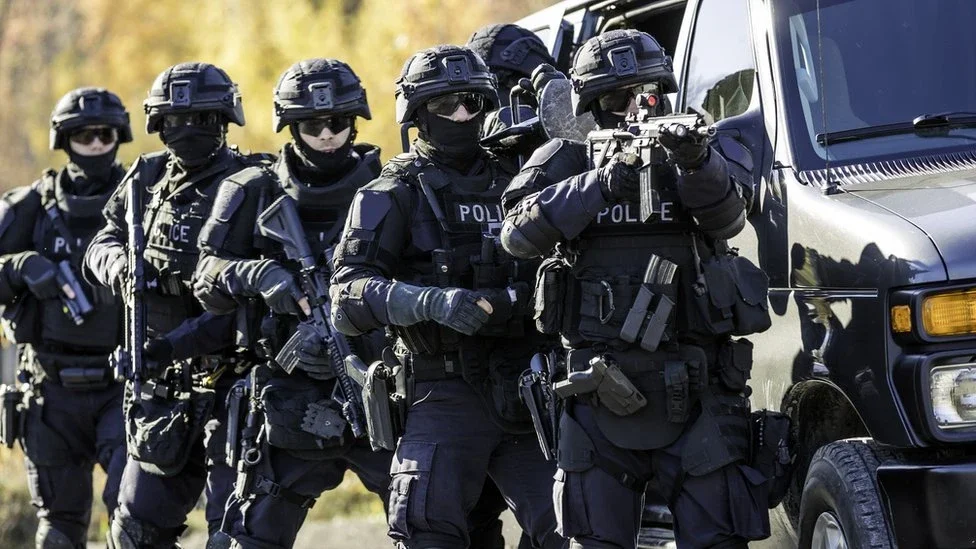
The term ''swatting'' comes from the SWAT tactical unit used by many U.S. police forces to respond to high-risk situations. The practice involves making a false report to emergency services with the aim of provoking a massive police intervention at a person's home.
The calls often include serious accusations, such as murders, hostage situations, bomb threats, or active shootings, situations that require the rapid mobilization of armed officers and tactical teams.
Although initially this type of action emerged as an extreme form of online harassment and in gaming communities, ''swatting'' later expanded to journalists, public officials, judges, politicians, and celebrities.
U.S. authorities consider ''swatting'' an extremely dangerous crime because it can end in tragedy. In several cases recorded in recent years, innocent victims were injured or killed when police responded believing they were facing real situations of extreme violence.
So far, authorities have not reported any arrests related to the false call directed against Barrett, while the investigation continues to identify the responsible party.
"Swatting" involves making false calls to emergency services reporting incidents such as murders, hostage situations, or shootings.