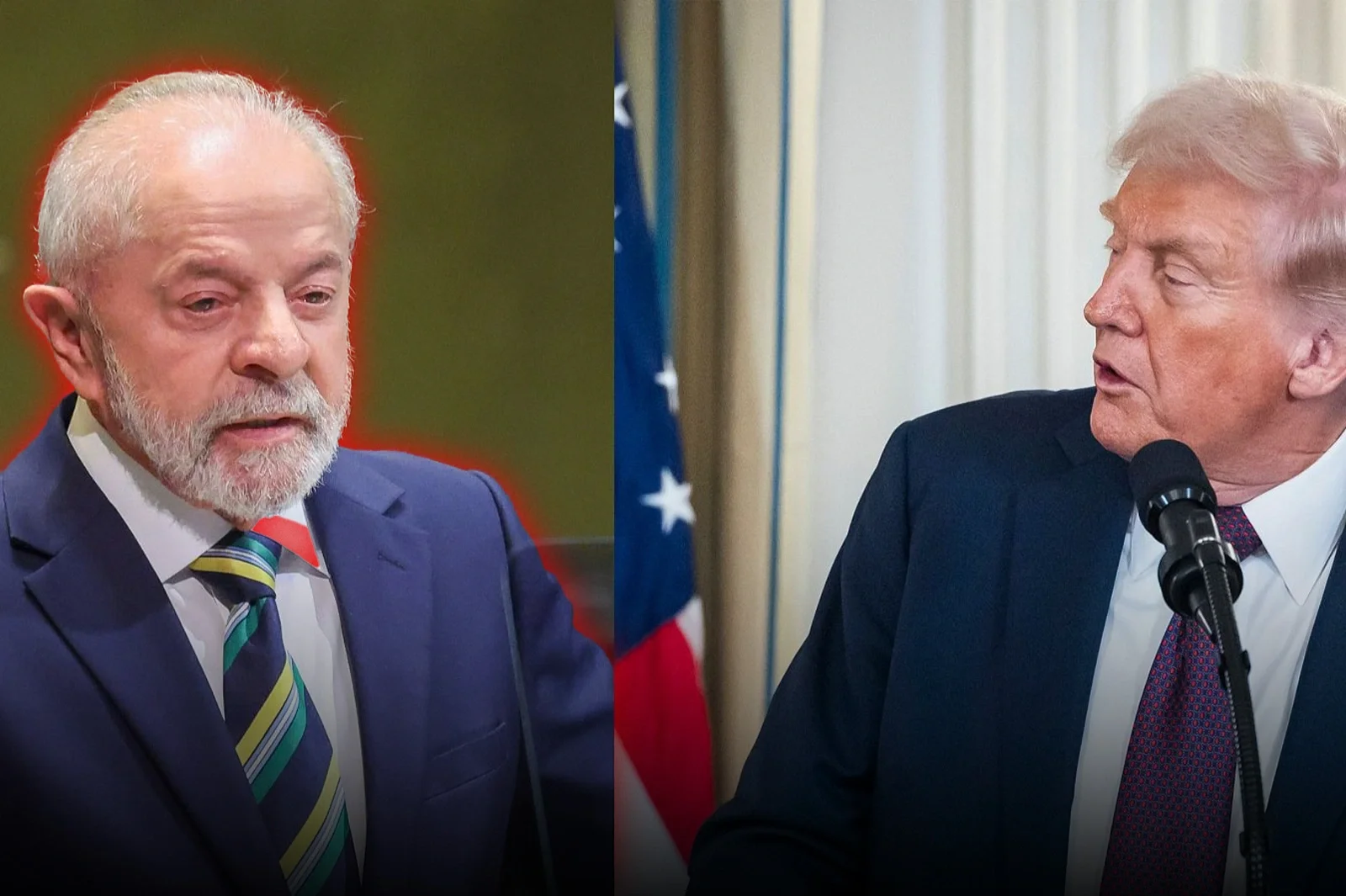
The two largest criminal organizations in Brazil were included by the United States on the list of terrorist groups after years of drug trafficking expansion and violence in the region.
Nuevo
Agregar La Derecha Diario en
Compartir:
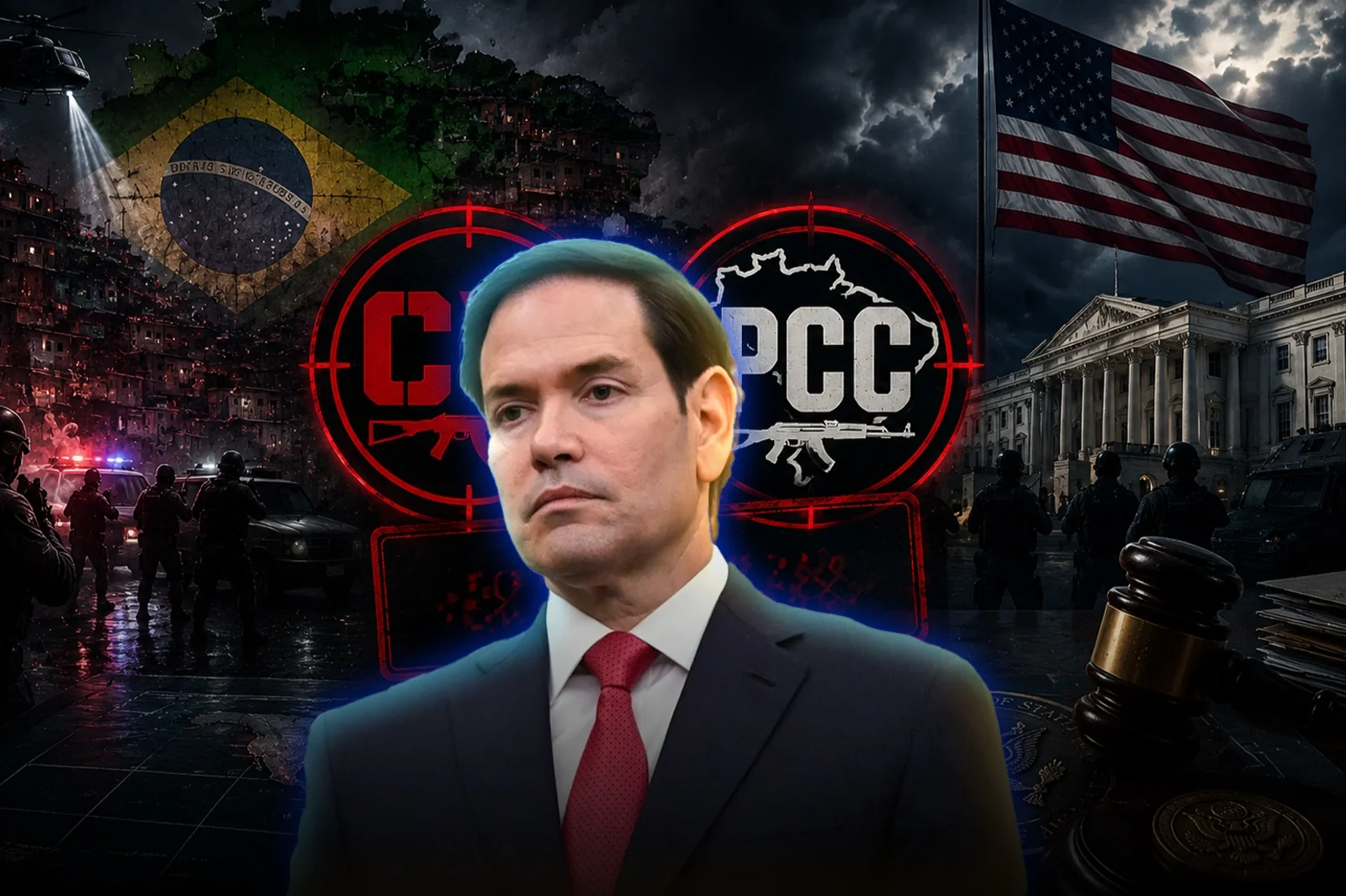
The United States Government announced this Thursday the designation of the Primeiro Comando da Capital (PCC) and the Comando Vermelho (CV) as Specially Designated Global Terrorist Organizations (SDGT), one of the most forceful measures taken by Washington against South American criminal groups in recent years.
The decision was communicated by Secretary of State Marco Rubio, who also confirmed the intention to formally add both structures to the list of Foreign Terrorist Organizations (FTO), a measure that will take effect on June 5. According to the State Department, the two groups pose a threat to regional security due to their activities related to drug trafficking, money laundering, smuggling, and organized violence.
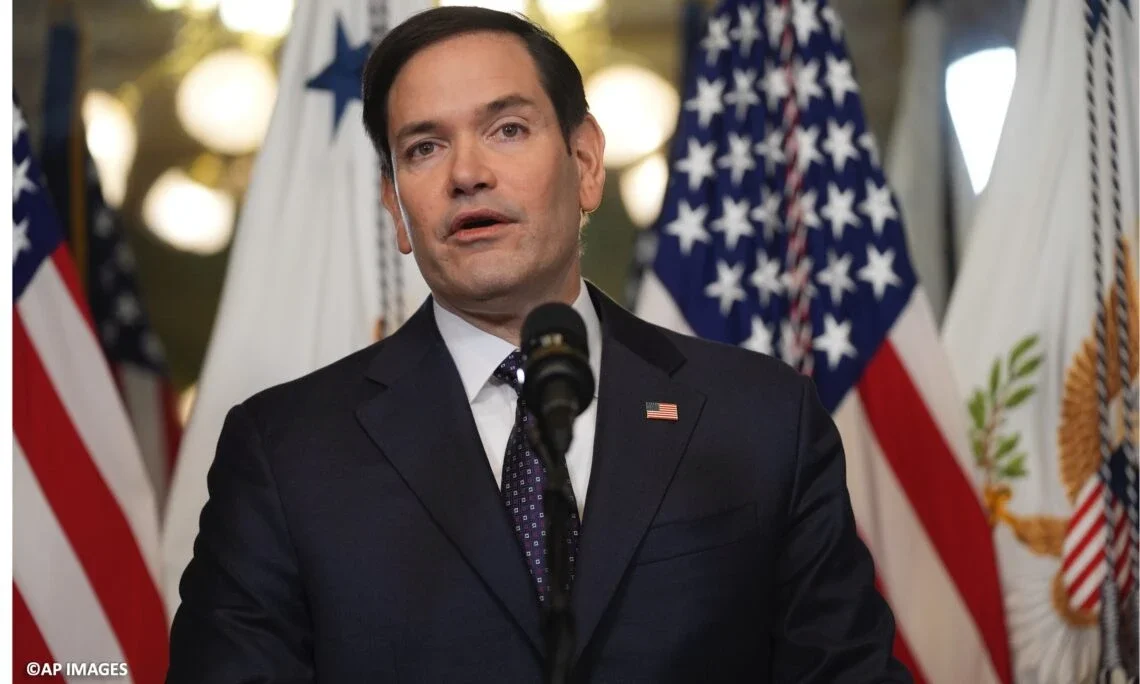
Marco Rubio, Secretary of State of the United States.
In the official statement, Washington noted that the PCC and the Comando Vermelho control thousands of members and have been responsible for attacks against police, public officials, and civilians. It also warned that their criminal networks extend beyond Brazilian borders and reach various countries in the Americas, in addition to having an impact within the U.S. territory itself.
The administration of Donald Trump stated that it will continue to use all available tools to combat narcoterrorist groups and cut off their sources of funding. For the White House, the measure is part of a broader strategy aimed at weakening transnational criminal organizations operating on the continent that benefit from drug, arms, and human trafficking.
The Origin of the Comando Vermelho
The Comando Vermelho is considered the most powerful criminal organization in Brazil and one of the most violent in Latin America. Its origins date back to the late 1970s, within the Cândido Mendes Penal Institute, in the Ilha Grande prison, where common criminals shared pavilions with militants and far-left terrorists imprisoned during the Brazilian military dictatorship.
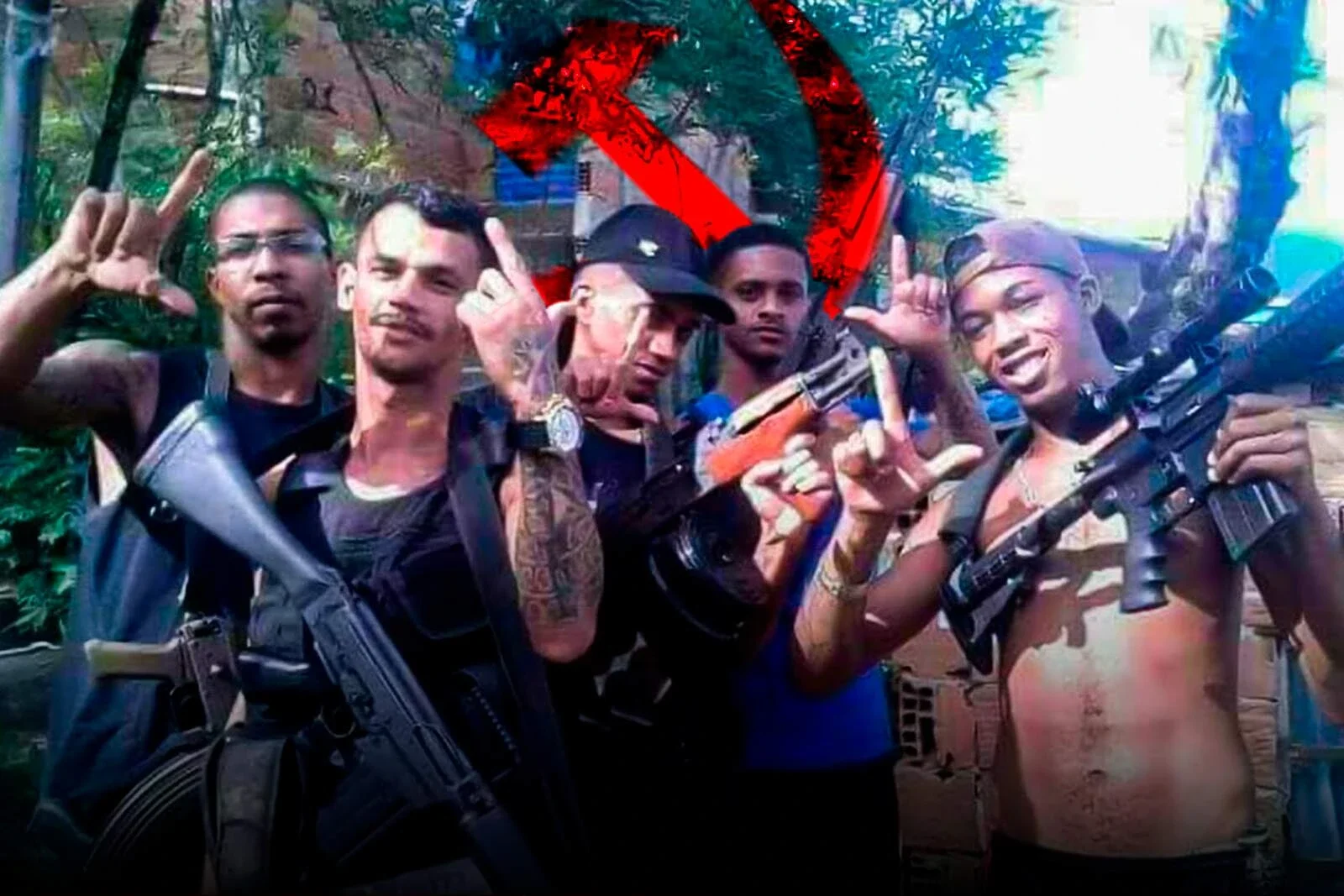
The origin of the Comando Vermelho.
The coexistence between both groups allowed for the transfer of organizational methods, internal discipline, and command structures that were later exploited by criminals to expand their operations. From that combination emerged initially the so-called Falange Vermelha, which would later evolve into the current Comando Vermelho.
During the following decades, the organization consolidated its presence in Rio de Janeiro and expanded its activities into drug trafficking, extortion, kidnapping, and contract killing. Over time, the group transformed into one of the main actors in Brazilian organized crime and became a protagonist in bloody territorial disputes with other rival factions, especially with the PCC.
The Request from Flávio Bolsonaro
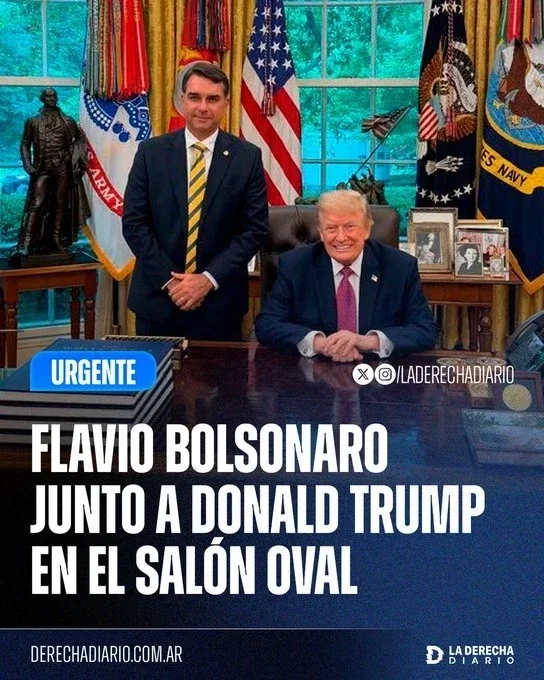
The decision from Washington came just days after Brazilian senator and presidential candidate Flávio Bolsonaro publicly revealed that he had requested Donald Trump to move forward with the terrorist designation against both criminal organizations during a meeting held at the White House.
"I strongly urged President Trump to designate the PCC and the Comando Vermelho as foreign terrorist organizations as soon as possible," Bolsonaro stated after the meeting. The leader maintained that both factions operate as true narcoterrorist structures and that Brazil needs a more forceful international response to confront them.
Flavio Bolsonaro recently met with Donald Trump.
Bolsonaro also took the opportunity to differentiate himself from leftist president Luiz Inácio Lula da Silva, who had expressed opposition to applying the terrorism label to Brazilian criminal organizations due to its legal and sovereignty implications. "While Lula was begging Trump not to declare them terrorists, I did exactly the opposite," asserted the conservative candidate.
The temporal coincidence between Bolsonaro's request and the State Department's announcement was interpreted by sectors of the Brazilian right as a sign of the alignment that exists between the Trump administration and conservative leaders in Brazil.