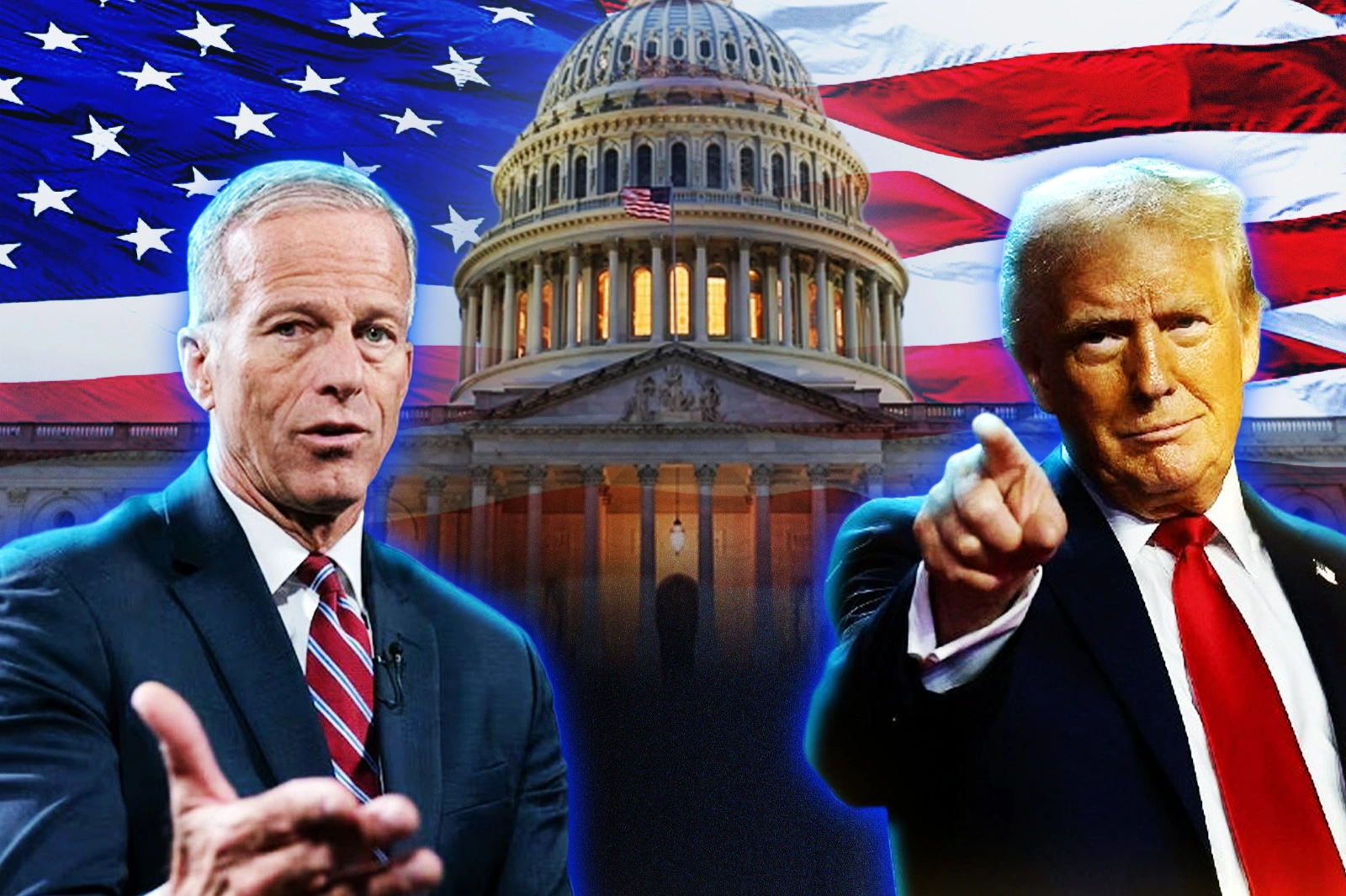
President Trump has strongly supported this approach and has set June 1 as the deadline for Congress to pass comprehensive legislation that guarantees sustained funding for border security. His administration seeks to secure resources for several years, which would make it possible to structurally reinforce migratory operations and avoid future budgetary crises
The measure, approved by voice vote, will be sent to the House of Representatives, where it is expected to be considered once legislators return to Washington on April 13. This progress comes in the midst of intense negotiations and reflects a two-phase republican strategy to resolve the budgetary stalemate
.
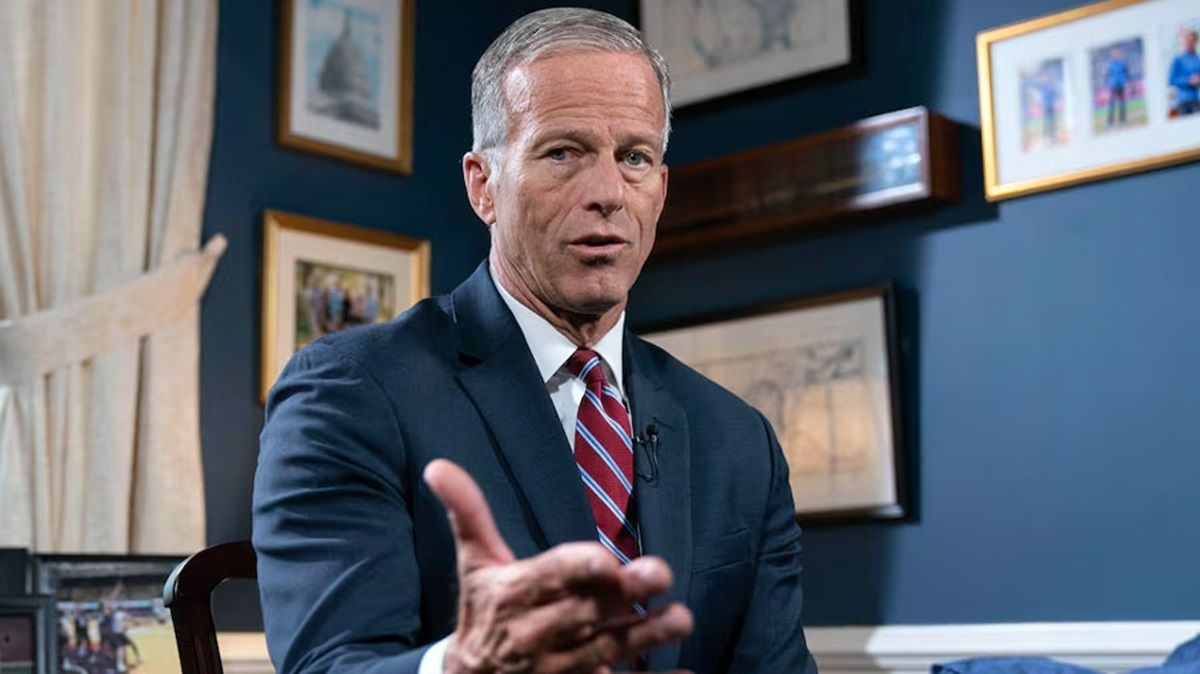
Senate Majority Leader John Thune promoted the bill as a pragmatic solution to reactivate DHS funding while the most complex dispute over immigration is postponed. Under this approach, Congress will first secure the department's essential resources and will then address the full funding of agencies such as ICE and the Border Patrol through the budget reconciliation process
. The leader of the Republican Party in the Senate promoted the bill to resolve funding from the Department of Homeland Security
The approved project covers extensive DHS functions, including approximately $11 billion earmarked for customs operations. However, it excludes key funding for ICE and significantly limits resources for border security, which has generated some criticism from both Democrats and some Republicans. Despite this, the White House views this measure as a necessary tactical step within a broader strategy
.
The Democratic Party, led in the Senate by Chuck Schumer, has welcomed the exclusion of ICE and the Border Patrol from the current agreement. Democrats argue that they will not support measures that, in their opinion, provide unconditional funding to the government's immigration policies. However, Republicans argue that this stance has directly contributed to the prolonged shutdown and has affected both national security and federal workers
. The president of the lower house, as well as President Trump, have stressed the importance of allocating the corresponding money to finance immigration security in the future.
In the House of Representatives, President Mike Johnson initially expressed his rejection of the Senate bill, calling it insufficient because it did not include immediate funding for immigration enforcement agencies. However, after a direct intervention by Trump, the Republican leadership has begun to align itself with the two-phase strategy, although internal divisions persist
within the party.
The Republican plan contemplates using the budget reconciliation process to approve, with a simple majority, a package that includes full funding for ICE and the Border Patrol. This mechanism, which avoids the legislative blockade of the opposition, was already successfully used in 2025 to approve an important economic package promoted by the Trump administration.