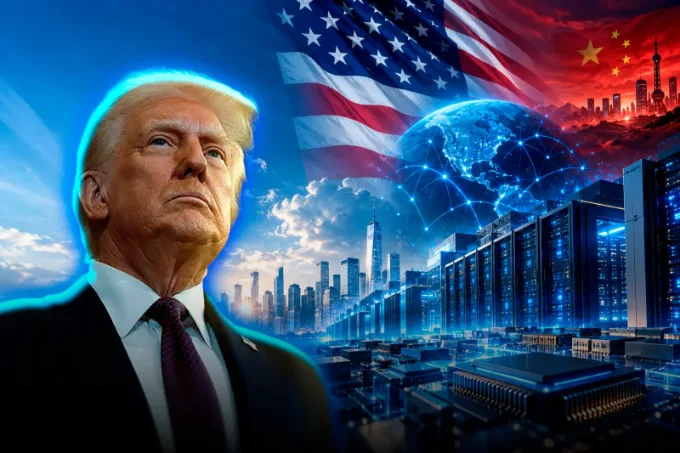

The President of the United States, Donald Trump, rejected the possibility of integrating or sharing U.S. advancements in artificial intelligence (AI) with China, considering that Washington maintains a significant advantage over Beijing in a technology that has become a central axis of strategic competition between the two powers.
''I would prefer not to integrate because we are leading by a lot,'' Trump declared on September 26 before reporters as he left the White House. The president estimated that the United States has an advantage of ''at least a year, and perhaps a year and a half'' over China in the race to develop this technology.
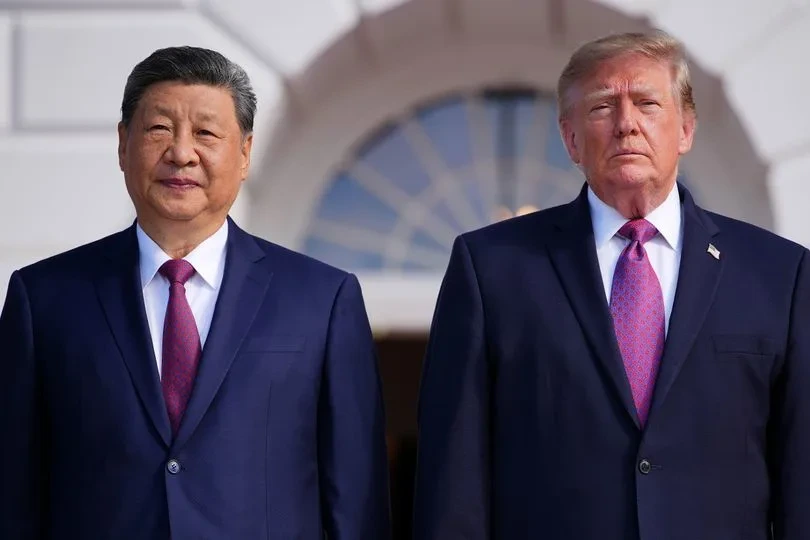
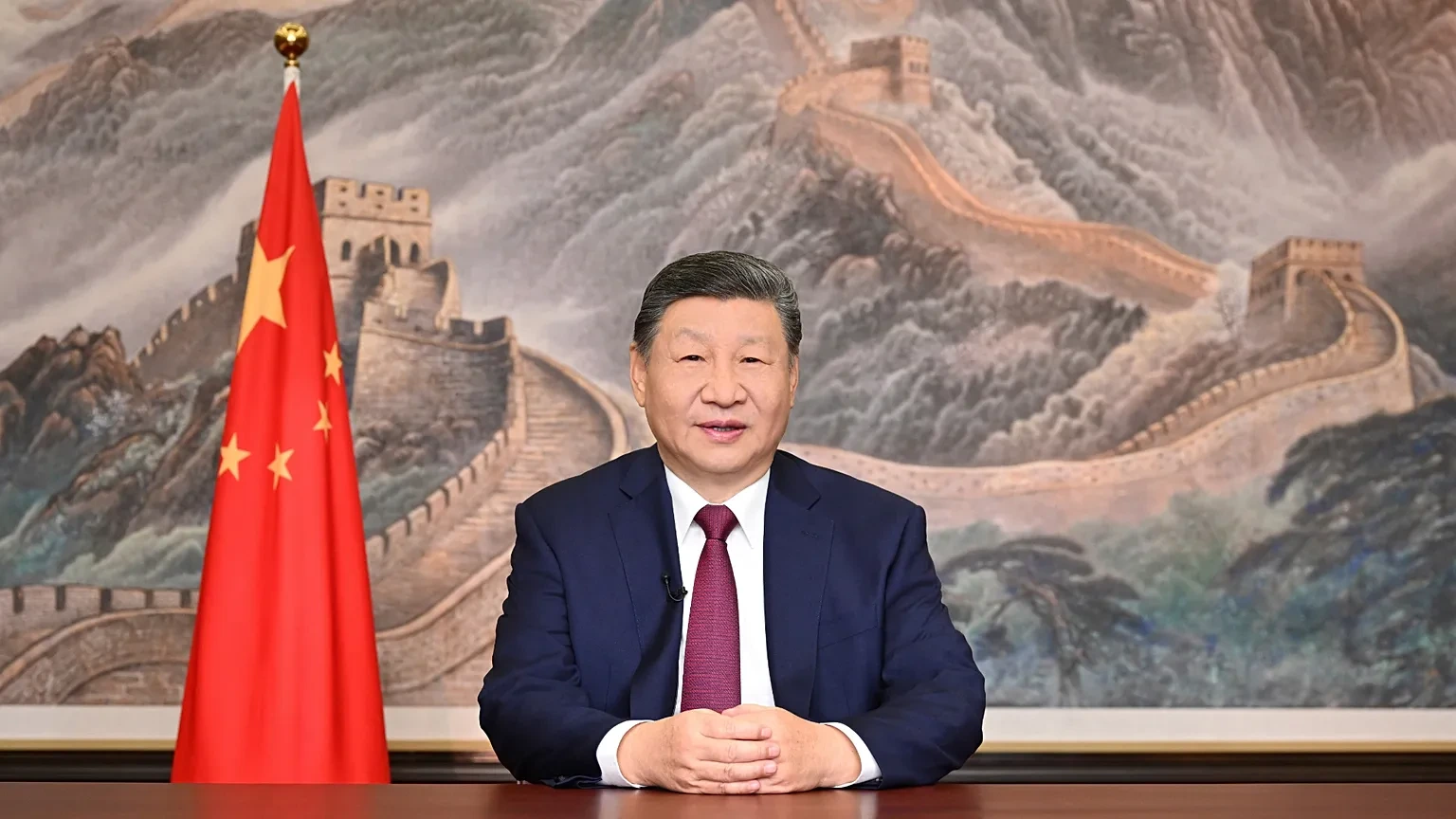
Trump explained that a country that is at the forefront has no incentives to fully open its advancements to the competitor. ''When you're leading, you don't open up to each other,'' he stated, while noting that during his recent meeting with the Chinese dictator, Xi Jinping, both spoke little about technological cooperation.
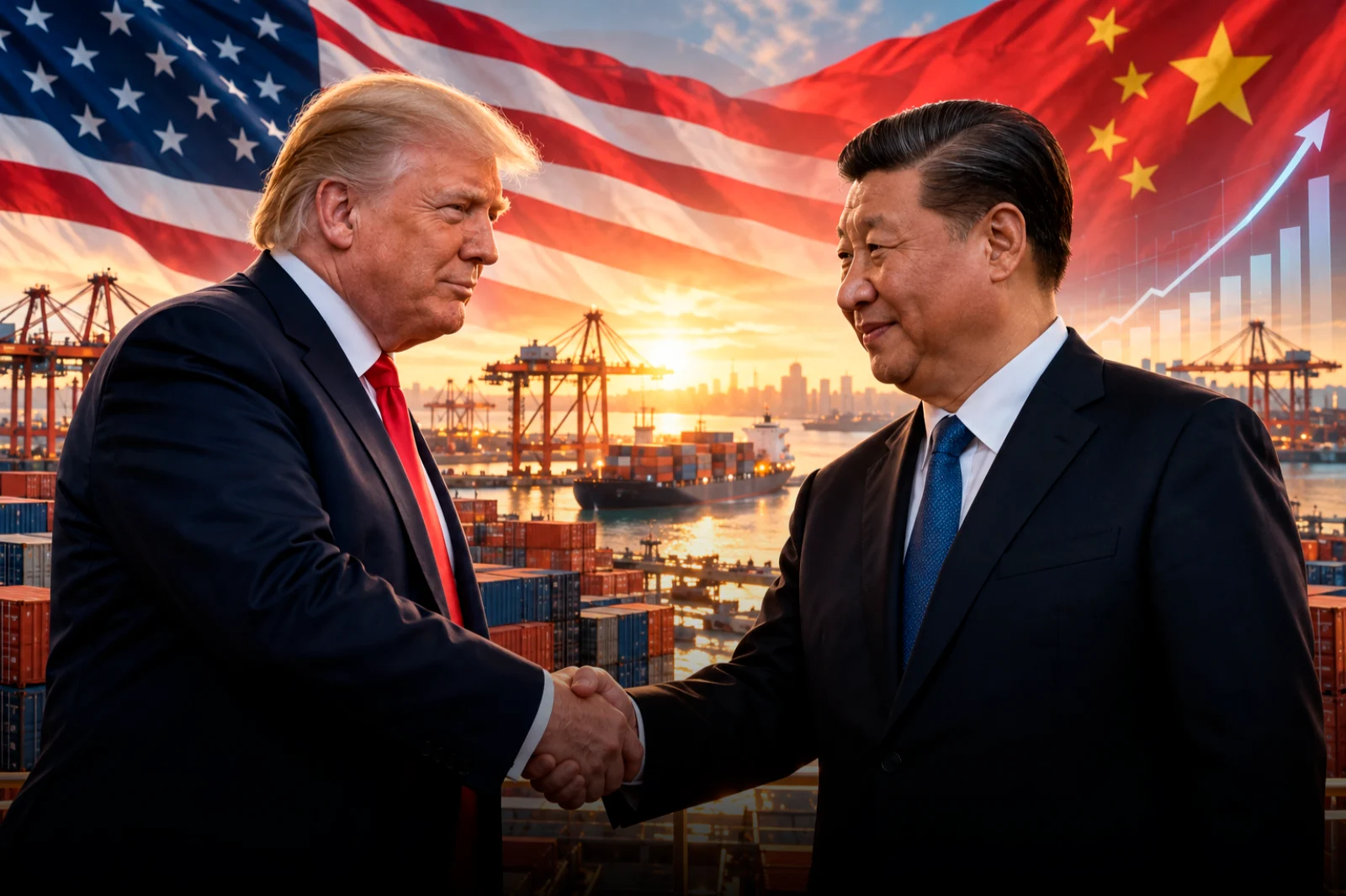
The statements came just days after Trump hosted Xi in Washington for a bilateral summit that addressed trade, technology, international security, and other matters of interest to both countries. The visit also included a state dinner at the White House, attended by prominent U.S. executives from the technology sector.
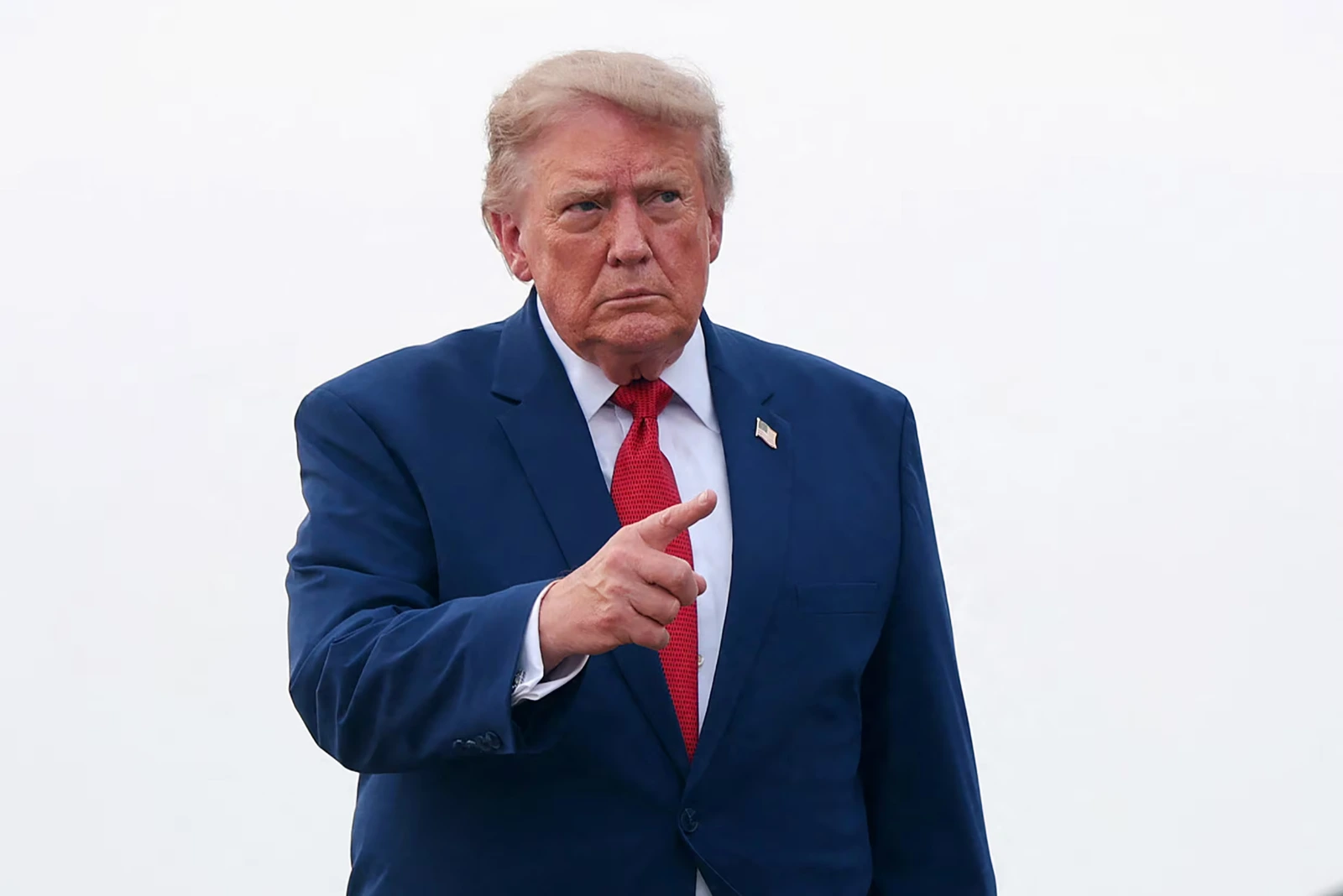
Although Trump ruled out broad technological integration, the two powers did agree to establish communication mechanisms related to the risks and benefits of so-called ''superintelligence.'' The White House reported that Washington and Beijing will create a bilateral dialogue on this technology and a communication channel to address potential incidents. The next exchange is scheduled for November 2026.
The agreement reflects a difference between sharing technological capabilities and establishing channels to prevent incidents. Trump maintains that the United States must preserve its advantage while advancing in the development of increasingly sophisticated systems, but the U.S. government also agreed to hold discussions with Beijing about the associated risks with these technologies.
During his statements last Saturday, Trump also questioned calls to halt the development of AI due to potential risks to humanity. The president labeled those warnings as ''a deception'' and argued that stopping U.S. progress would benefit Washington's competitors.