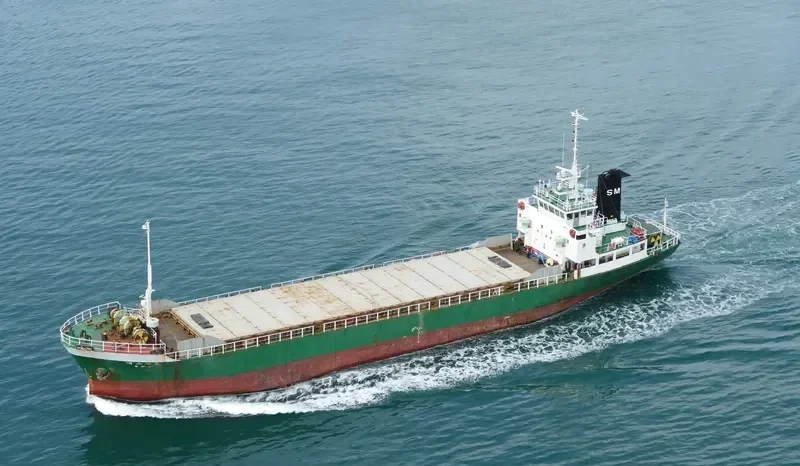
A cargo ship flying the flag of Gambia became immobilized in the Gulf of Oman after U.S. forces attacked its engine room with a Hellfire missile, in a new episode of maritime tension related to the restrictions imposed by Washington on trade with the terrorist regime of Iran.
The vessel, identified as M/V Lian Star, was sailing towards an Iranian port when it was intercepted by U.S. forces tasked with monitoring compliance with the naval blockade established in the region. According to U.S. Central Command (CENTCOM), the crew of the freighter ignored more than 20 warnings transmitted by radio before intervention was ordered.
According to the U.S. version, the attempts to communicate lasted several hours and aimed to persuade the captain to change course or stop navigation. However, after receiving no response, an aircraft deployed in the area fired a precision missile at the ship's engine room.
The United States armed forces disabled a cargo ship that was attempting to breach the blockade and trade with the Iranian regime.
The impact disabled the propulsion systems of the Lian Star and caused the vessel to lose its maneuverability. U.S. authorities indicated that the attack was designed to neutralize the ship without endangering the crew, and noted that no injuries were reported among the sailors.
CENTCOM maintained that the action was carried out in accordance with the current rules of engagement and after exhausting all available communication mechanisms. According to the military command, the measure aimed to prevent a possible violation of the maritime restrictions established around Iranian ports.
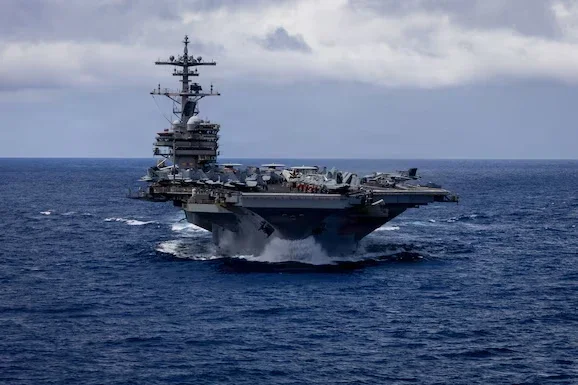
The incident is part of a surveillance and control campaign that the United States maintains in the waters near the Gulf of Oman and the Strait of Hormuz. Since the operation began, U.S. forces have increased monitoring of vessels deemed suspicious of engaging in commercial activities linked to the Iranian dictatorship.
Military sources indicated that the Lian Star is the fifth vessel immobilized since the implementation of these measures. Additionally, more than a hundred ships have reportedly been warned or redirected to avoid entering restricted areas.
CENTCOM assured that the military actions were carried out in accordance with the current rules of engagement.
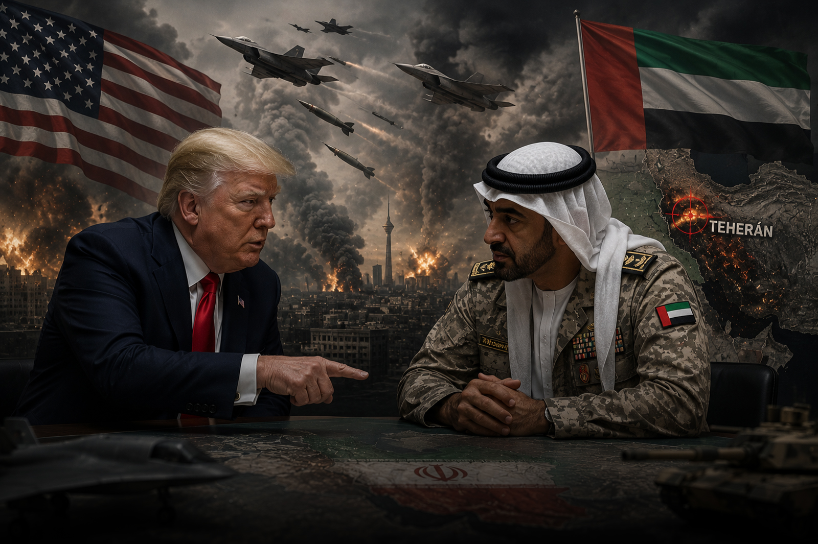
The operation is taking place in a particularly delicate context due to the existence of a ceasefire between Washington and Tehran. Although direct confrontations have decreased, both parties maintain intense military and surveillance activity in a region considered strategic for international trade.
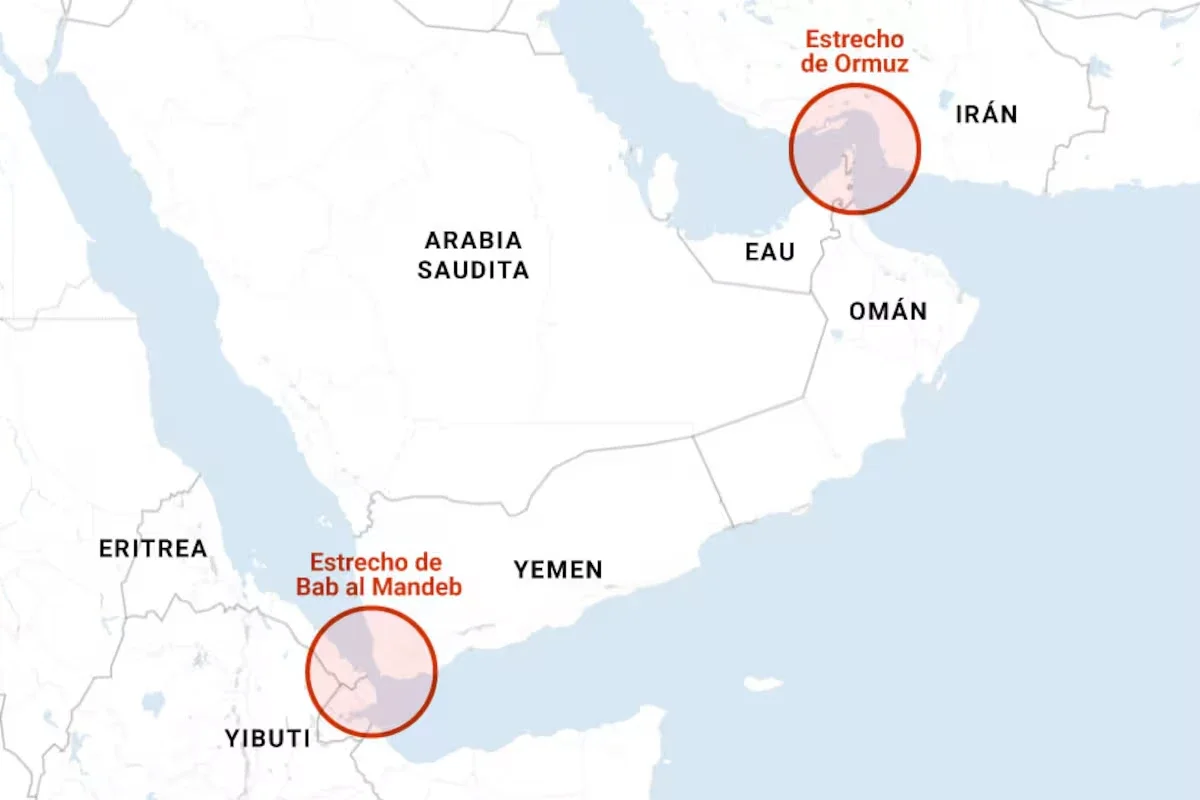
The scenario has become even more complex due to the situation in the Strait of Hormuz, one of the most important maritime corridors on the planet. Before the conflict, approximately one-fifth of the oil and gas traded globally passed through this route, which connects the Persian Gulf with the Indian Ocean.
Iranian authorities have recently strengthened their controls over the area and assert that they have full authority to regulate maritime traffic. Tehran announced new rules for commercial navigation and published maps delineating the areas under its operational jurisdiction.
The Strait of Hormuz holds critical importance for global maritime trade.
According to the Iranian government, merchant and oil vessels must respect specific navigation corridors and obtain authorizations for certain maneuvers. Authorities also stated that the measures aim to improve safety and protect the marine environment.
However, the United States and other international actors are concerned about any restrictions that could affect free movement through a route considered essential for global energy markets. Analysts warn that any significant disruption in transit through Hormuz could have immediate consequences on international oil prices and supply chains.
Tehran has warned that it will respond to any attempt of foreign military interference in the management of the strait and has indicated that it will consider legitimate targets those who challenge its provisions. These statements have increased concern about the possibility of new incidents in an area where naval forces from several powers operate simultaneously.
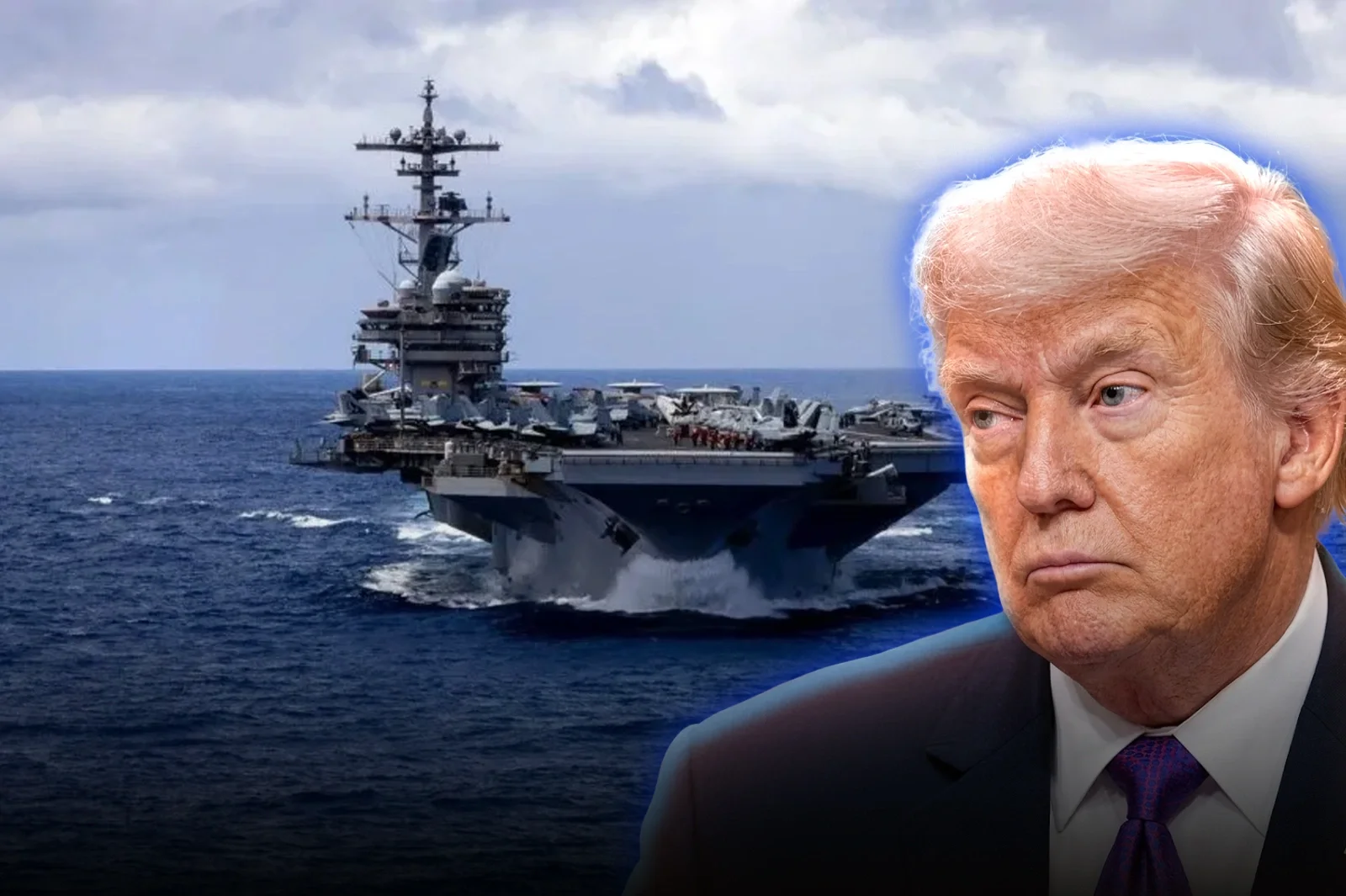
The government of Donald Trump recently announced significant progress in an agreement with the Iranian regime.