Petro's government has repeatedly rejected these accusations and argues that the security problems faced by Ecuador are due to a combination of internal and regional factors. Bogotá responded to the Ecuadorian tariffs with economic measures aimed at protecting Colombian exporters affected by the trade restrictions.
The dispute takes on even greater significance due to the electoral context in Colombia. Citizens went to the polls this Sunday to elect Petro's successor, who cannot run for re-election. The election is taking place in a climate of strong political polarization, with security being one of the main concerns of voters.
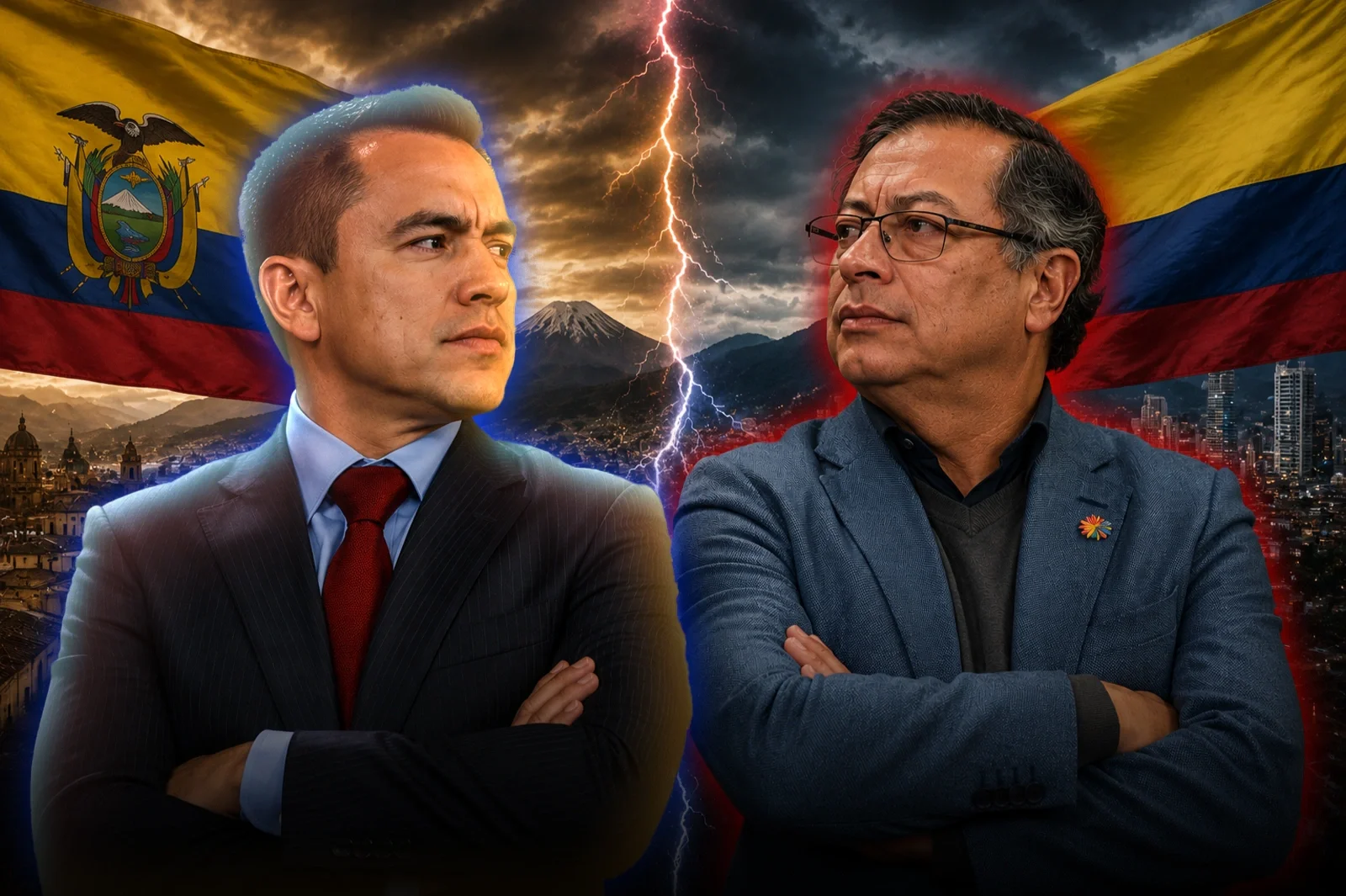
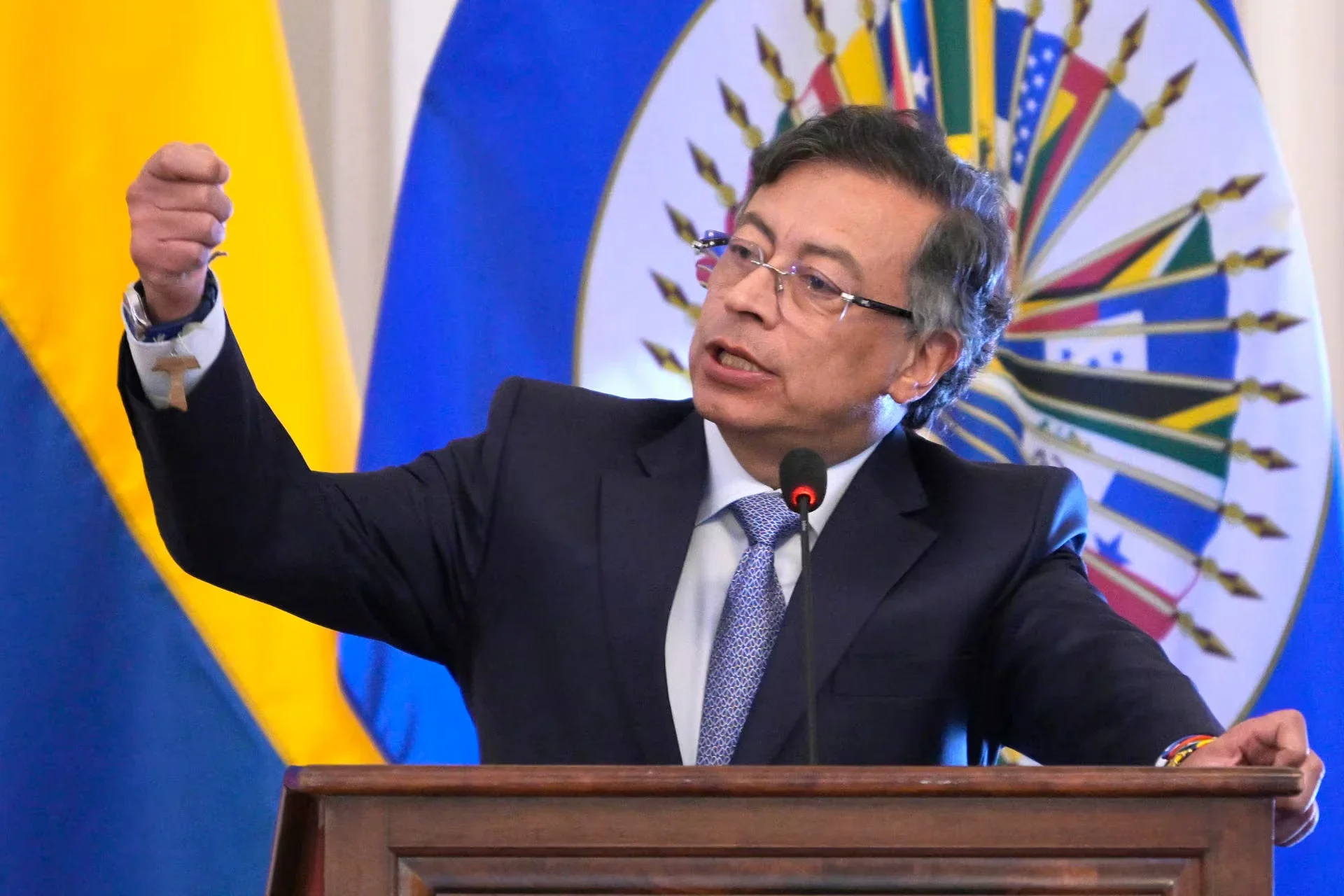
The government of Gustavo Petro accused Ecuador's president, Daniel Noboa, this Saturday of improperly intervening in the Colombian presidential elections after announcing an agreement with the right-wing candidate Abelardo de la Espriella to eliminate the tariffs that Quito had imposed on Colombian products. The accusation heightened diplomatic tension between the two countries just hours before a vote that could redefine Colombia's political direction.
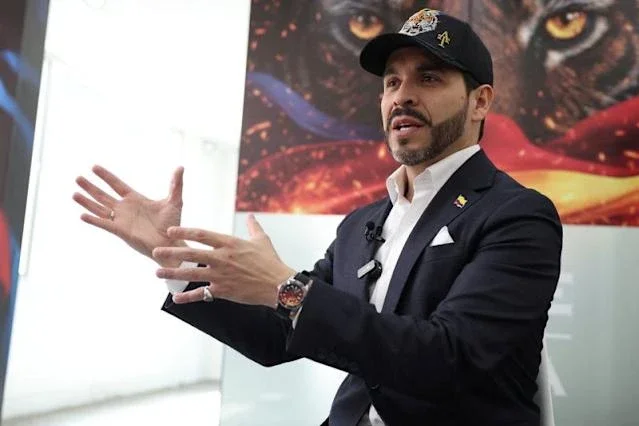
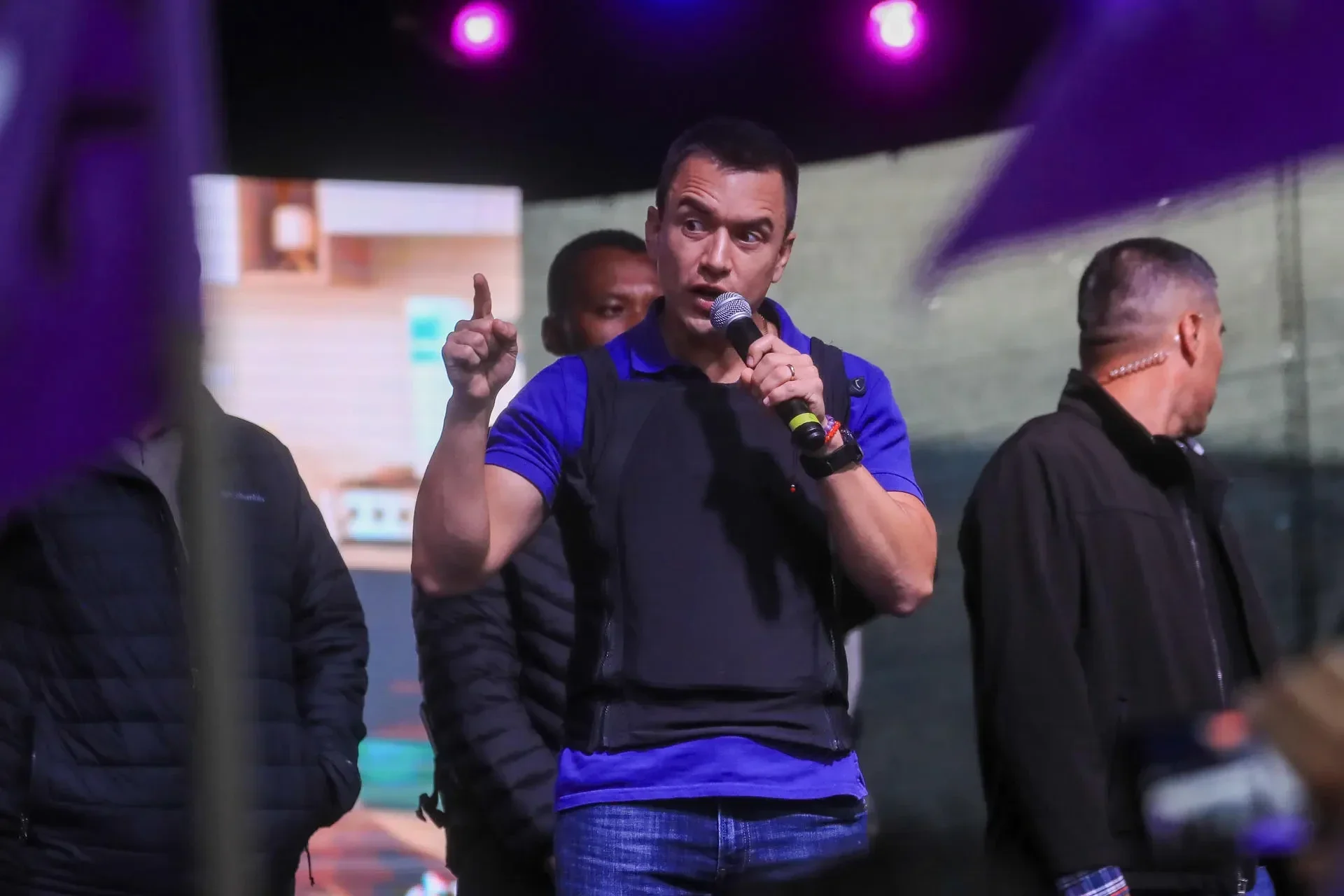
The controversy began when Noboa announced via the social network X that Ecuador will lift the tariffs applied to imports from Colombia on June 1. The Ecuadorian president stated that the decision was the result of a conversation held with De la Espriella, one of the main candidates to succeed the communist Gustavo Petro in the presidency.
According to Noboa, both agreed on the need to promote a ''real and joint fight against narcoterrorism'' and also agreed to advance in the handing over of Ecuadorian citizens linked to criminal activities who are currently in Colombian territory.
Petro's criticisms come after a pre-agreement made between Daniel Noboa and the presidential candidate Abelardo de la Espriella.
The statements provoked an immediate reaction from the Colombian Foreign Ministry, which issued a harsh statement describing the actions of the Ecuadorian president as interference in the internal affairs of the country.
''The involvement of a foreign head of state in the democratic process of another nation constitutes a flagrant violation of the principle of non-intervention, a threat to national sovereignty, and an attack on the democratic system,'' stated the Ministry of Foreign Affairs.
The agency also questioned what it described as a misleading presentation of the elimination of tariffs, considering that the measure was portrayed as a gesture of goodwill conditioned on the eventual arrival of a specific candidate to power.
The communist government of Petro accused Ecuador of violating the principle of non-intervention, claiming that the neighboring country acted based on Colombian matters.
The diplomatic confrontation is set against a backdrop of a trade and security dispute that has deepened in recent months. Since January, Ecuador began to gradually impose tariffs on various Colombian products, arguing that Bogotá was not doing enough to curb drug trafficking along the shared 586-kilometer border.
Quito maintains that drug trafficking from Colombia represents a growing threat to Ecuadorian stability. The concern has intensified as Ecuador, located between Colombia and Peru, the world's largest cocaine producers, has become one of the main transit routes for drug shipments to North America and Europe.
The Noboa government has warned about the growing influence of Colombian and Peruvian drug trafficking organizations over Ecuador.
Polls place among the main contenders Iván Cepeda, identified as the candidate closest to Gustavo Petro's political project, and Abelardo de la Espriella, representing a conservative line that proposes to intensify the fight against criminal organizations. Also among the candidates with possibilities is right-wing senator Paloma Valencia.
The debate over security has dominated much of the campaign. During his term, Petro promoted the strategy known as ''total peace,'' based on simultaneous negotiations with guerrillas, armed dissidents, and criminal organizations. However, the initiative has faced increasing scrutiny due to the persistence of violence and the failure of various agreements by illegal groups.
Critics of the government argue that the policy has not significantly reduced insecurity or contained the expansion of drug trafficking in various regions of the country. They also argue that the lack of concrete results weakened the state's ability to exert control over strategic territories and generated tensions with neighboring countries concerned about transnational crime.
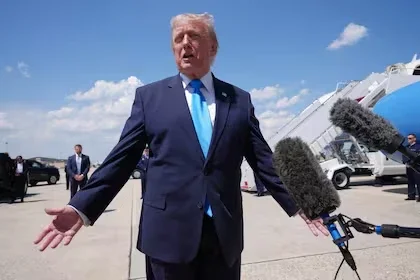
Colombian candidates De la Espriella and Paloma Valencia have made proposals close to President Trump's thinking.
In contrast, De la Espriella and Valencia have promised to strengthen military and police operations against criminal organizations, as well as to restore closer cooperation with the United States on security matters. Both believe that Colombia must adopt a more forceful strategy against armed groups and drug trafficking networks.
The controversy with Ecuador also reflects broader ideological differences in the region. While Noboa maintains a close relationship with U.S. President Donald Trump and supports regional security initiatives promoted by Washington, Petro has defended a more leftist foreign policy that is critical of U.S. influence in Latin America.