The United States Central Command (CENTCOM) reported that U.S. forces disabled the navigation system of the merchant vessel ''Vela Nova'', flying the Panamanian flag, after the ship attempted to continue its navigation toward an Iranian port despite repeated warnings from Washington. The operation represents a new demonstration of U.S. determination to enforce the blockade imposed on Tehran and prevent commercial vessels from contributing to evading the restrictions.
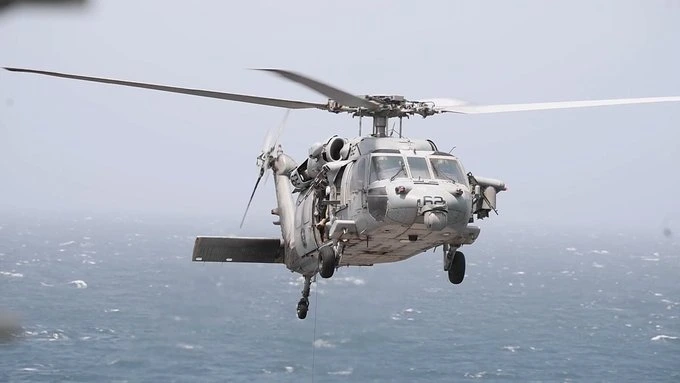
According to CENTCOM, the incident occurred in the Gulf of Oman while the freighter was heading toward Iran. After issuing several warnings to the crew, a U.S. Navy MH-60 helicopter fired two Hellfire missiles at the ship's engine room. The objective of the operation was to prevent the ''Vela Nova'' from continuing its course toward Iranian territory.
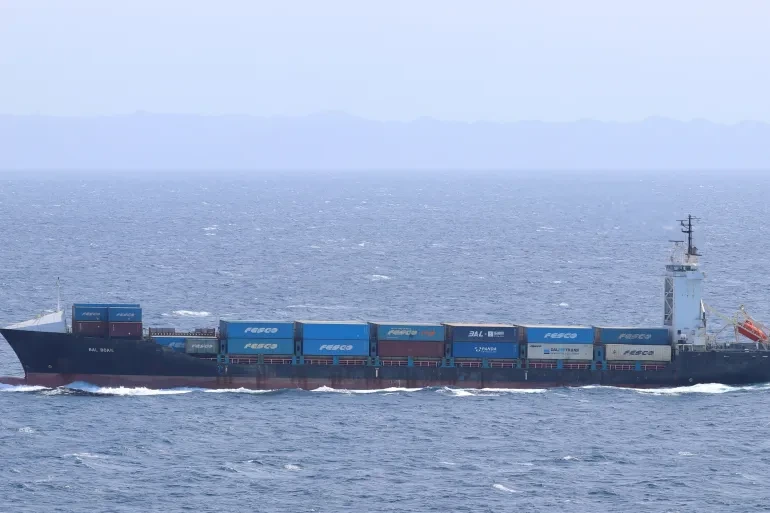
''CENTCOM forces disabled the navigation system of the M/V Vela Nova, flying the Panamanian flag,'' the command stated in its announcement. Subsequently, U.S. authorities confirmed that the vessel stopped heading toward Iran, which Washington considers a violation of the blockade that remains fully in effect.
A helicopter from the United States Central Command launched missiles against a merchant ship that attempted to violate the maritime blockade imposed on the Iranian regime
The U.S. intervention occurred after the civilian crew ignored the warnings issued by U.S. forces. The action aimed to enforce a measure designed to prevent Iran from using international maritime traffic to circumvent the economic and strategic pressure exerted on its regime.
U.S. media, citing a source familiar with the operation, reported that the attack occurred when the vessel was sailing westward, approximately 71 nautical miles off the coast of Pakistan. The vessel was carrying 17 crew members, who were later transferred to another civilian ship. No injuries were reported among the crew members.
The maritime security firm Vanguard confirmed in a preliminary report that one of the missiles hit the vessel and caused a fire. The fire was brought under control several hours later. The British commercial agency UKMTO also recorded the incident, although it initially did not identify those responsible.
The vessel ''Vela Nova'' flying the Panamanian flag ignored warnings on several occasions
The operation against the ''Vela Nova'' marks the third case since the United States resumed its maritime control campaign in July against vessels attempting to reach ports of the Iranian regime. According to figures released by CENTCOM, Washington has redirected 55 commercial vessels, disabled three ships, and boarded two others since the resumption of operations.
For the United States, these measures are part of a strategy aimed at increasing pressure on the Iranian dictatorship. The blockade was initially imposed in April by President Donald Trump after the failure of negotiations aimed at ending the conflict between Washington and Tehran. U.S. policy seeks to restrict the movement of goods to and from Iranian ports and reduce the sources of income that allow the regime to maintain its activities.
Washington has maintained that the blockade is a pressure tool to compel Tehran to change its behavior and return to a negotiating path. The Trump administration has insisted that economic and military pressure can help create more favorable conditions for reaching an agreement that guarantees U.S. security interests.
The economic impact of the strategy has also been significant. The United States previously estimated that the maritime blockade could represent for Iran losses of around 500 million dollars daily, significantly increasing the cost of maintaining its confrontation with Washington. Tehran, for its part, responded with actions against commercial vessels, including the seizure of at least two ships.
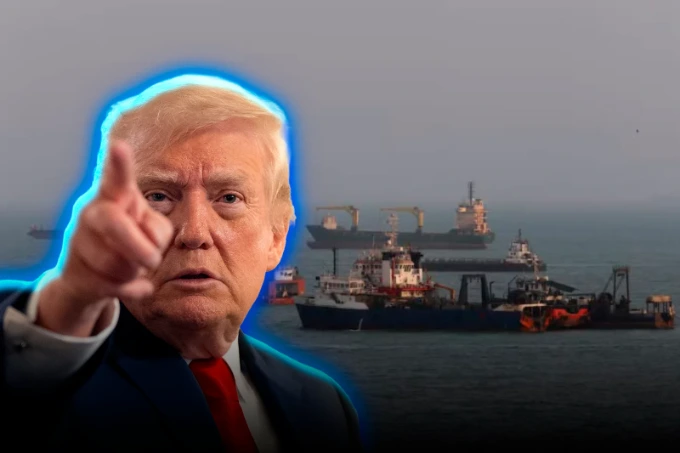
The Trump administration imposed the blockade against the Iranian regime to force it to adopt a pro-negotiation stance
Although the White House has indicated that a diplomatic solution remains preferable to a military escalation, the episode of the ''Vela Nova'' demonstrates that Washington maintains a policy of firm enforcement of the blockade. The intervention also sends a clear message to other maritime operators: attempting to navigate through U.S. restrictions to reach Iranian ports may provoke a direct response.
The operation also reflects the capability of U.S. forces to monitor and control strategic maritime routes in one of the most sensitive areas of the world. The Gulf of Oman and the waters near the Strait of Hormuz are crucial for international energy trade, making it a priority for the United States to prevent Iran from using these routes to challenge sanctions or strengthen its position during the conflict.
The case of the ''Vela Nova'' adds to a growing list of incidents in the Gulf of Oman and the Red Sea, where commercial interests have been affected by the confrontation between the United States and Iran. However, the U.S. response demonstrates that Washington maintains the initiative and is willing to use its military capabilities when it believes its orders are being challenged.
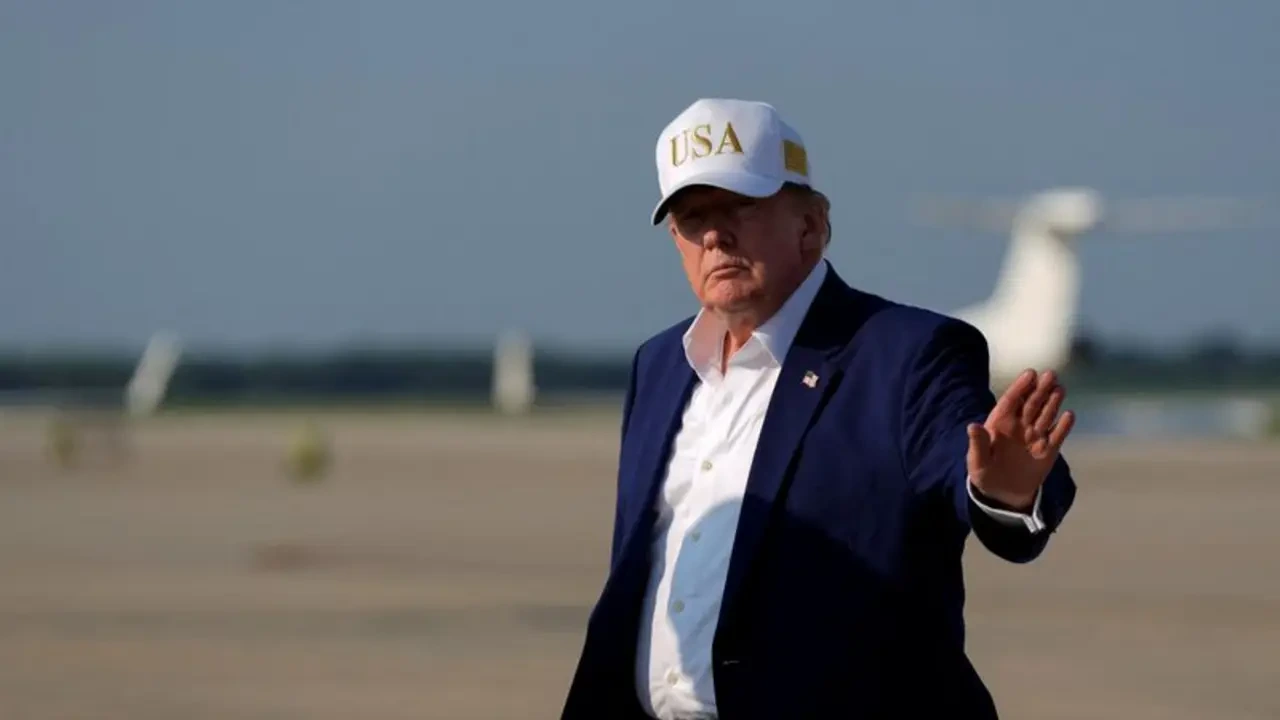
The republican administration assured that it maintains a firm stance against the blockade and stated that it will not hesitate to use military capabilities to resolve the conflict with Iran