The official will leave her position in June after confirming that her husband has been diagnosed with an extremely rare cancer.
Nuevo
Agregar La Derecha Diario en
Compartir:
The Director of National Intelligence of the United States, Tulsi Gabbard, submitted her resignation on Friday, a decision motivated by a personal situation related to her husband's health. As the official herself explained, her departure will take effect on June 30, 2026.
The announcement was communicated through a message detailing the reasons for her decision. “Unfortunately, I must submit my resignation, effective June 30, 2026,” Gabbard wrote, while revealing the delicate medical situation her family is facing.
“My husband, Abraham, has recently been diagnosed with an extremely rare form of bone cancer,” she noted.
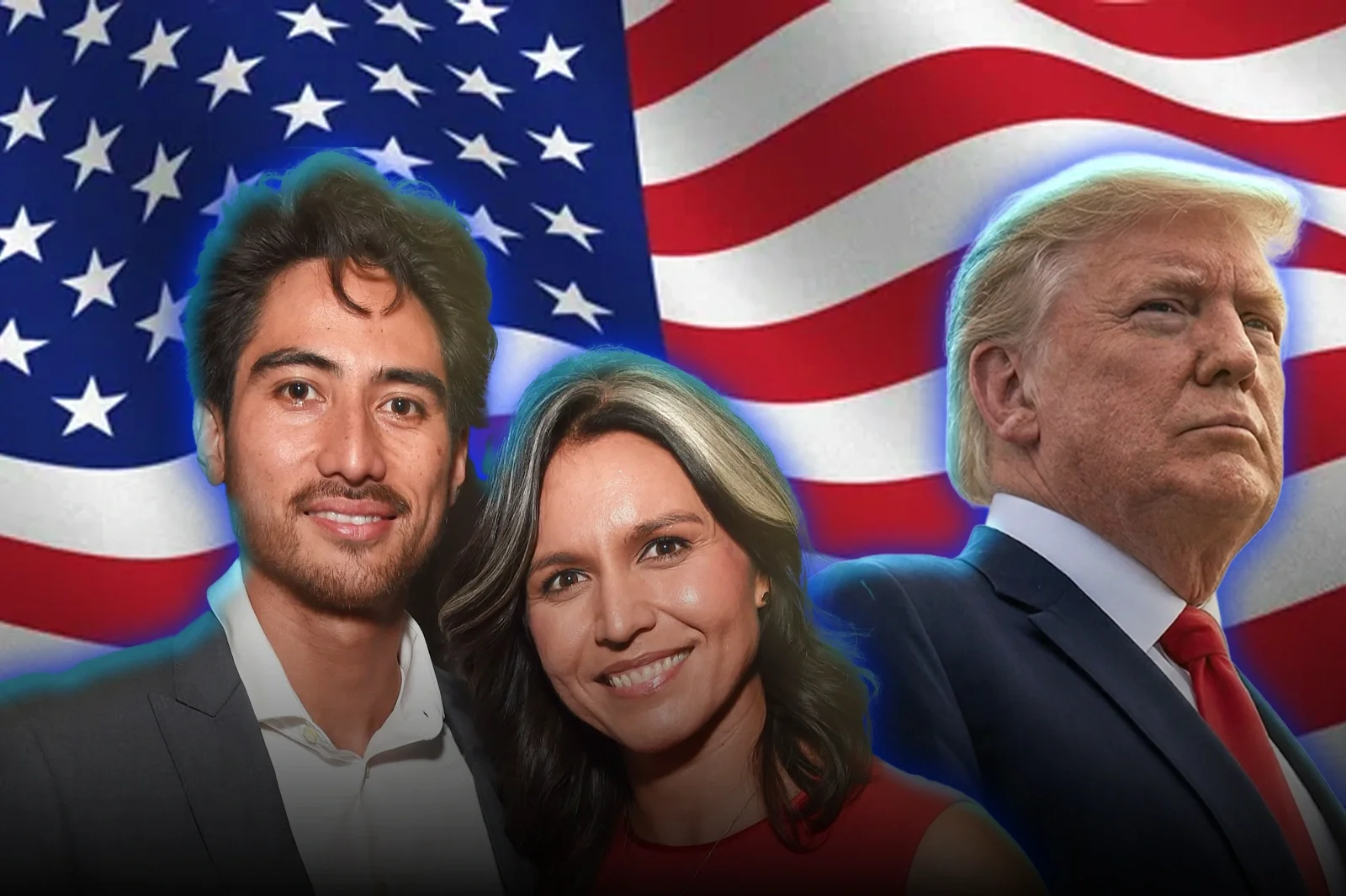
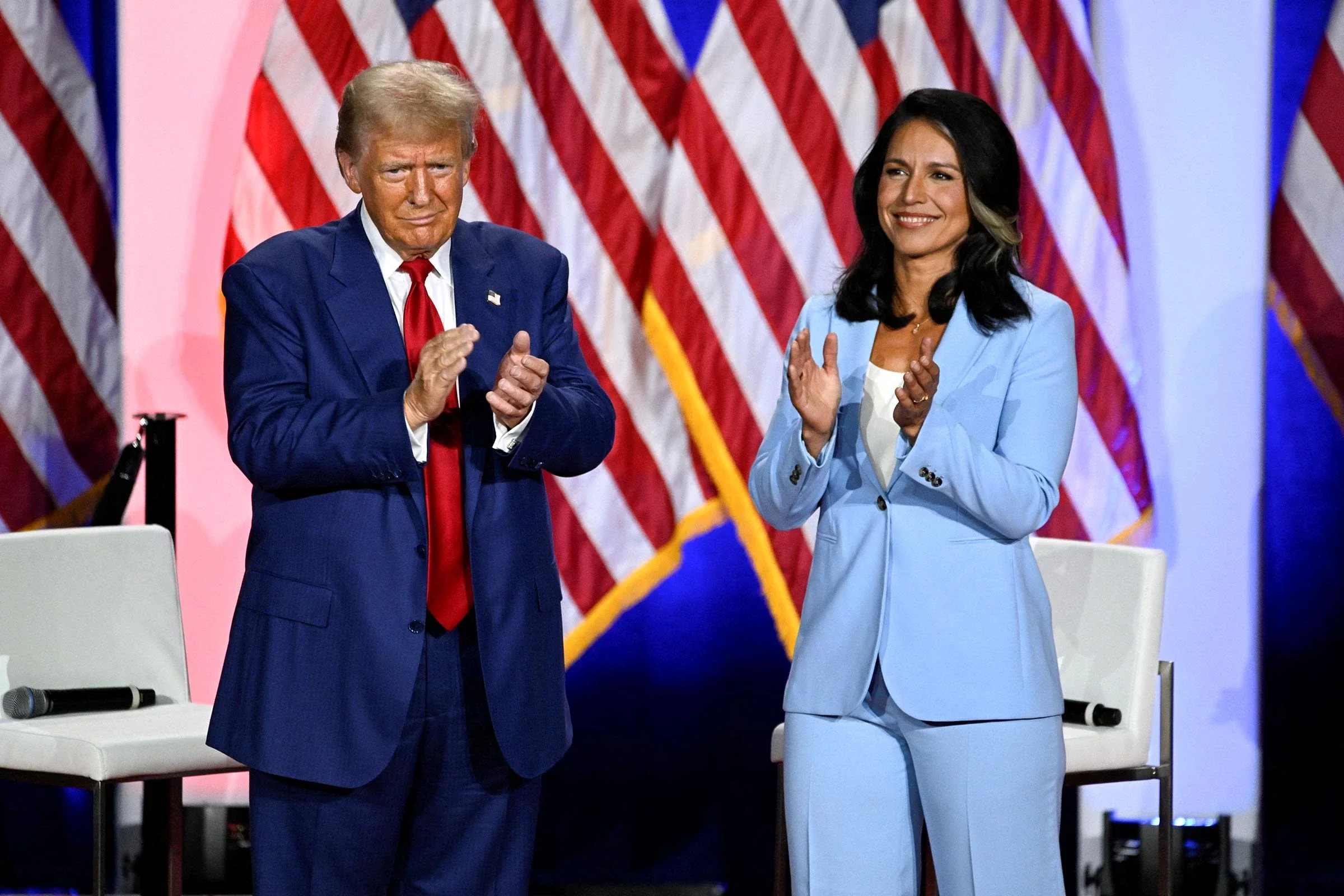
Donald Trump and Tulsi Gabbard.
The now former Director of National Intelligence also included an explicit thank you to President Donald Trump, who had appointed her to one of the most sensitive positions within the U.S. government.
In her message, she highlighted “the trust he placed in me,” referring to the support received from the president during her tenure.
During her time at the National Intelligence Directorate, Gabbard was responsible for the coordination of the 18 agencies that make up the U.S. intelligence community, including the Central Intelligence Agency (CIA). Her role involved the articulation of key strategic information for decision-making in national security matters.
The resignation marks the end of a chapter in Gabbard's political career, which has seen a significant shift in recent years.
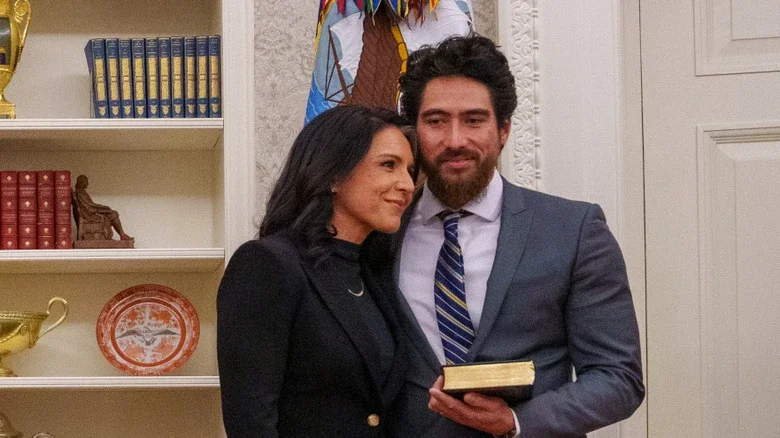
Tulsi Gabbard and her husband.
In 2020, she participated in the presidential primaries of the Democratic Party, in an attempt to compete for the White House nomination. However, two years later, in 2022, she decided to leave that political force, which was increasingly leaning to the left.
Subsequently, in 2024, she formalized her joining the Republican Party, aligning herself with the leadership of Donald Trump, which ultimately led to her appointment at the helm of the country's intelligence system.
Her decision to leave the position is due exclusively to personal reasons, related to supporting her husband in the treatment of a serious illness.
Thus, the U.S. government will need to define in the coming weeks who will take over the leadership of the National Intelligence Directorate, a key position for the functioning of the country's security system.