
La Derecha Diario logo
ESX logoInstagram logoYouTube logoTikTok logoFacebook
ARGENTINABOLIVIAECUADORISRAELMEXICOURUGUAYDERECHA DIARIO TV
  • ES
    XInstagramYouTubeTikTokFacebook
  • DERECHA DIARIO TV
  • Secciones
  • ARGENTINA
  • BOLIVIA
  • ECUADOR
  • ISRAEL
  • MEXICO
  • URUGUAY
  • Países
  • La Derecha Diario logoLA DERECHA DIARIO
  • La Derecha Diario México logoLA DERECHA DIARIO MÉXICO
  • La Derecha Diario Uruguay logoLA DERECHA DIARIO URUGUAY
  • La Derecha Diario Ecuador logoLA DERECHA DIARIO ECUADOR
  • La Derecha Diario Bolívia logoLA DERECHA DIARIO BOLÍVIA
  • La Derechadiario República Dominicana logoLA DERECHADIARIO REPÚBLICA DOMINICANA
  • La Derecha Diario Israel logoLA DERECHA DIARIO ISRAEL
  • La Derecha Diario Estados Unidos logoLA DERECHA DIARIO ESTADOS UNIDOS
  • Temas
  • GUERRA EN IRÁN
  • JUICIO POR YPF
  • El Diario
  • QUIENES SOMOS
  • AUTORES
  • PUBLICIDAD
  • DONAR

NASA opens the competition for control of JPL: the historic laboratory could stop being managed by Caltech

NASA opens the competition for control of JPL: the historic laboratory could stop being managed by Caltech
Imagen de Editorial Team
porEditorial Team
Argentina

NASA claims that the growth of the U.S. space economy opens the door to a competitive market for operating the laboratory.

NuevoAgregar La Derecha Diario en
Compartir:

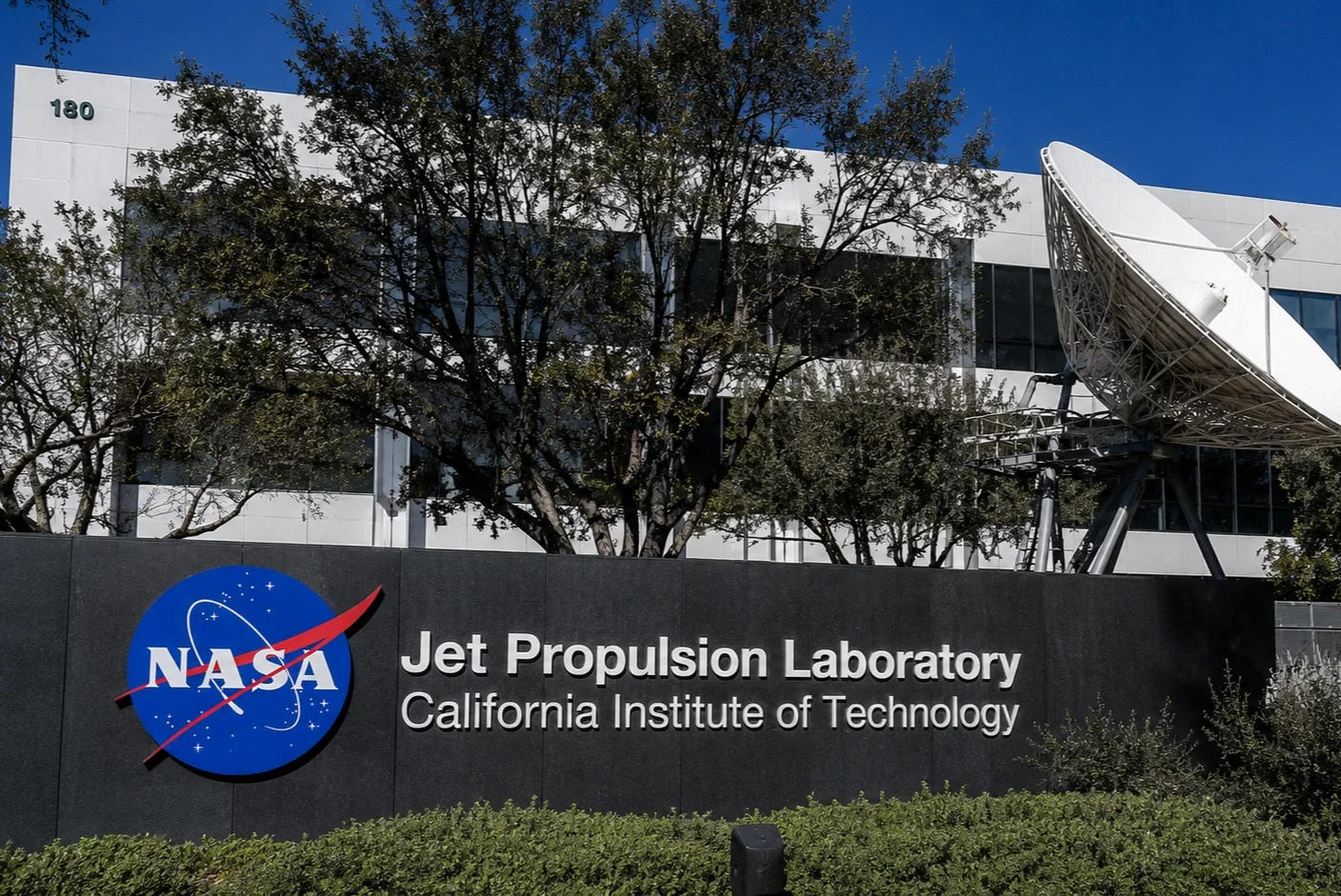
The NASA opened a competitive process to define who will manage the Jet Propulsion Laboratory (JPL) when the current contract with the California Institute of Technology (Caltech) ends in 2028. The decision marks a high-impact institutional move, as Caltech has managed the laboratory since its inception in 1936, even before the creation of NASA itself. The change does not mean that Caltech is out of the race, but for the first time in decades, the space agency will evaluate management alternatives for one of its most emblematic centers.

The JPL occupies a central place in the history of space exploration. The laboratory is recognized for its role in robotic missions, planetary exploration, and technology development to study Mars, the Solar System, and deep space. Therefore, the opening of a bidding process is not just an administrative procedure: it could redefine how a key part of U.S. space science is organized at a time of strong growth in the private sector.

According to the call, NASA seeks to receive responses from stakeholders because “the rapid growth of the U.S. space economy indicates that there may now be a viable competitive market”. The agency argues that “conducting a competition for this contract” will allow it to assess “the potential benefits of alternative management approaches,” including improvements in mission performance, innovation, costs, and operational efficiency.

Imagen 1406142

Why NASA opens the competition: efficiency, innovation, and new space actors

The official explanation points to a change in context. For decades, the relationship between Caltech and JPL functioned as a stable model for the development of high-complexity missions, but the current space ecosystem is no longer the same as that of the mid-20th century. The expansion of private companies, aerospace contractors, and universities with strong technical capabilities opens the possibility for other actors to compete for a contract of enormous strategic value.

NASA stated that the process is part of a broader effort to find efficiencies within the Government and the agency itself. In other words, the call seeks to measure whether there is a management approach capable of sustaining the scientific level of JPL while simultaneously improving costs, timelines, and operations. The underlying question is whether a historic laboratory can adapt to a new space economy without losing its technical identity or its capacity for innovation.

The contract at stake would have an estimated value of at least USD 30 billion, making it one of the most important opportunities within the U.S. space system. Among the potential interested parties could be universities with strong aerospace engineering programs, but also major contractors like Lockheed Martin or Boeing. The economic magnitude of the contract explains why the process will be closely monitored by the scientific, industrial, and political sectors.
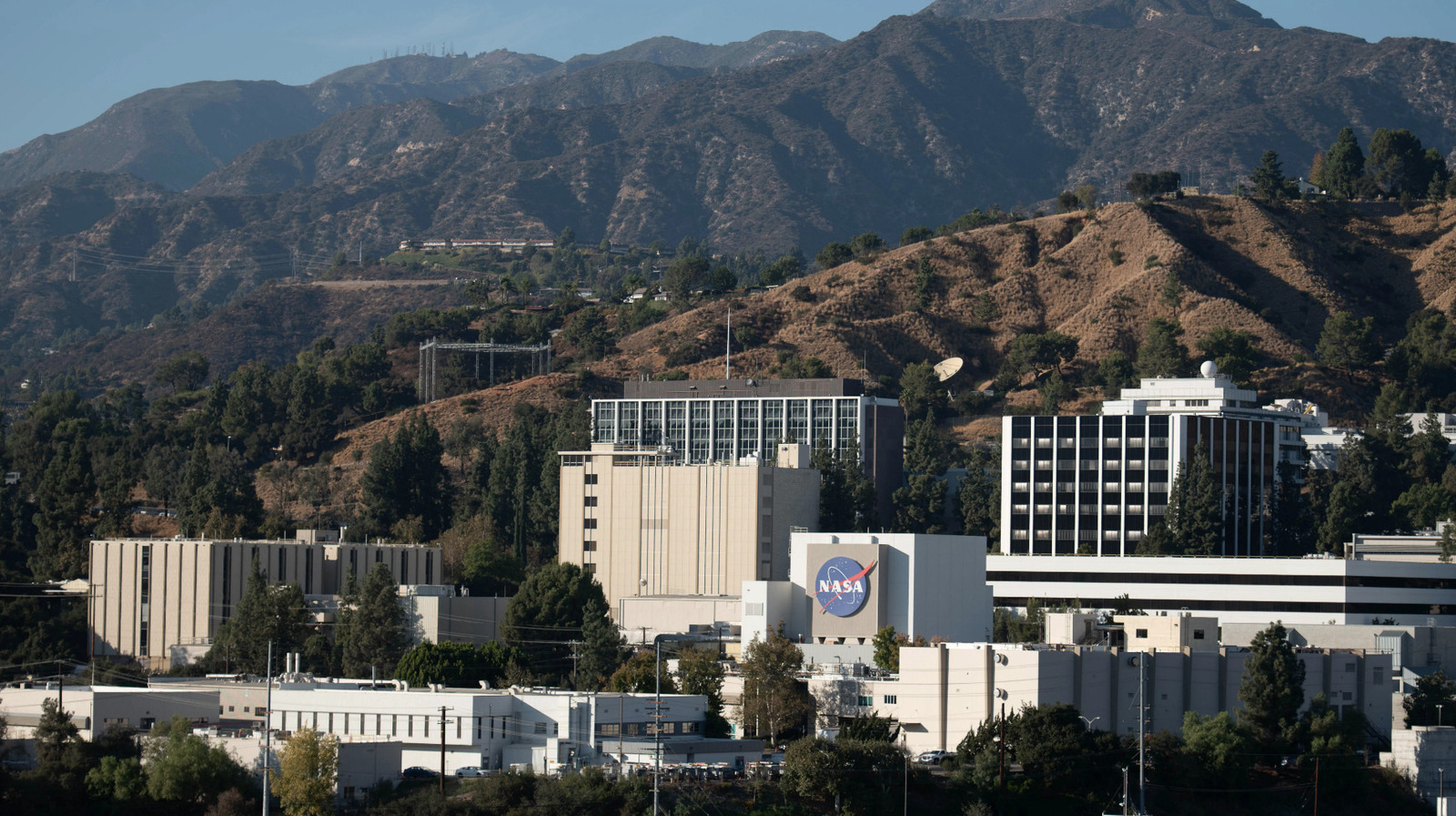
NASA is opening up bids for who will run the Jet Propulsion Laboratory - EngadgetCaltech and the historical weight of JPL: a relationship that began before NASA


The link between Caltech and the Jet Propulsion Laboratory is a central part of U.S. space history. The JPL was founded in 1936, more than two decades before NASA was formally established, and since then Caltech has played a decisive role in its administration. This continuity has given the laboratory its own technical culture, associated with high-precision missions, robotic exploration, and the development of scientific knowledge.

Therefore, the opening of the contract carries strong symbolic weight. It is not just about choosing an administrative operator, but about deciding who will lead an institution that helped build the modern identity of space exploration. Although Caltech will be able to compete, the fact that NASA is seeking other options shows that the agency wants to compare models and not take the historical scheme for granted.

The process may also generate internal questions. A change in management could affect work dynamics, research priorities, labor structure, and relationships with universities, contractors, and partner agencies. At the same time, an open competition could serve as pressure to modernize processes, justify costs, and reinforce results in front of a Congress more attentive to public spending.

Caltech
Caltech

Budget under pressure: cuts, private industry, and the future of the laboratory

The decision comes at a time of strong budgetary tension. The Trump administration requested a 23% cut in NASA's budget from Congress, a reduction that would also directly impact the JPL. This context fuels the hypothesis that the agency is looking for a management partner with greater financial capacity, better operational structure, or more tools to absorb a scenario of restrictions.

The debate combines science, politics, and money. NASA's funding represents about 0.35% of the U.S. federal budget, yet the agency has found itself at the center of discussions about spending efficiency. In this framework, the JPL appears as a high-value piece: costly, strategic, and difficult to replace, but also exposed to reviews due to its budgetary magnitude.

The entry of new actors could modify the balance between public research, universities, and private contractors. If an aerospace company gained weight in the administration of the laboratory, the model could lean more towards industrial logics of efficiency, production, and costs. If, on the other hand, another academic institution competes and wins, NASA could seek to renew the university model without completely breaking with the scientific tradition that has marked the JPL.


La Derecha Diario logo
TwitterInstagramYouTubeTikTokFacebook
Derecha Diario TV

Nosotros

  • Quienes Somos
  • Autores
  • Donar

Privacidad

  • Protección de datos
  • Canales
  • Sitemap
  • RSS

Contacto

  • info@derechadiario.com.ar
PUBLICIDAD

Noticias relacionadas

Milei's government deported two illegal Moroccan immigrants after disturbances in Entre Ríos.

Milei's government deported two illegal Moroccan immigrants after disturbances in Entre Ríos.

Péter Magyar is pushing for a reform to prevent Viktor Orbán from becoming prime minister again.

Péter Magyar is pushing for a reform to prevent Viktor Orbán from becoming prime minister again.

The Gendarmerie rejected the entry of pregnant Bolivian women who were trying to receive free medical care in Argentine hospitals.

The Gendarmerie rejected the entry of pregnant Bolivian women who were trying to receive free medical care in Argentine hospitals.

Miriam Quiroga, former secretary of Néstor Kirchner and key witness in the Cuadernos Case, has disappeared.

Miriam Quiroga, former secretary of Néstor Kirchner and key witness in the Cuadernos Case, has disappeared.

What movies and series are coming to Netflix in June 2026?

What movies and series are coming to Netflix in June 2026?

Maxi López spoke about the possible arrival of Daniela Christiansson to MasterChef Celebrity.

Maxi López spoke about the possible arrival of Daniela Christiansson to MasterChef Celebrity.