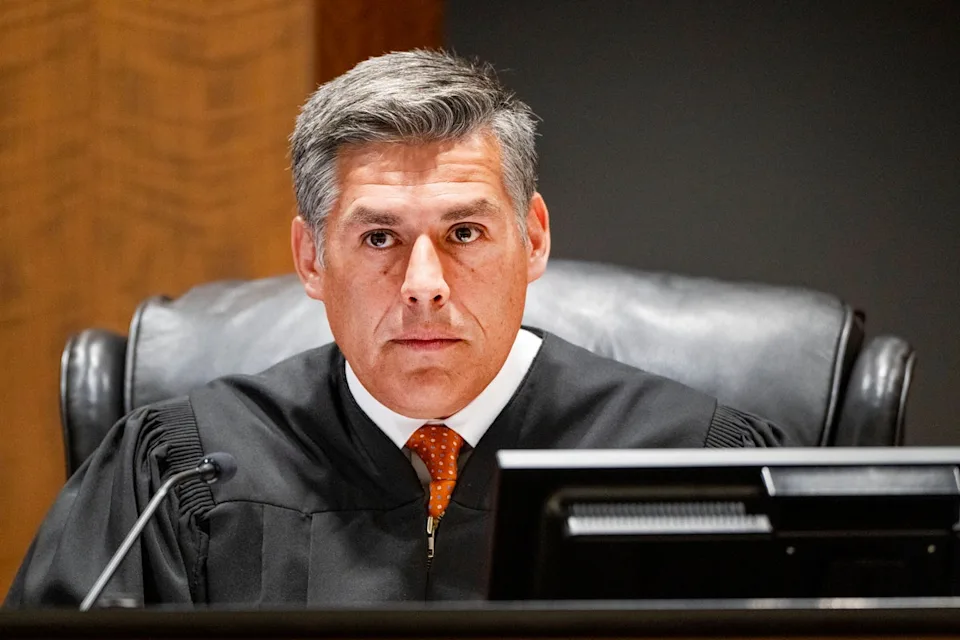
Judge Tony Graf Jr. postponed the preliminary hearing until July and rejected Robinson's request to exclude cameras.
Nuevo
Agregar La Derecha Diario en
Compartir:
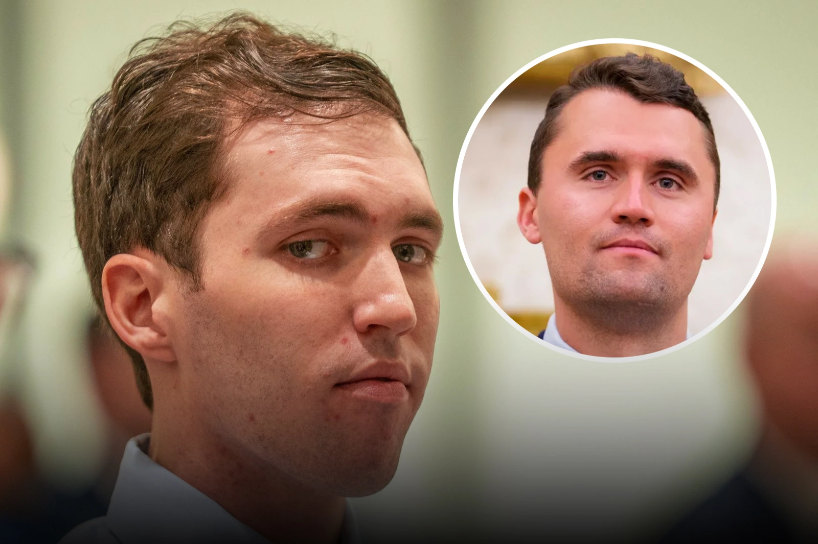
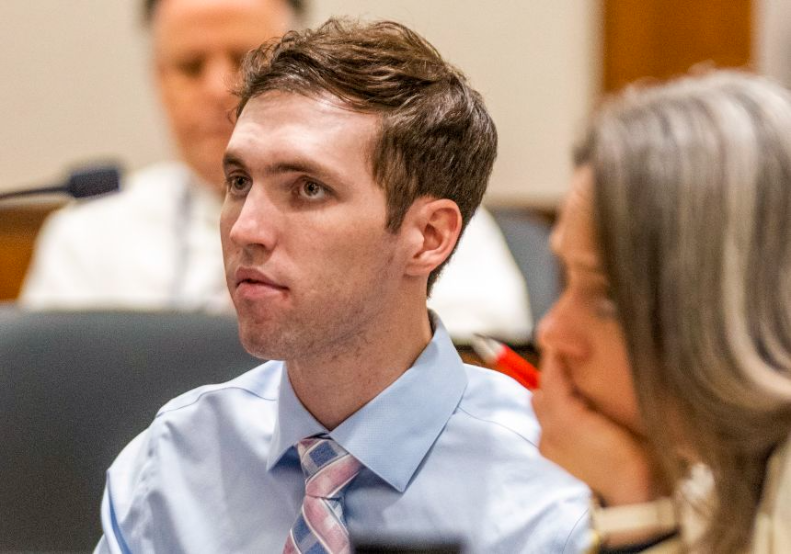
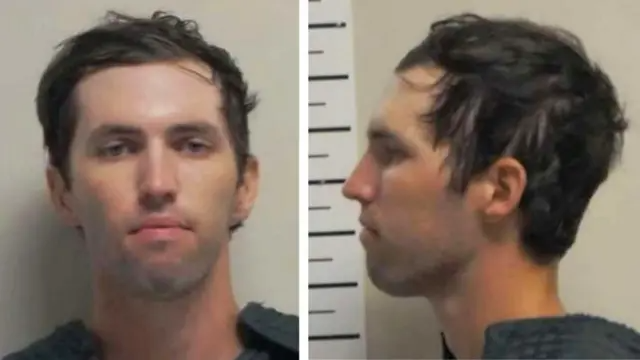
Judge Tony Graf Jr. decided to postpone until July the preliminary hearing of Tyler Robinson, who is facing charges for the murder of Charlie Kirk, and also rejected the defense's attempt to ban cameras and electronic media inside the courtroom. The decision represents a key step in one of the most media and politically sensitive criminal proceedings
in the United States.
The preliminary hearing was set for July 6-10, after both prosecutors and defense attorneys acknowledged that the amount of evidence continues to grow significantly. During the hearing, the prosecution reported that it is still receiving material from federal agencies, while the defense indicated that it recently obtained another package of approximately 1,600 files related to the investigation
.
Graf explained that the delay was necessary to ensure that Robinson receives an adequate and effective defense, especially considering the magnitude of the evidentiary discovery. The defendant's attorneys maintain that they have already received more than 600,000 files and that fully reviewing that material could take months
.
“The defendant's constitutional right to effective representation must be protected,” the magistrate said, justifying the delay. However, he also recognized that there is a legitimate interest both on the part of Kirk's family and the public in moving the case forward without unnecessary delay
. The murderer of Charlie Kirk managed to postpone the public hearing for his trial, but he won a severe defeat and his trial will be broadcast in public
The judge also recalled that a preliminary hearing is not intended to define guilt or innocence, but only to determine if the prosecution has sufficient evidence to continue to a formal trial. Even so, he indicated that the complexity of the case requires more time to be granted to the defense
.
The decision on the cameras in the courtroom represented another important moment in court day. Robinson's lawyers had asked to ban all broadcasting and audiovisual coverage, arguing that the enormous media exposure of the case could contaminate the potential jury and affect the chances of
a fair trial.
The defense presented studies showing that 99% of Utah County residents were already aware of the case and 64% considered Robinson guilty before the trial began. Experts also appeared who said that constant coverage on social networks and live broadcasts could reinforce prejudices
among future jurors. The judge in the case assured that the concerns raised by the defense do not merit a ban on cameras in the compound.
Despite these arguments, Graf concluded that the concerns raised did not justify a total ban on cameras. The magistrate noted that much of the content consumed by the public comes from comments on social networks, analysis programs and digital publications, not necessarily from live judicial broadcasts
.
In addition, he indicated that measures already exist to protect the integrity of the process, including restrictions on the location of cameras, rules of behavior in the courtroom and limitations regarding public statements by lawyers and case participants.
The resolution was interpreted as a victory for judicial transparency and a setback for Robinson's strategy, whose team sought to limit the public dissemination of the process. The prosecution insisted during the hearing that maintaining access to cameras helps combat disinformation and conspiracy theories that have circulated since the beginning of the investigation
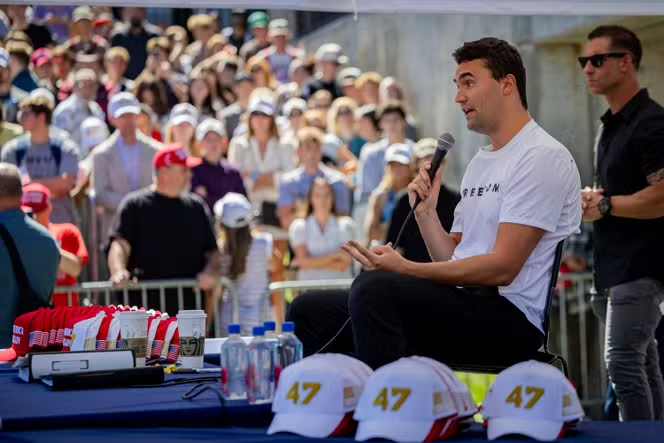
. Charlie Kirk was assassinated last year 2025 during a conference given on the campus of the University of Utah
Utah County Assistant Attorney Chad Grunander said that “the best answer to falsehoods is transparency and accuracy,” defending the continuity of judicial transmissions
.
The case has aroused enormous national interest due to the political profile of Kirk, founder of Turning Point USA and an influential figure in the American conservative movement. Robinson faces multiple charges, including aggravated murder for the events of September 2025. Because of the seriousness of the crimes charged, the process is eligible for the death penalty.
Meanwhile, public questioning of Robinson and his judicial strategy continues. Several observers believe that the defense is trying to prolong the process through technical resources and procedural objections instead of responding directly to the weight of the evidence collected by the researchers.
Robinson must return to court on May 19 for another face-to-face hearing, before the start of the preliminary hearing scheduled for July, in a case that continues to concentrate media, political and judicial attention across the country.
The charges against Tyler Robinson make him eligible for the death penalty