The United States forces attacked two Iranian launchers located on Larak Island, near the strategic Strait of Hormuz, after detecting members of the Revolutionary Guard preparing to fire rockets equipped with naval mines. The operation represents a new warning from Washington to Tehran and aims to prevent Iran from threatening one of the main maritime routes for global trade and energy supply.
The episode was confirmed by the United States Central Command (Centcom), which explained that its forces acted after identifying Iranian preparations that could endanger international navigation. Tim Hawkins, a Centcom spokesperson, noted that U.S. military personnel observed members of the Revolutionary Guard as they prepared to use the launchers against maritime routes.
''Earlier in the day, U.S. forces attacked two Iranian launchers on Larak Island,'' Hawkins stated. According to the spokesperson, the systems were being prepared to launch rockets with naval mines.
U.S. forces attacked Iranian regime military equipment on Larak Island in response to Iranian threats in the Strait of Hormuz
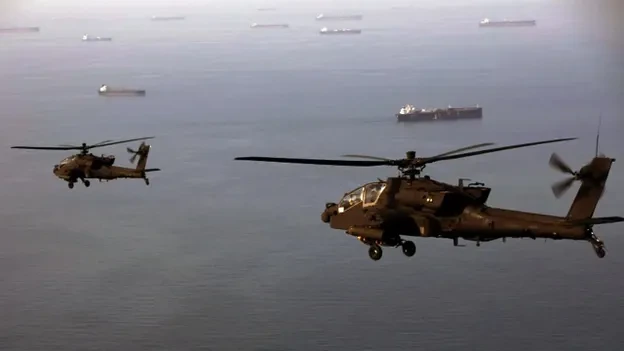
The U.S. intervention occurred just days after Centcom completed an operation to clear naval mines from the international shipping routes of the Strait of Hormuz. Washington maintains that ensuring safe transit through that route is a strategic priority due to its enormous importance for global trade.
From the U.S. perspective, the presence of new Iranian equipment intended to lay mines represented a direct threat to that effort. The military response sought to neutralize the capability before it could be used against commercial vessels.
The operation also coincides with a strong warning from President Donald Trump. The president had established a policy of zero tolerance for any attempt to lay new mines in the strait and warned that any vessel involved would be ''immediately and systematically destroyed''.
Trump's stance reflects a deterrence strategy aimed at preventing Iran from closing, blocking, or hindering maritime transit in the Strait of Hormuz. The area connects the Persian Gulf with the Gulf of Oman and constitutes one of the most important maritime routes on the planet, especially for the transport of oil and other energy products.
The U.S. president warned that he will show zero tolerance for new military actions by the regime in the Strait of Hormuz
The Iranian Revolutionary Guard, however, condemned the attack and threatened to retaliate against the United States. In a statement broadcast by state television, the military body claimed that the attack resulted in deaths and injuries among its fighters and asserted that Washington would face consequences.
The spokesperson for the Revolutionary Guard, General Sardar Mohbi, described the operation as a ''strategic and lethal mistake'' by the Trump administration. He also stated that the United States would face economic and military costs for the action.
The Iranian threats raise tensions, but the U.S. attack demonstrates that Washington is willing to act when it identifies a concrete risk to international navigation. Instead of waiting for the mines to be deployed and endanger commercial ships, U.S. forces attacked the launchers that were being prepared to use them.
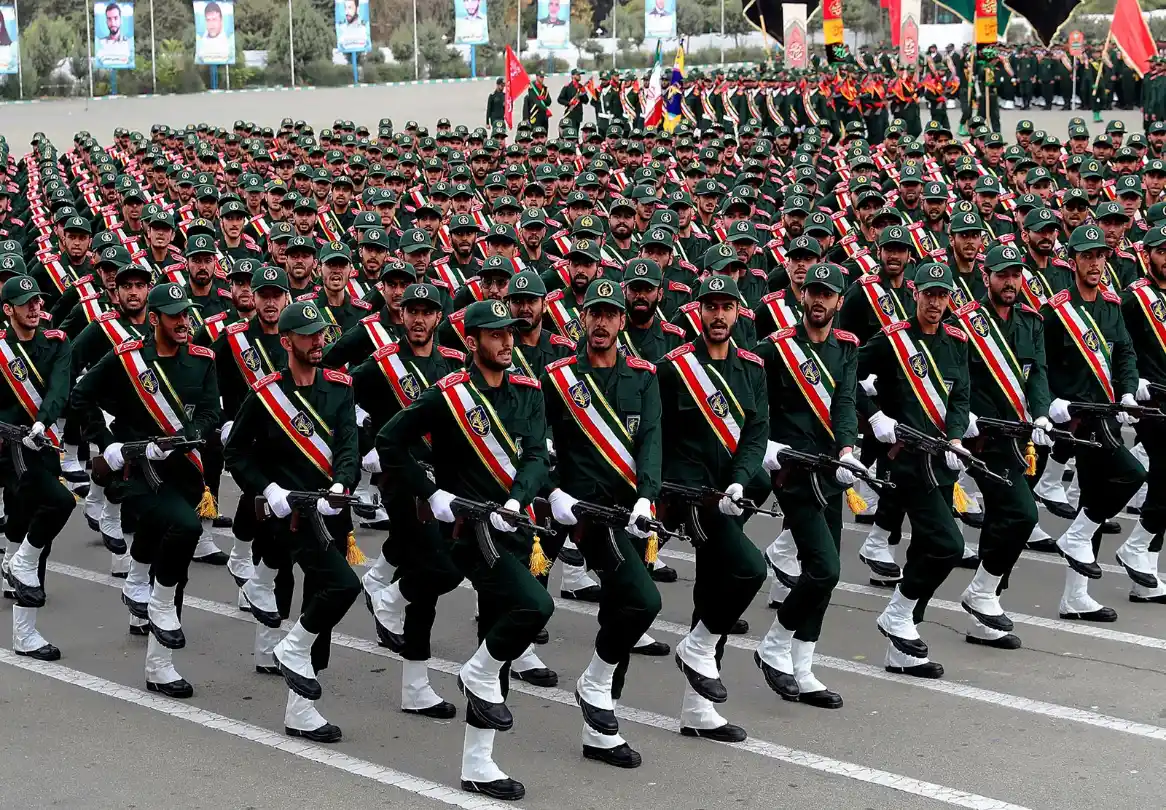
The armed forces of the Iranian terrorist regime warned of possible reprisals against the United States
The incident is also significant because it marks the first known U.S. attack against Iran since late July, when Trump paused a two-week military campaign related to tensions surrounding the Strait of Hormuz.
For Washington, the priority remains keeping international routes open and protecting the movement of goods and energy. The operation in Larak also sends a clear message to Tehran: any attempt to mine the strait again will be met with a direct military response.
With the recent clearing of the routes and the destruction of the Iranian launchers, the United States seeks to consolidate the security of an essential maritime route and reinforce its deterrent capacity against new Iranian threats.