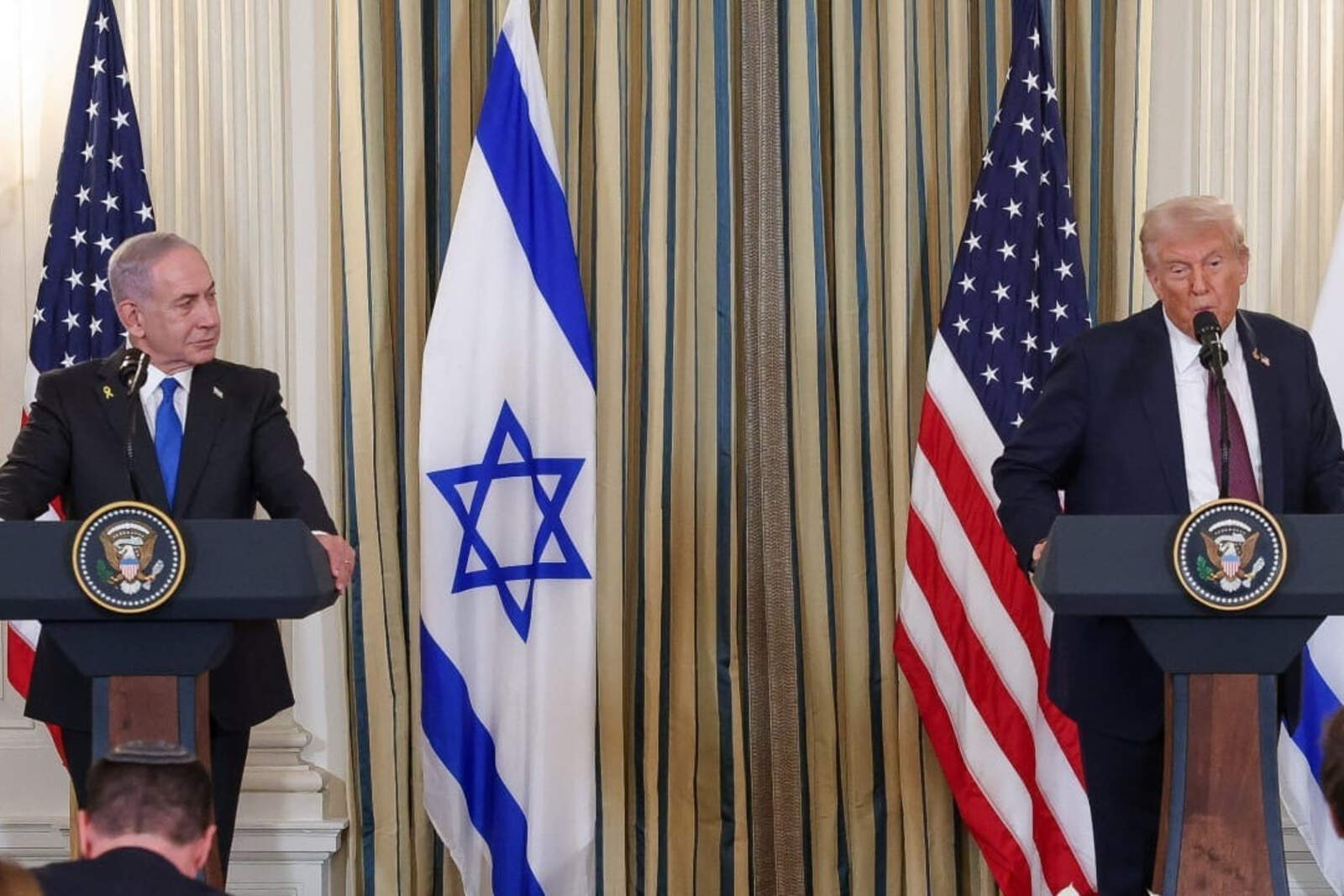
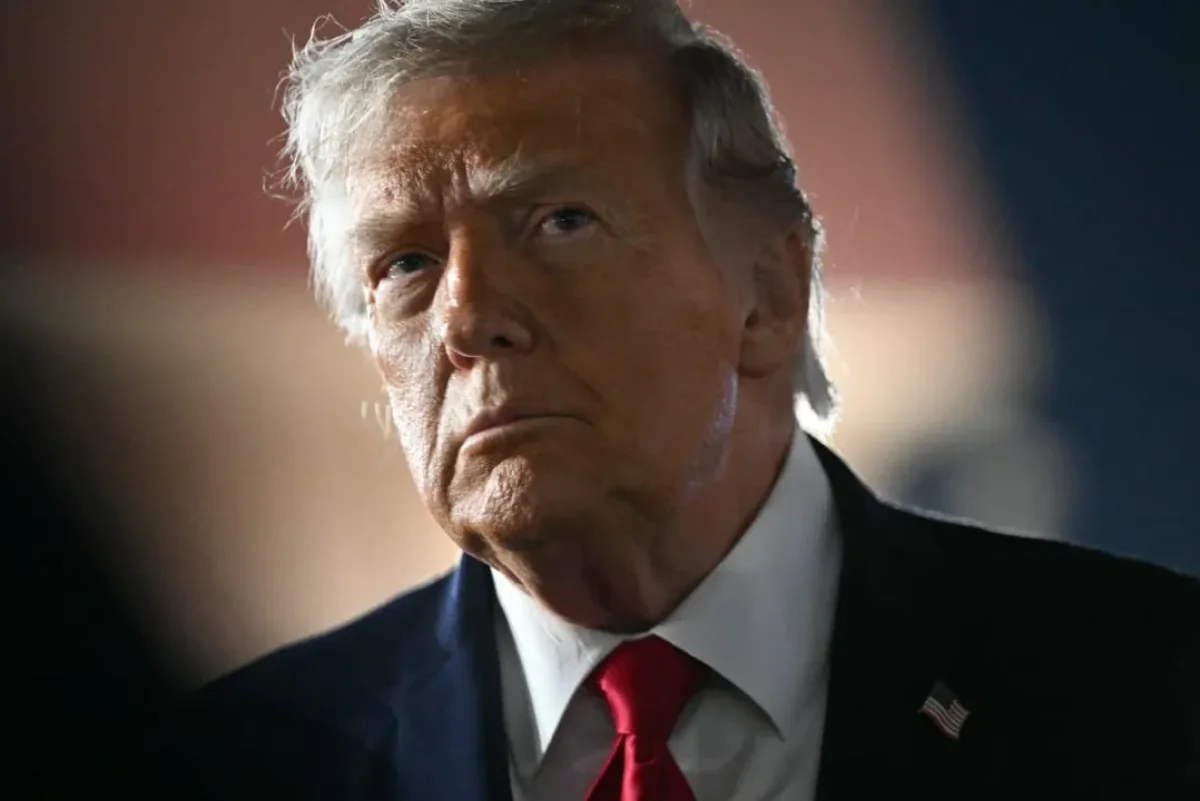
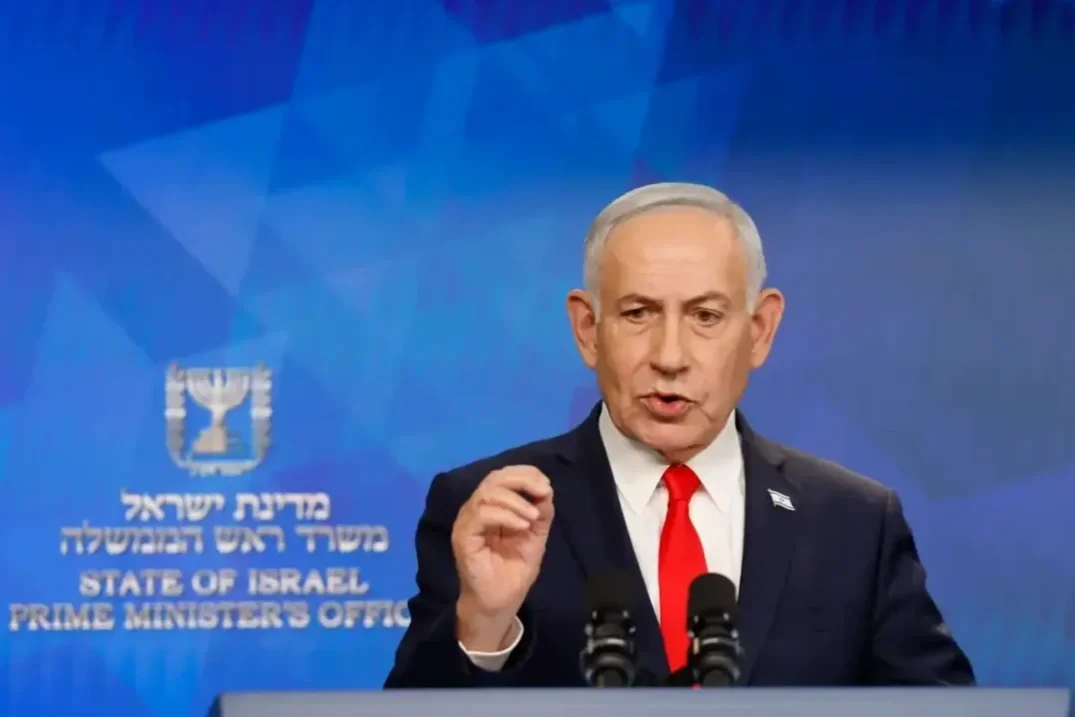
Prime Minister Benjamin Netanyahu held a phone conversation with U.S. President Donald Trump, in which both leaders discussed the recent pardon request submitted by Netanyahu to President Isaac Herzog.
According to sources cited by Israeli media, Trump used the conversation to formally invite the Israeli premier to a meeting at the White House in the near future, a gesture that was interpreted in Jerusalem as a sign of political support during a complex moment.
During the call, Netanyahu and Trump also reaffirmed their shared commitment to the central security objectives in the region: the complete disarmament of Hamas, the demilitarization of the Gaza Strip, and the expansion of peace agreements with Arab countries.
Both agreed that regional stability depends on irreversibly weakening terrorist organizations and strengthening the diplomatic frameworks Israel has built in recent years.
The pardon request submitted by Netanyahu on Sunday was described by the President's Office as an "extraordinary move" with possible institutional repercussions.
Authorities anticipate that the review process, which includes supplementary material, will take up to two months.
In a video message released after the request, the prime minister explained that he seeks to avoid further internal polarization and allow the country to focus on strategic challenges, from national security to the consolidation of new regional alliances.
Netanyahu also referred to Trump's repeated calls to end the corruption trial he faces: "President Trump asked that the proceedings be ended immediately, so that together we can advance vital shared interests between Israel and the United States during a window of opportunity that might not return," he said.
In early November, Trump had sent a letter to Herzog asking him to grant the pardon, describing the judicial process against Netanyahu as "political" and "unjustified."
Although the request caused tensions within the Israeli political spectrum—with the ruling party supporting it and the opposition harshly criticizing it—the prime minister's circle keeps that institutional stability and the country's security must prevail over partisan disputes.
The conversation between both leaders took place shortly after Trump posted a message on Truth Social urging Israel to maintain a diplomatic approach regarding Syria, emphasizing the need to avoid steps that could hinder that country's development.
For Jerusalem, coordination with Washington remains an essential pillar during a period of growing regional threats and unprecedented strategic opportunities.