Trump's statements also respond to media reports suggesting that Iran could be gaining economic benefits from maritime transit through Hormuz, a passage through which a significant portion of the oil and gas traded globally flows.





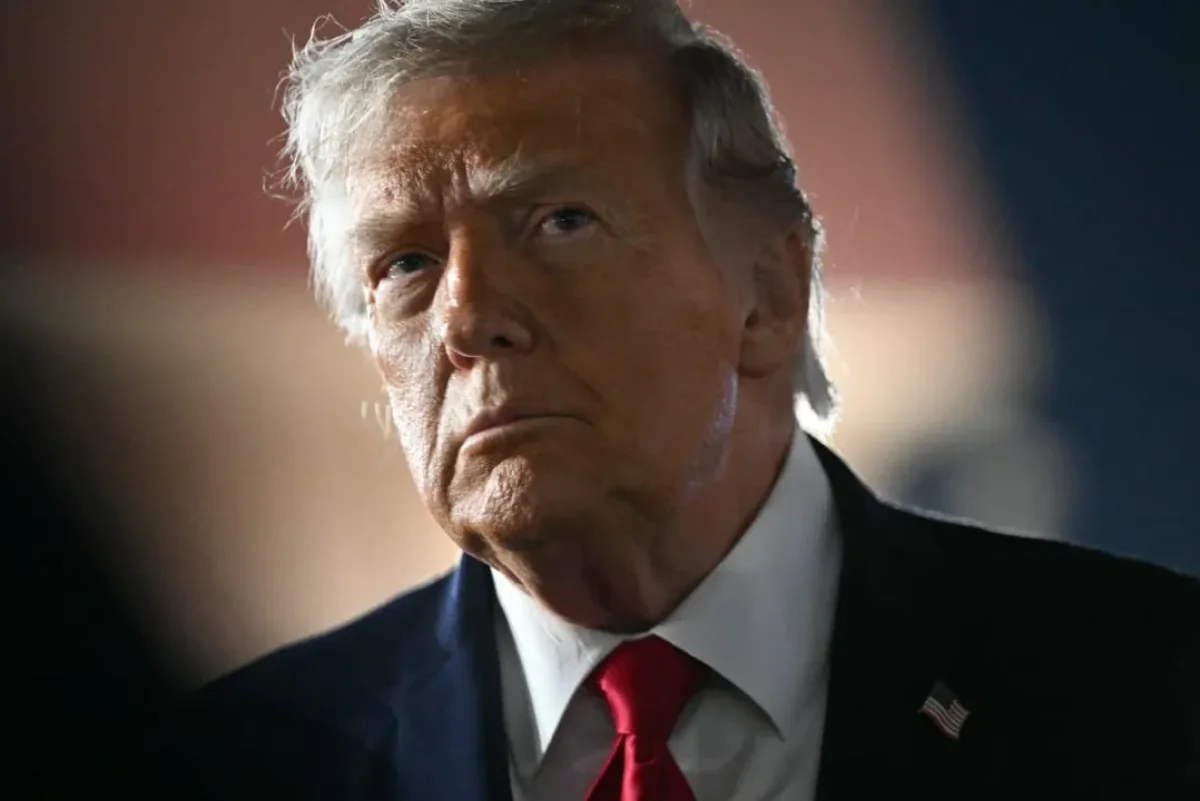

The leader assured that he will not tolerate the Islamic Republic's failure to comply with the agreement
Trump's statements also respond to media reports suggesting that Iran could be gaining economic benefits from maritime transit through Hormuz, a passage through which a significant portion of the oil and gas traded globally flows.
The issue has become one of the most sensitive points in the talks, along with Israel's role in the parallel war unfolding in Lebanon and the possible economic incentives offered to Tehran.
Meanwhile, concrete progress has begun to be recorded in the reopening of the maritime route. The International Maritime Organization (IMO), a UN agency, confirmed that several ships have already begun to transit the strait under a new coordinated scheme to evacuate vessels that had been trapped during the conflict.
According to maritime tracking data, at least three commercial vessels crossed the area in recent hours, while dozens more are waiting for authorization to do so. The plan includes two navigation corridors: one through Iranian waters and another through waters coordinated between Oman and the United States.
The gradual reopening of Hormuz is a crucial test for the viability of the agreement between Washington and Tehran. For Trump, who faces criticism from both the opposition and harder-line sectors within his own party, the success or failure of this understanding could become one of the main foreign policy issues in the coming months.
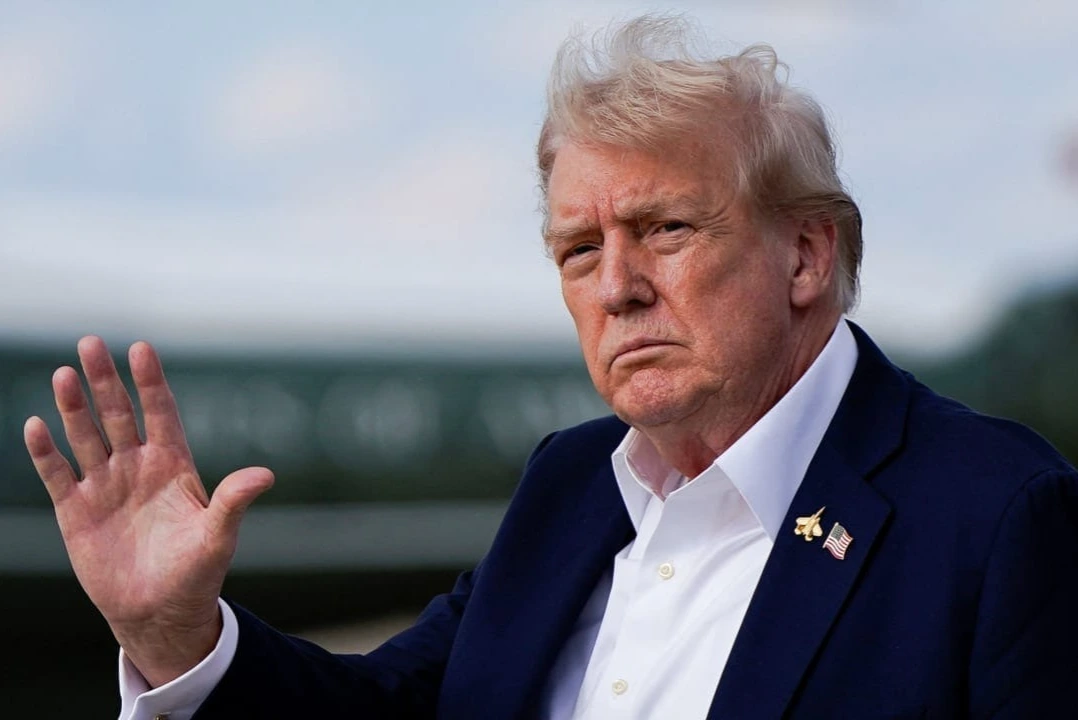




The President of the United States, Donald Trump, issued a new warning to Iran amid delicate negotiations aimed at ending the conflict that has shaken the Persian Gulf for months.
Trump stated that Tehran formally assured Washington that it is not charging tolls, additional insurance, or any other type of fee to vessels passing through the strategic Strait of Hormuz.
“Iran has informed the United States that there are no tolls, insurance costs, or charges of any kind for ships transiting the strait”, the president wrote on his social media. However, he added a categorical warning: if that information turns out to be false, talks between the two countries “will end immediately”.
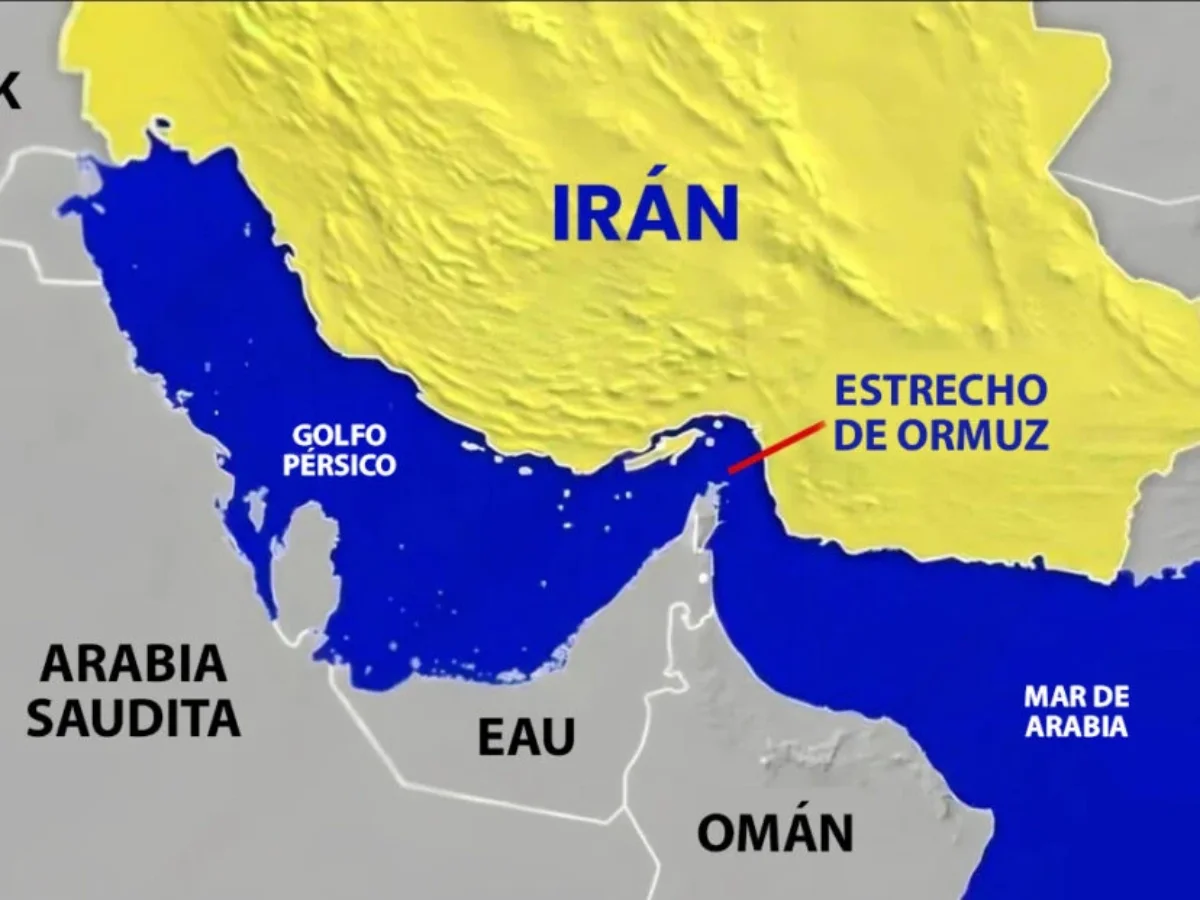
The message comes after a first round of negotiations held in Switzerland, where U.S. and Iranian representatives attempted to advance the implementation of the framework agreement reached last week. The pact aims to consolidate the ceasefire and gradually normalize commercial navigation in one of the world's most important maritime routes.