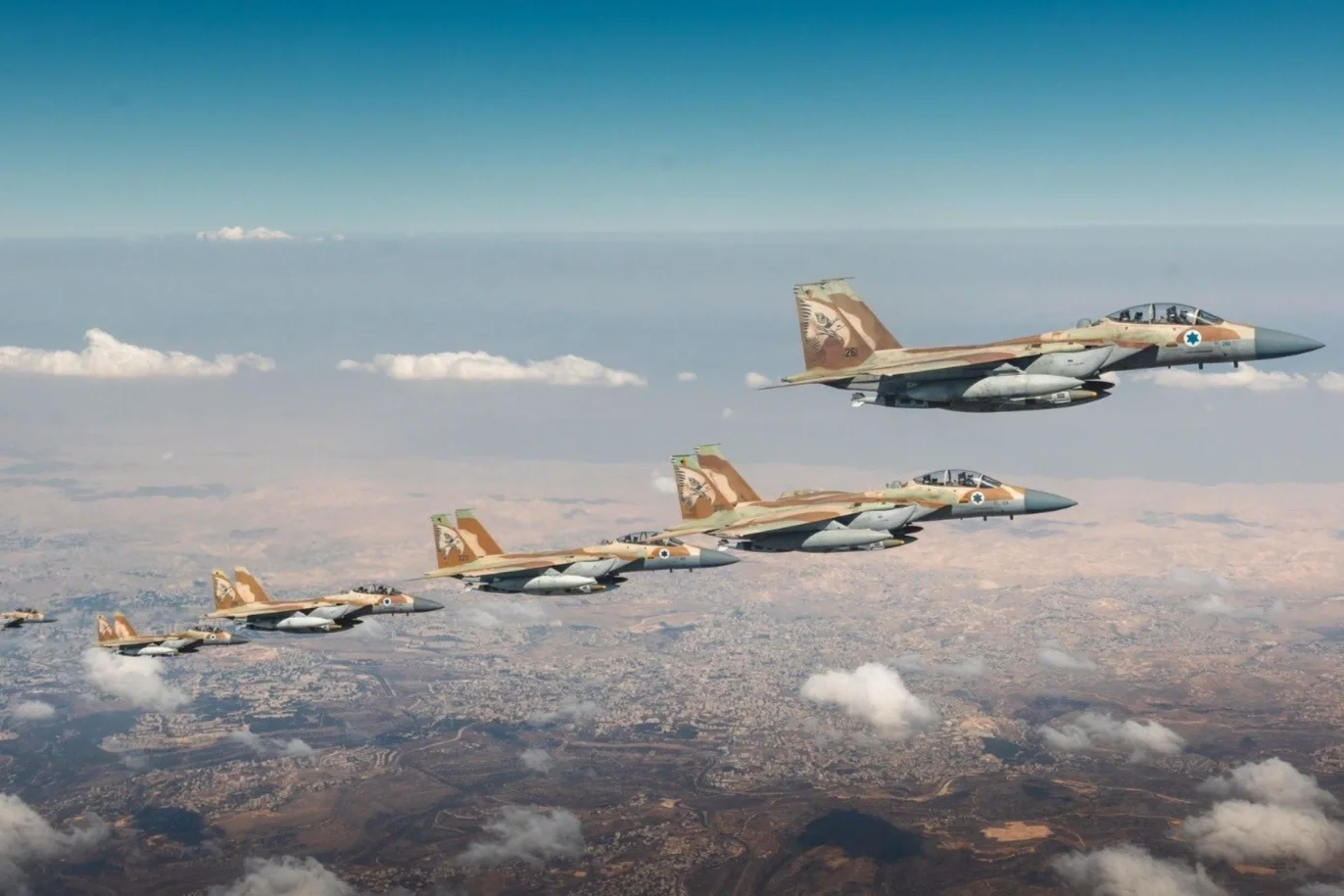
In a new operation aimed at neutralizing threats against northern Israel, the Israel Defense Forces confirmed an extensive wave of airstrikes against Hezbollah infrastructure in the Bekaa Valley and southern Lebanon.
More than a hundred targets linked to the terrorist group were hit overnight, including weapon depots, command centers, and observation positions used to plan attacks against Israeli soldiers and civilians.
The offensive focused particularly on the Bekaa Valley, a region that has functioned for years as one of Hezbollah's main logistical corridors, backed by Iran. There, the Israeli air force destroyed facilities used to store advanced weaponry, in an operation that security authorities described as “preventive and precise.”
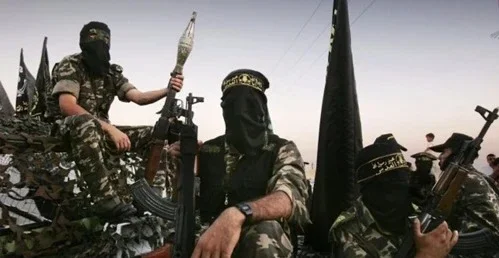
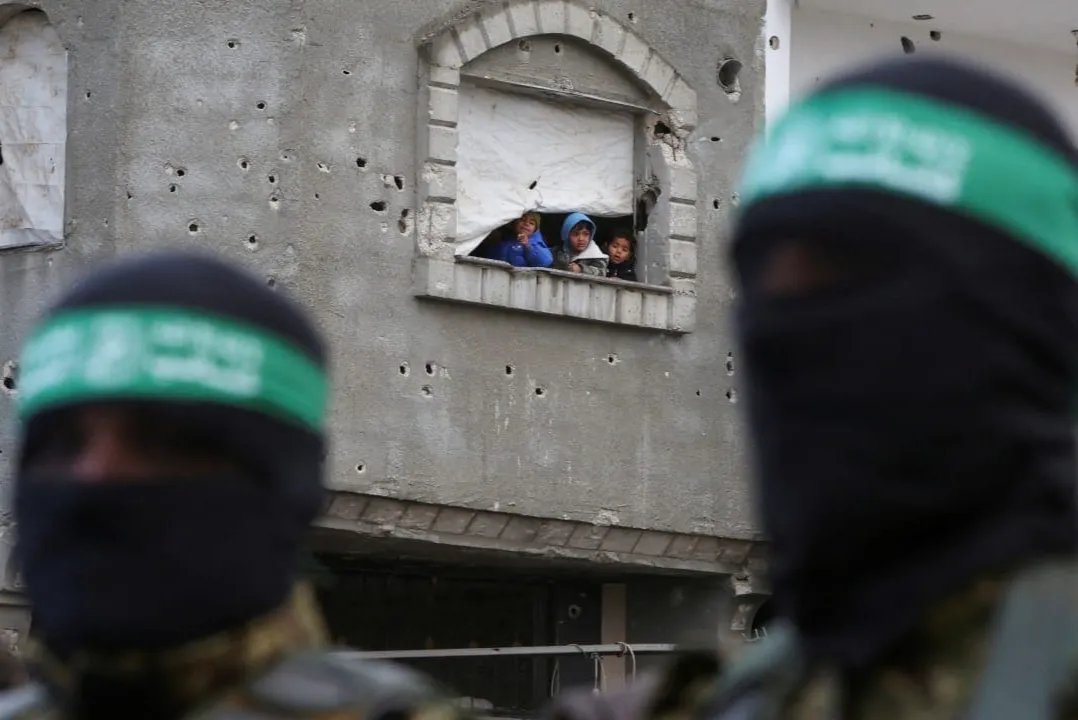
Hezbollah terrorists
In southern Lebanon, the IDF indicated that more than ninety sites used by Hezbollah to coordinate military operations near the Israeli border were attacked. Among the targets were observation posts, operational centers, and missile depots intended for future aggressions against communities in northern Israel.
One of the most significant episodes occurred in the Mashghara area, where images released by the army show multiple consecutive explosions over positions identified as terrorist infrastructure. According to the IDF, several Hezbollah operatives were present at the site at the time of the attack and were eliminated.
Israel maintains that Hezbollah continues to use civilian areas and populations in southern Lebanon to hide weaponry and deploy fighters, a strategy that, according to Jerusalem, endangers both Israeli citizens and the Lebanese population itself.
Defense officials emphasized that the operations aim to prevent new cross-border attacks and reduce the military capacity of the organization.
The escalation occurs amid rising regional tensions and while Hezbollah maintains constant activity against Israel since the onset of the war in Gaza. For Israeli authorities, allowing the group to continue strengthening its military infrastructure near the border would be tantamount to accepting a permanent threat to hundreds of thousands of Israeli civilians.