The German government will lift the partial suspension of arms sales after the 'ceasefire' in Gaza
Compartir:
The German government announced that, starting November 24, it will lift the partial suspension of arms sales to Israel imposed in August, a decision that Berlin directly links to the maintenance of the ceasefire reached last month in Gaza.
Government spokesperson Sebastian Hille stated that Germany will return to the usual "case-by-case" evaluation system to approve military material exports, emphasizing that the continuation of the truce is an indispensable condition.
According to Hille, the ceasefire "is the basis for this decision" and Berlin expects all parties to strictly fulfill the commitments made, which includes ensuring a broad and orderly flow of humanitarian aid to the Strip.
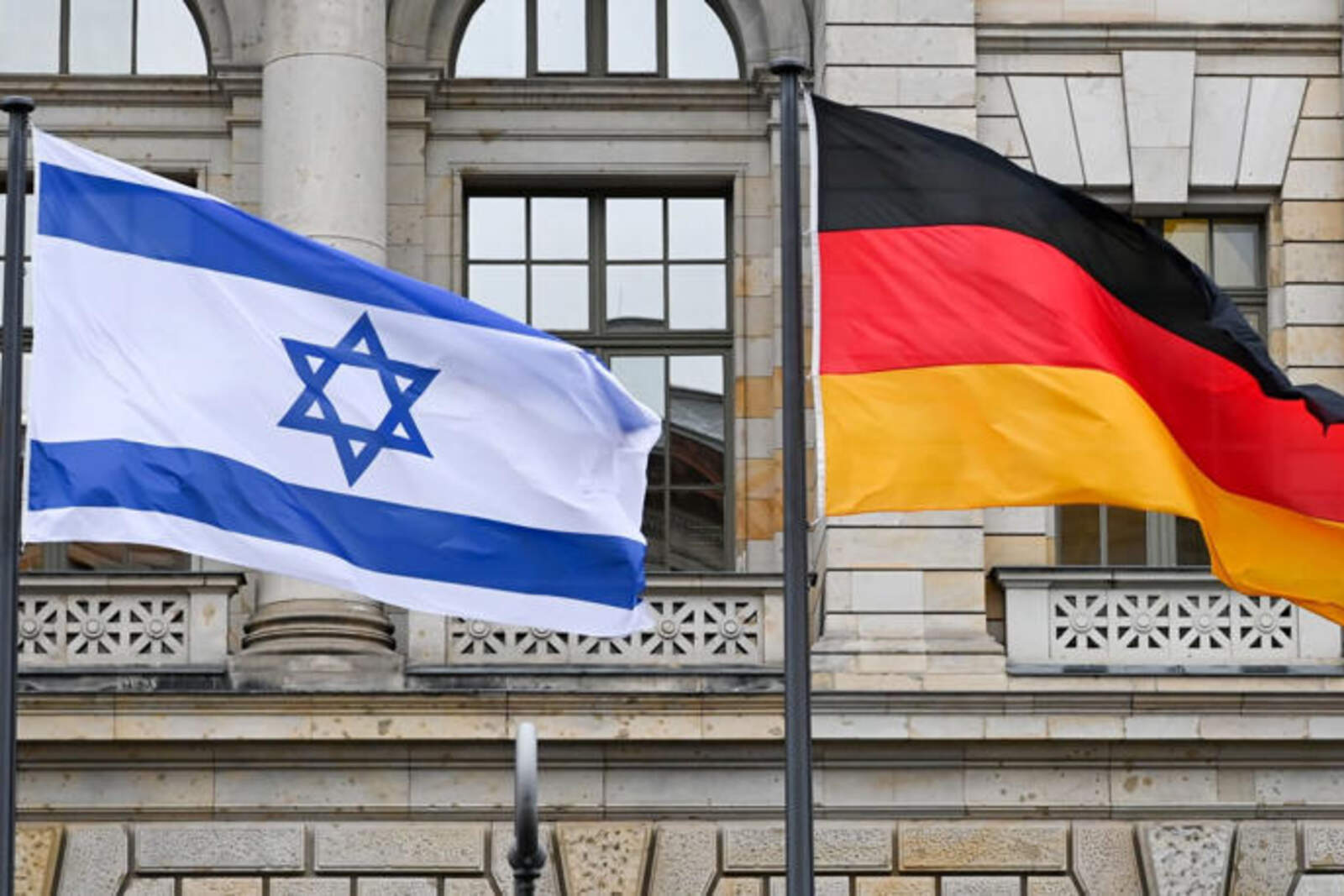
Flags of Israel and Germany
The official added that Germany remains committed to a lasting political solution to the conflict, based on two states, and to the reconstruction of Gaza once the situation has stabilized.
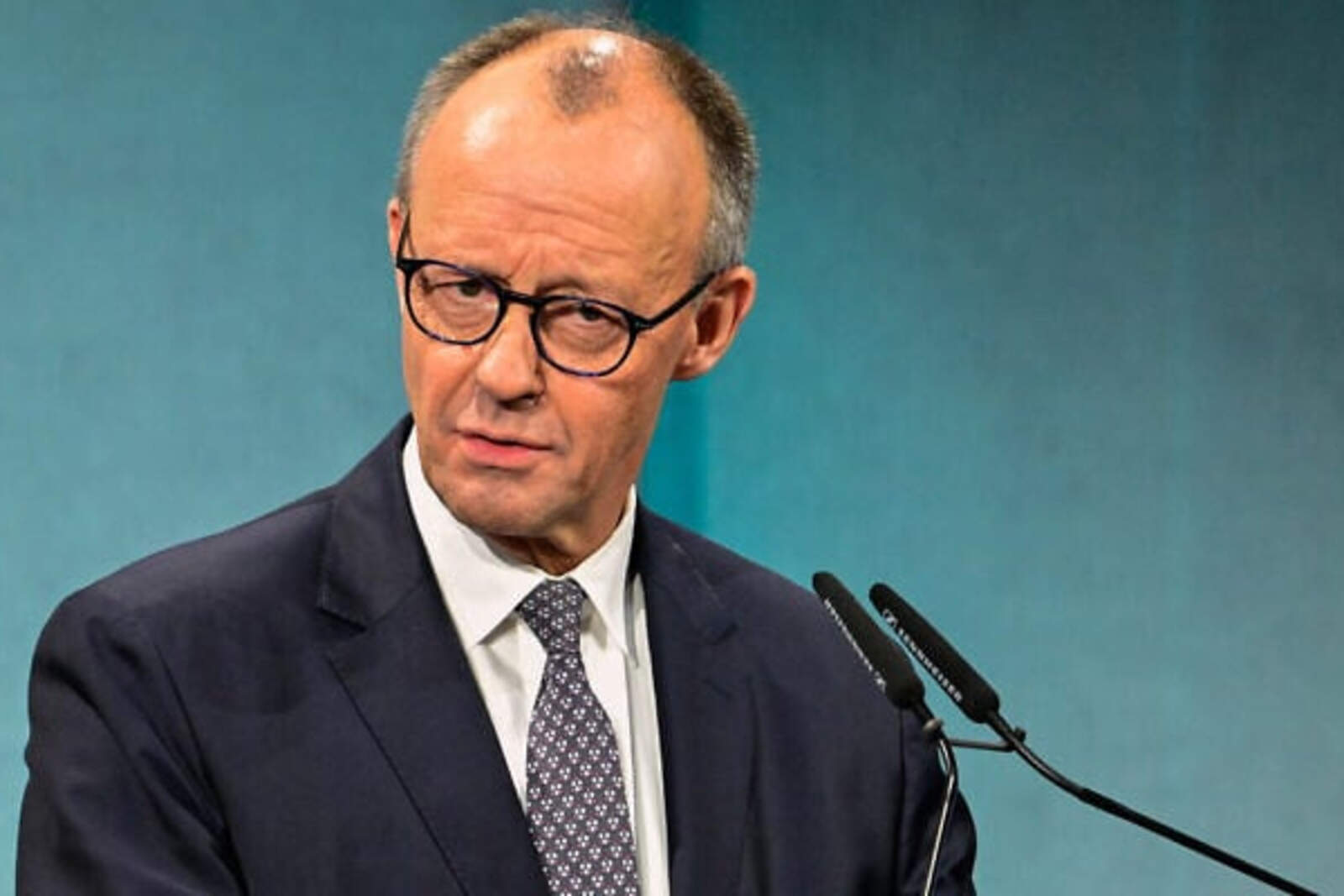
The announcement was received with satisfaction in Jerusalem. Israeli Foreign Minister Gideon Sa’ar welcomed the measure on the X network and called on other governments to "make similar decisions", highlighting Federal Chancellor Friedrich Merz's leadership in reversing what Israel had been describing as a "partial embargo."
The German decision represents significant support at a time of international recalibration regarding the conflict, given that Berlin is historically the second largest supplier of weaponry to Israel, after the United States, and its main ally within the European Union.
The suspension applied in August occurred after the Israeli cabinet's decision to advance on Gaza City in its war against Hamas.
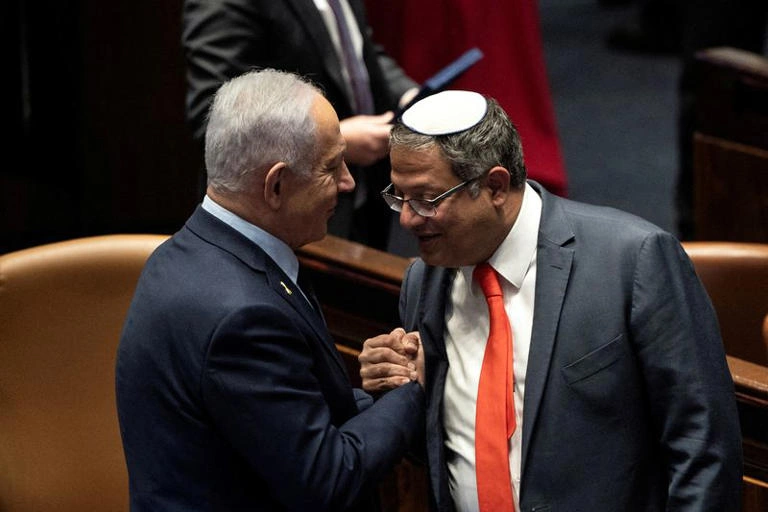
The diplomatic climate has changed in recent weeks. In the lead-up to the current announcement, Merz and Prime Minister Benjamin Netanyahu held a telephone conversation that the prime minister's office described as "good and friendly", focused on regional issues and the strategic stability of the area.
Between 2019 and 2023, Germany provided 30% of Israel's major arms imports, including Sa’ar 6 frigates used in operations related to the conflict.
The partial lifting of the export freeze contrasts with decisions adopted by other European countries: Spain recently approved a "total embargo," while Italy, Canada, the Netherlands, Belgium, and the United Kingdom established more limited restrictions.
With this shift, Berlin seeks to balance its historical responsibility, its strategic alliances, and the need to preserve an opportunity—perhaps fragile—for lasting stability.
The return to arms trade with Israel thus represents not only a diplomatic gesture, but also an explicit recognition of Israel's right to guarantee its security in a still uncertain context.