The Pentagon is considering a stronger attack on the extremist Islamic regime
Nuevo
Agregar La Derecha Diario en
Compartir:
As tension with Iran continues to escalate, new revelations about U.S. military planning suggest that Washington is evaluating stronger, if still limited, options to curb Tehran's strategic capabilities.
According to different sources, the Pentagon is preparing a possible ground operation against Iranian targets that could last for several weeks, should President Donald Trump decide to move in that direction.
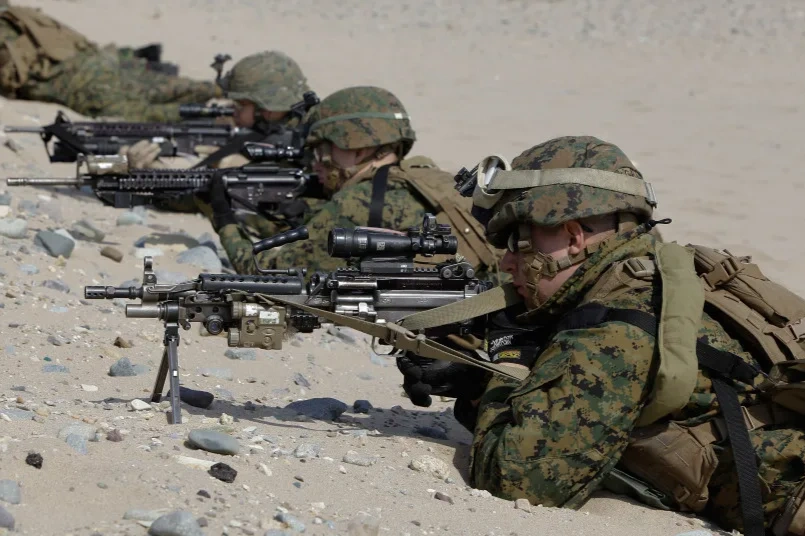
This would not be a full-scale invasion, but rather surgical missions: special operations and infantry deployments with specific objectives, designed to neutralize key points in the Iranian military infrastructure.
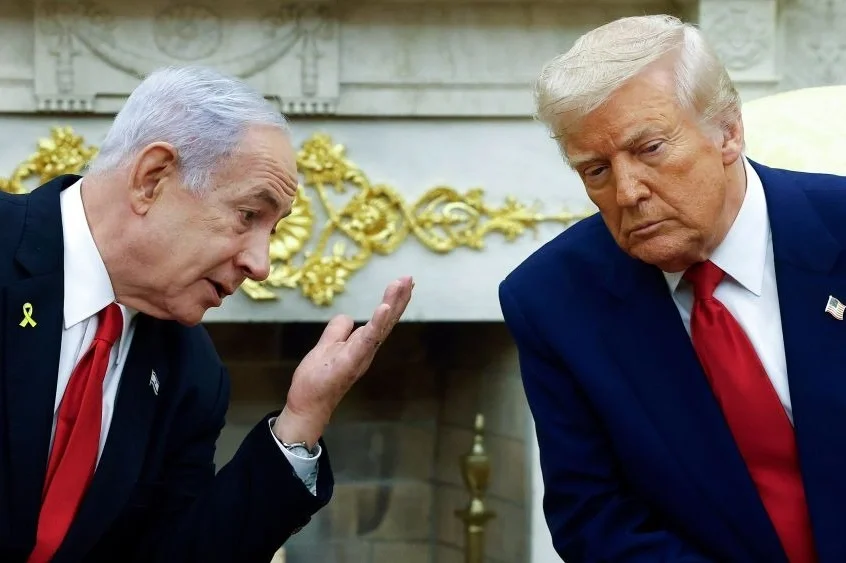
From the White House, spokeswoman Karoline Leavitt sought to lower the tone of urgency, clarifying that military preparation does not imply a decision taken. “It's the Pentagon's job to offer the commander in chief the maximum range of options,” he said, stressing that the final decision has not yet
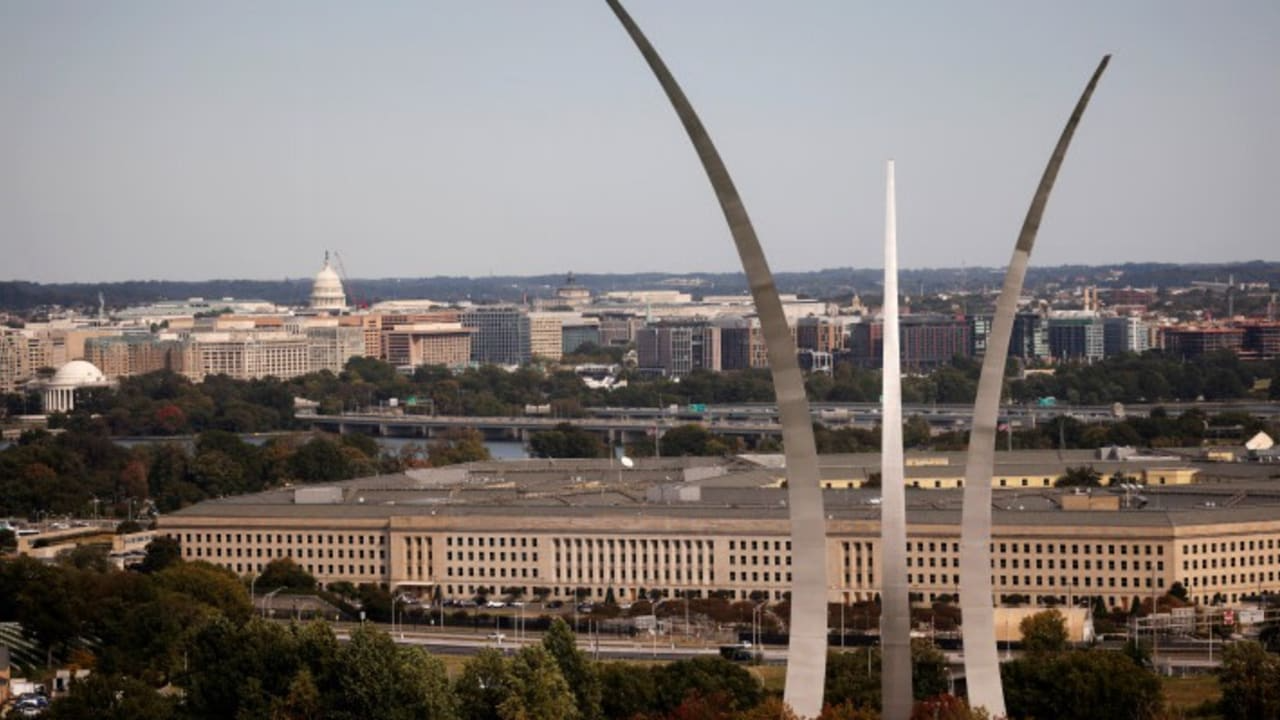
been taken. The headquarters of the Pentagon
However, movements on the ground indicate an acceleration in preparation. An expeditionary contingent comprised of some 2,500 marines and a similar number of sailors recently arrived in the Middle East aboard the USS Tripoli, reinforcing the U.S. military presence in an already highly volatile region
.
One of the possible targets under consideration is Kharg Island, Iran's main oil hub. Approximately 90% of the country's crude oil exports pass through this strategic enclave before being sent abroad
.
The importance of this point is no less important: affecting Kharg would involve directly hitting the economic backbone of the Iranian regime. However, the complexity of such an operation is significant. The island was already the target of attacks on March 13, although on that occasion, according to Trump's statements, it was decided to avoid damage to oil infrastructure
.
Military experts warn that a landing in Kharg would entail high risks. Michael Eisenstadt, director of the Military and Security Studies Program at the Washington Institute for Near East Policy, noted that an operation in such a small space would expose U.S. forces to massive drone and Iranian artillery attacks
.
In this context, some analysts believe that there are smarter and less risky alternatives. These include attacks on coastal facilities near the Strait of Hormuz, a vital artery for global energy trade. In fact, the US Central Command already carried out an operation on March 18 in that area, using high-penetration bombs to destroy Iranian missile sites
.
From a strategic perspective, this approach aims to limit Iran's ability to threaten international navigation and destabilize the energy market, without the need to commit forces to a high-risk ground operation.
In short, as Washington evaluates its next steps, the message seems clear: in the face of growing Iranian aggressiveness, the United States, in coordination with its allies, seeks to maintain the initiative, combining precise military pressure with operational caution. The region, meanwhile, remains in a delicate balance, where each movement can redefine the course of the conflict