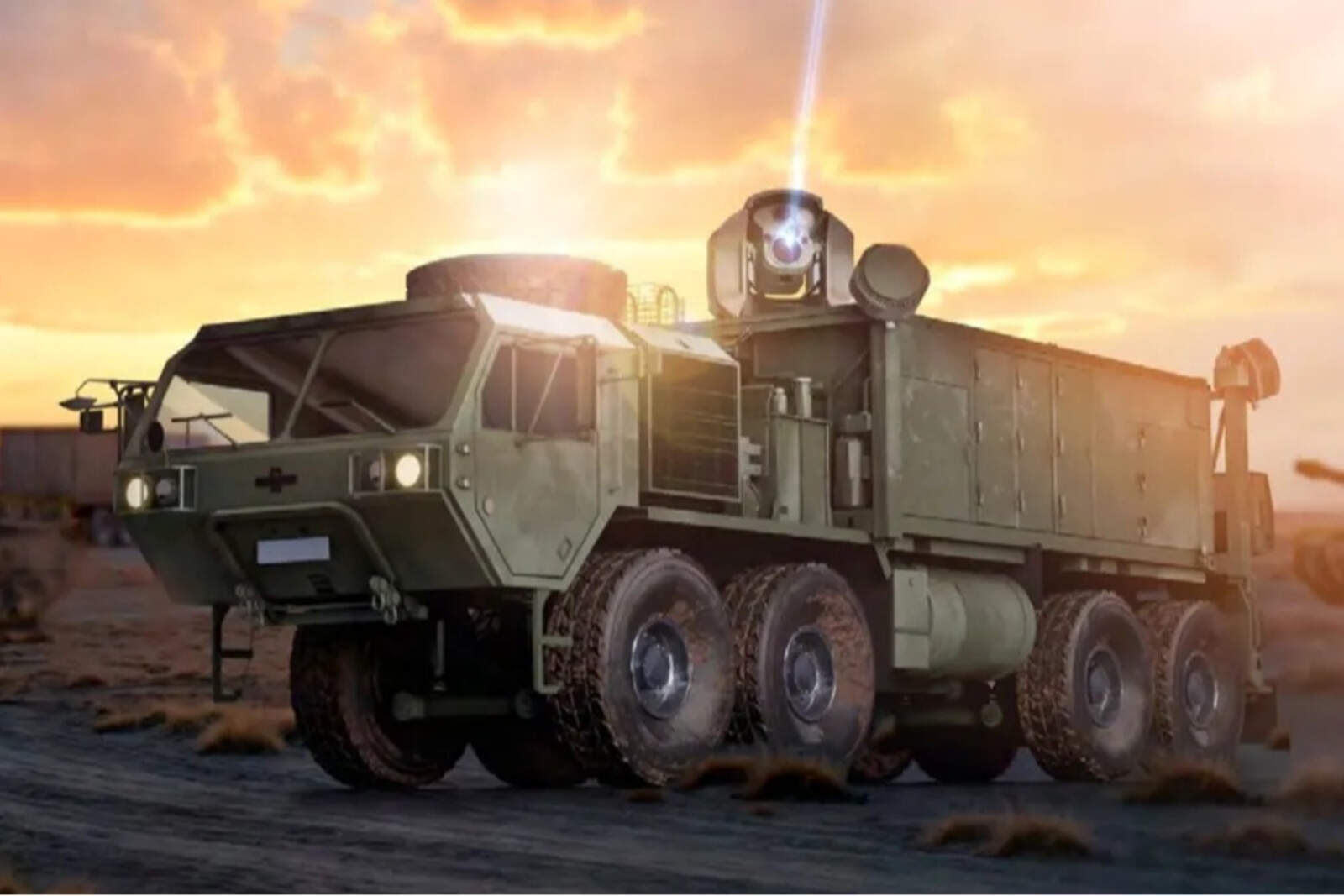
The Israeli Ministry of Defense and U.S. officials announced a major boost to the production of the Iron Dome, Iron Beam, and David’s Sling systems, which are central elements of Israel's air defense.
This measure responds to the lessons learned from the 2023-2025 war, when Israel had to intercept tens of thousands of rockets and drones launched by terrorist organizations in Gaza and Lebanon. The goal is to prevent the country from facing a shortage of interceptors in the event of massive attacks in the future.
The Director General of the Ministry of Defense, Major General (Res.) Amir Baram, stated that Israel is committed to strengthening the IDF's preparedness in an increasingly complex security environment.
"The Iron Dome has transformed the battlefield, showing unprecedented interception capabilities," he noted. He also explained that the new investment, together with joint production with the United States, will reinforce the country's multi-layered defense and strategic stability.
The signing of the agreement took place in the presence of the Minister of Defense, Israel Katz, senior military research and development officials, representatives of the U.S. Department of Defense, and executives from Rafael, the company in charge of the system.
The incorporation of Iron Beam
One of the most notable points is the imminent arrival of Iron Beam, the world's first operational laser system for air defense. Yoav Tourgeman, President and CEO of Rafael, indicated that the system is in its final stage of development and will begin to be progressively integrated during 2025 and 2026.
According to Tourgeman, this expansion of production demonstrates renewed confidence in Iron Dome and Rafael's central role in Israel's security.
The U.S. aid package approved in 2024, for 8.7 billion dollars, includes 5.2 billion allocated exclusively to strengthening air defense systems, including Iron Beam itself and David’s Sling.
A system tested under fire
The Ministry of Defense highlighted that Iron Dome has shown outstanding performance during the recent war, protecting the population from rockets, missiles, drones, and cruise missiles. Although at certain times it had difficulties detecting small Hezbollah drones, the IDF replied by improving its sensors and reintroducing complementary technologies, such as the Vulcan anti-aircraft cannon.
Parts of Iron Beam were already deployed in October 2024, and its full integration will continue in the coming years. The acceleration of production, together with strategic cooperation with the United States, ensures that Israel keeps the world's most advanced air defense and the ability to protect its population from any future threat.