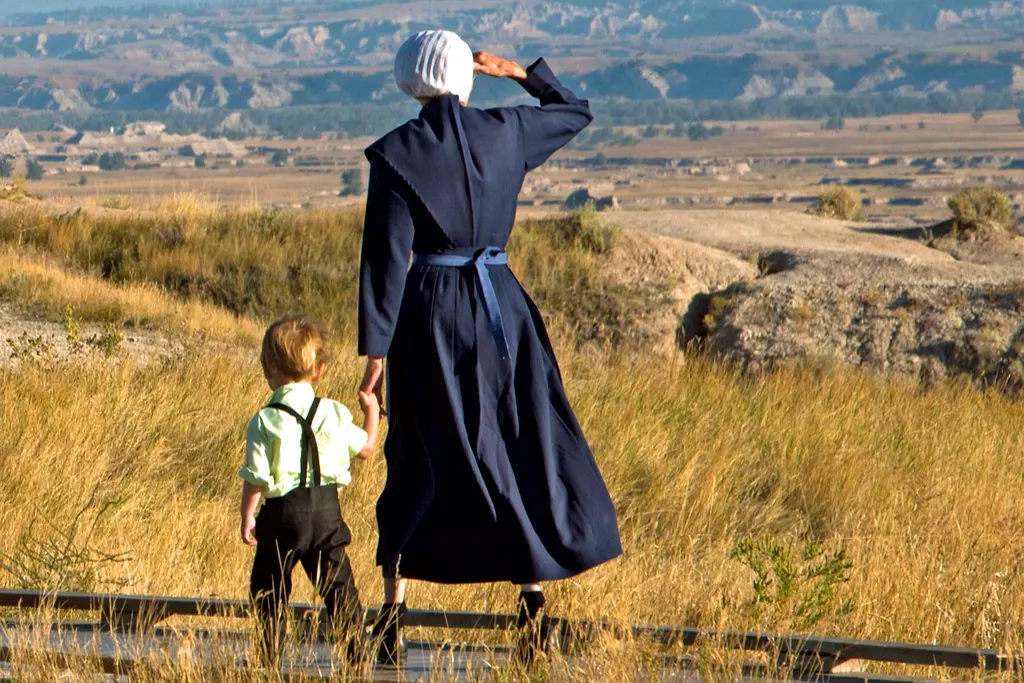
There are defeats that are accepted and defeats that strip bare. The one suffered by the Uruguayan state against eleven Mennonite children from Florida belongs to the second category. Because what came after the Supreme Court ruling was not a debate. It was an institutional tantrum.
Let’s review the facts, because they are brutal in their simplicity. The ANEP took a group of families to court for how they educated their children. It lost in the first instance. It lost on appeal. It lost in the Supreme Court of Justice. Three courts, reports from INAU, testimonies from the children themselves, and a conclusion that was repeated each time: these kids receive an education, attend class, pass, and perform well. No one found a single violated right.
The state sought a victim and did not find one. So it decided to fabricate a law.
Mahía or the involuntary confession
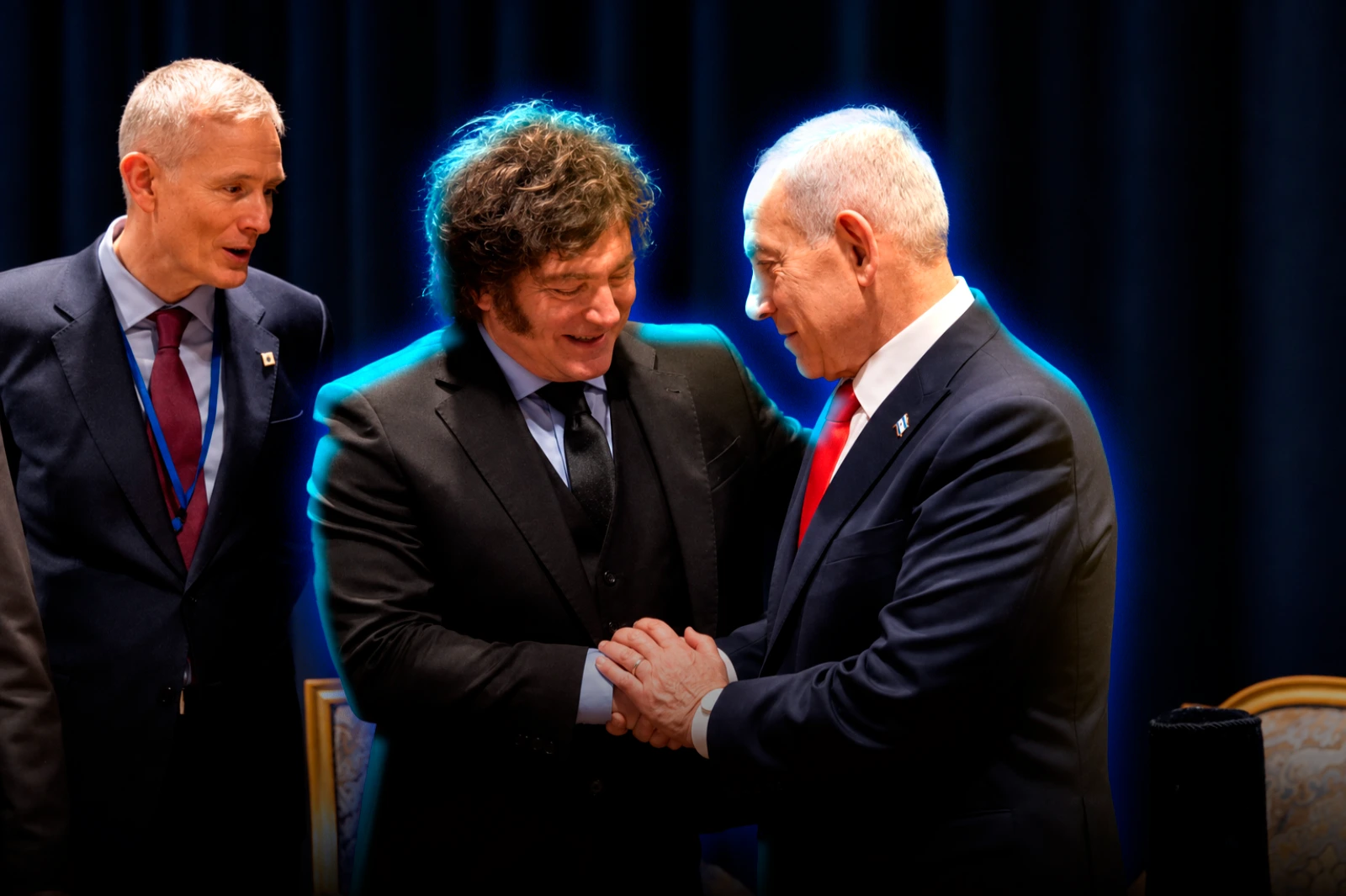
Minister José Carlos Mahía was the first to speak out. He wants to repeal Article 127 of the LUC because, according to him, it promotes "an individualistic and isolated conception of society."
Read that sentence again, because it contains everything. The minister did not say that the children do not learn, because Justice proved to him three times that they do learn. He did not say they are in danger, because INAU went, looked, and ruled out any risk. His objection is different: that they learn away from the state. That a family dares to educate their children without asking for permission from Codicen.
For Mahía, parental freedom is called "individualism." The faith of a community is called "isolation." It is the usual vocabulary of those who believe that children are, above all, students of the state, and only afterwards children of their parents.
The minister invokes "the best historical values of Uruguayan education." Curious, because the oldest of those values is written in Article 68 of the Constitution: the freedom of teaching and the right of every parent to choose the teachers or institutions they wish. Mahía does not mention it. It is understandable. It is the article that just defeated him.
And there is something even more uncomfortable. The system that Mahía presents as irreplaceable is the same one in which more than half of the children finish second grade without improvements in reading and writing, according to data from ANEP itself. A state that cannot ensure that half of its students progress in reading seeks to pursue a rural school where the kids pass. It is not an educational policy. It is a reflection of power.
Robert Silva: the LUC was good until someone used it
If Mahía's actions are predictable, Robert Silva's are unforgivable from his own trench.
Silva presided over Codicen during the government that approved the LUC. His party voted for it. His coalition defended it in the streets against a referendum, promising freedom. And today, in the face of the first real case in which that freedom protects a specific family, Silva rushes to seek votes from other parties to dismantle it.
His reaction to the ruling portrays him fully: "I never thought that the Supreme Court of Justice could rule as it did." A senator of the Republic surprised that the Court applies the Constitution and a law that his own party approved. The question is inevitable: what did Silva think he was voting for? Decorative freedom of teaching, for campaign speeches, but never for someone to exercise it?
His star argument is that the school detects abuses and negligence. It sounds noble, until one remembers that in this case the oversight existed, it was done by INAU, and found nothing. What Silva proposes is not to protect these children, who are already protected. It is to establish as a principle that every parent is a suspect until a licensed building proves otherwise. It is the state treating families as presumed guilty.
And the chosen method makes it worse. Silva does not propose a straightforward debate on the freedom of teaching. He seeks to insert the reversal into his project of compulsory education from the age of three. It is not legislative courage. It is a normative smuggling to gain in Parliament what he could not defend in the courts.
Legislating against the Constitution
Here is what neither of them wants to say out loud. The Court based its decision on Article 68. A law does not repeal the Constitution. As Pablo Da Silveira, one of the authors of Article 127, explained, the LUC did not remove a constitutional duty to educate: it removed a requirement that conflicted with the Constitution.
Repealing Article 127, then, resolves nothing. It reinstalls a norm of dubious constitutionality and guarantees the next trial. Mahía and Silva know this, or should know it. And yet they are willing to legislate against the Charter rather than accept that the state lost.
Today it is the Mennonites. Tomorrow it could be you.
Let no one be confused: this does not end in Florida. The ANEP has already acknowledged that it has three other judicial cases of home education, and they are no longer all Mennonites. The precedent they seek to rewrite is not about a religious colony. It is about any Uruguayan family that one day decides that the state system is not up to the task for their children.
The message from power is transparent: your rights matter as long as they do not cause discomfort. If you win in court, we change the law. If the Constitution protects you, we legislate over it.