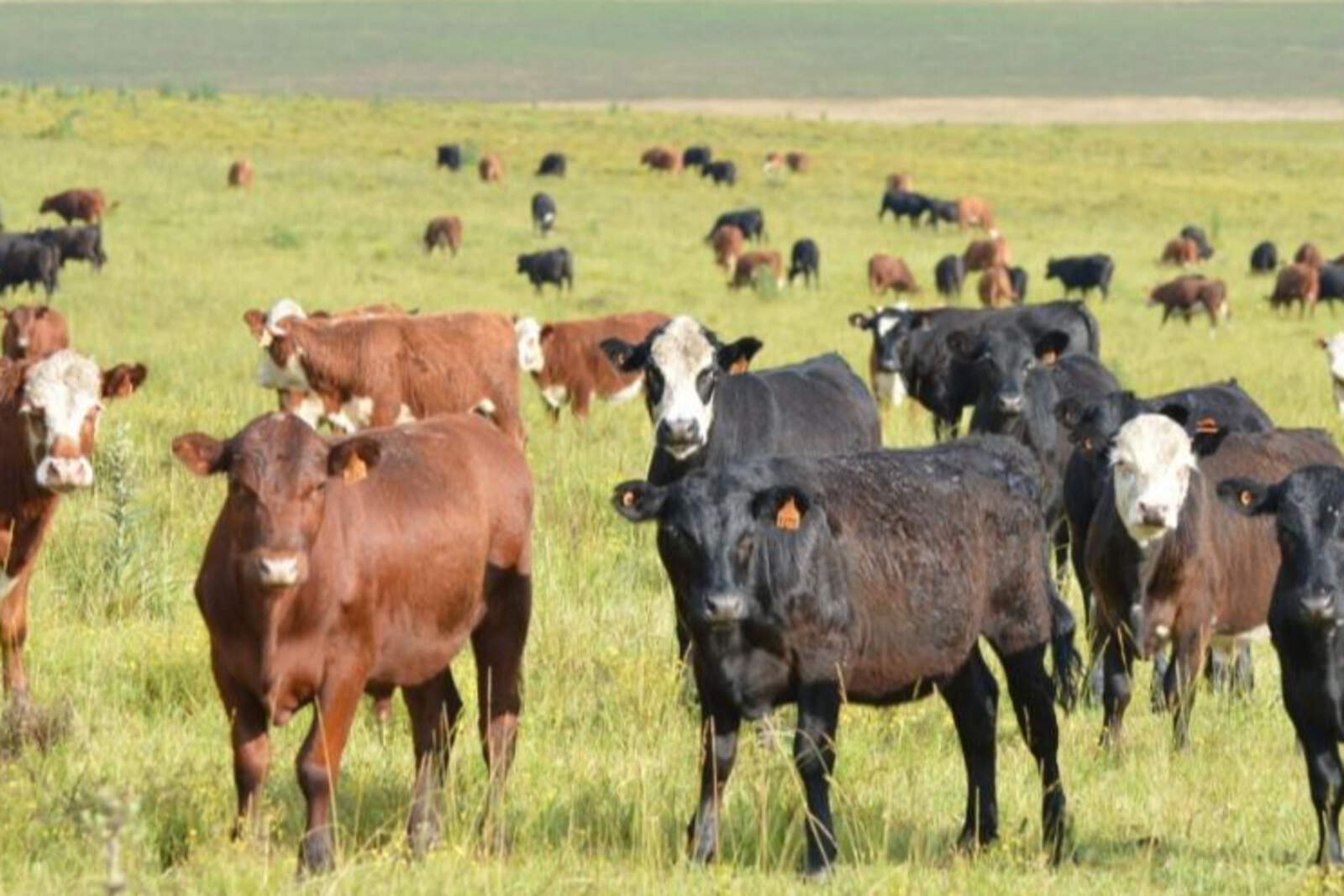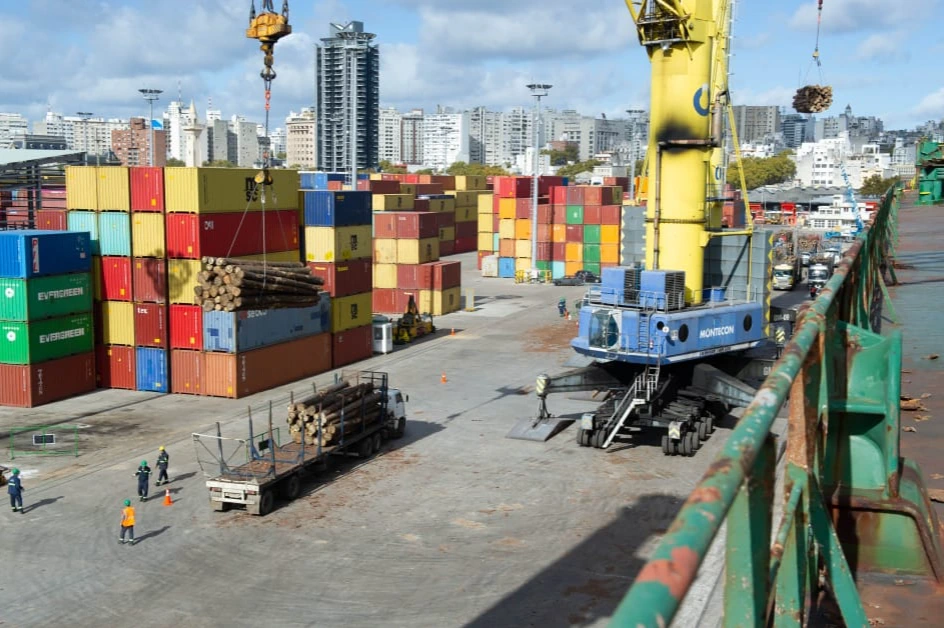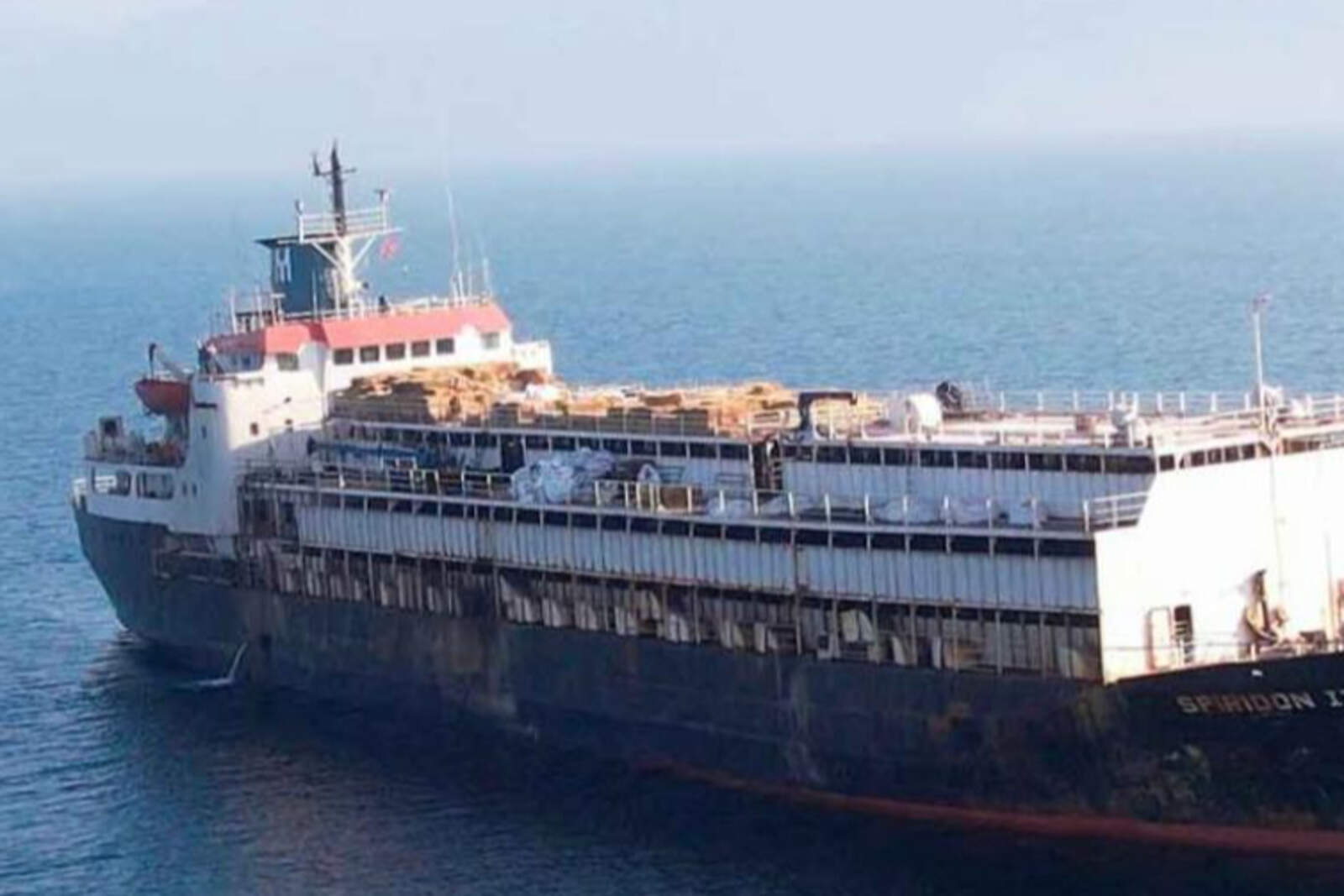

The Panamanian-flagged vessel Spiridon II is sailing back to the port of Montevideo with 2,901 cattle on board after spending 25 days anchored off the Turkish port of Mersin, unable to unload its cargo.
What was supposed to be a routine commercial operation turned into a preventable tragedy that once again exposes the hidden costs of state bureaucracy and the monopoly on health certifications.
What really happened?
The ship departed on October 23 from Montevideo bound for Türkiye for fattening. Turkish authorities rejected the unloading for two main reasons:
-Irregularities in the international health documentation.
- A commercial dispute between the Turkish importer and the Uruguayan exporter that voided the original contract.
The Ministry of Livestock, Agriculture and Fisheries (MGAP) confirmed that the veterinary certificates issued by the Uruguayan state did not meet Türkiye's requirements.
In other words: the document that the public official signed and charged for was worthless.
For nearly four weeks, the animals exhausted the planned food supply. At least 40 confirmed deaths have been reported, calves born at sea, extreme overcrowding, and a level of stress that animal welfare organizations describe as a "floating hell."
The return will take another 20 to 25 days. Without a logistical miracle, most will not arrive alive.
The real culprit is not the market, it's the State
This is not a "failure of cruel capitalism." This is a classic example of how state intervention creates tragedies that are then used to call for... more state intervention!
1. MGAP has an absolute monopoly on international health certificates.
No private exporter can issue them or hire an independent laboratory.
If the certificate was wrong, why did they sign it and let the ship leave? The businessman paid fees, inspections, and trusted that the state's document was worth something. It turned out to be worthless paper. The state charged for a service it did not provide correctly and now washes its hands of the matter.
2. Regulation paralyzes and creates perverse incentives. In a free market, exporter and importer negotiate directly the format of the certificate and assume the contractual risk.
With the current system, both depend on the state office that takes time, makes mistakes, and never takes responsibility for its errors.