The current Minister of Labor and Social Security from Frente Amplio has always presented himself as a fierce opponent of the civic-military government that was established in Uruguay in 1973.
That period of government ended in 1985 with the inauguration of President Julio Sanguinetti, elected in the November 1984 elections.
According to the internet blog of list 1001 Castillo, "On January 4, 1978, at the age of 21, he started working at the Port of Montevideo, in the Dredging Sector."
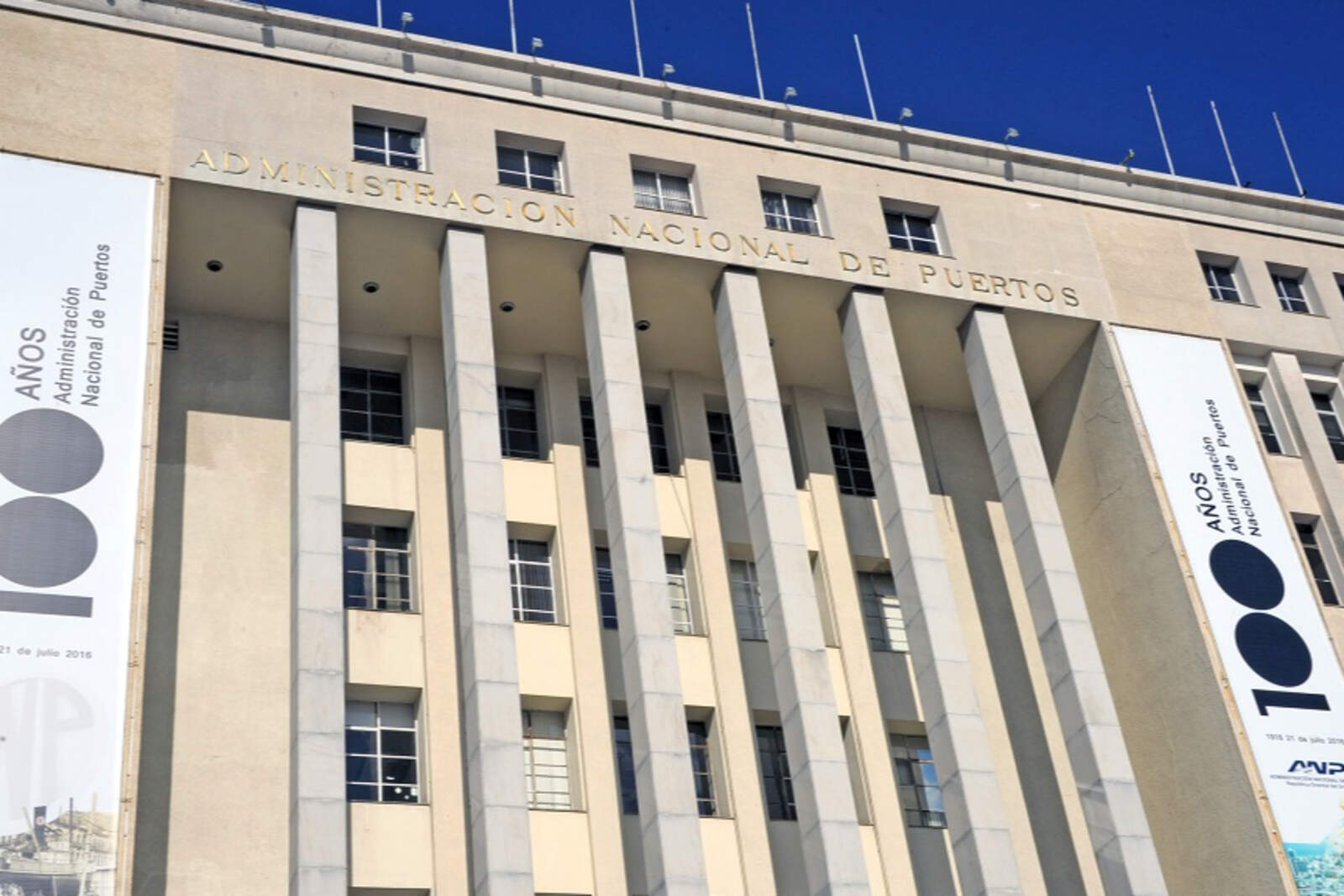
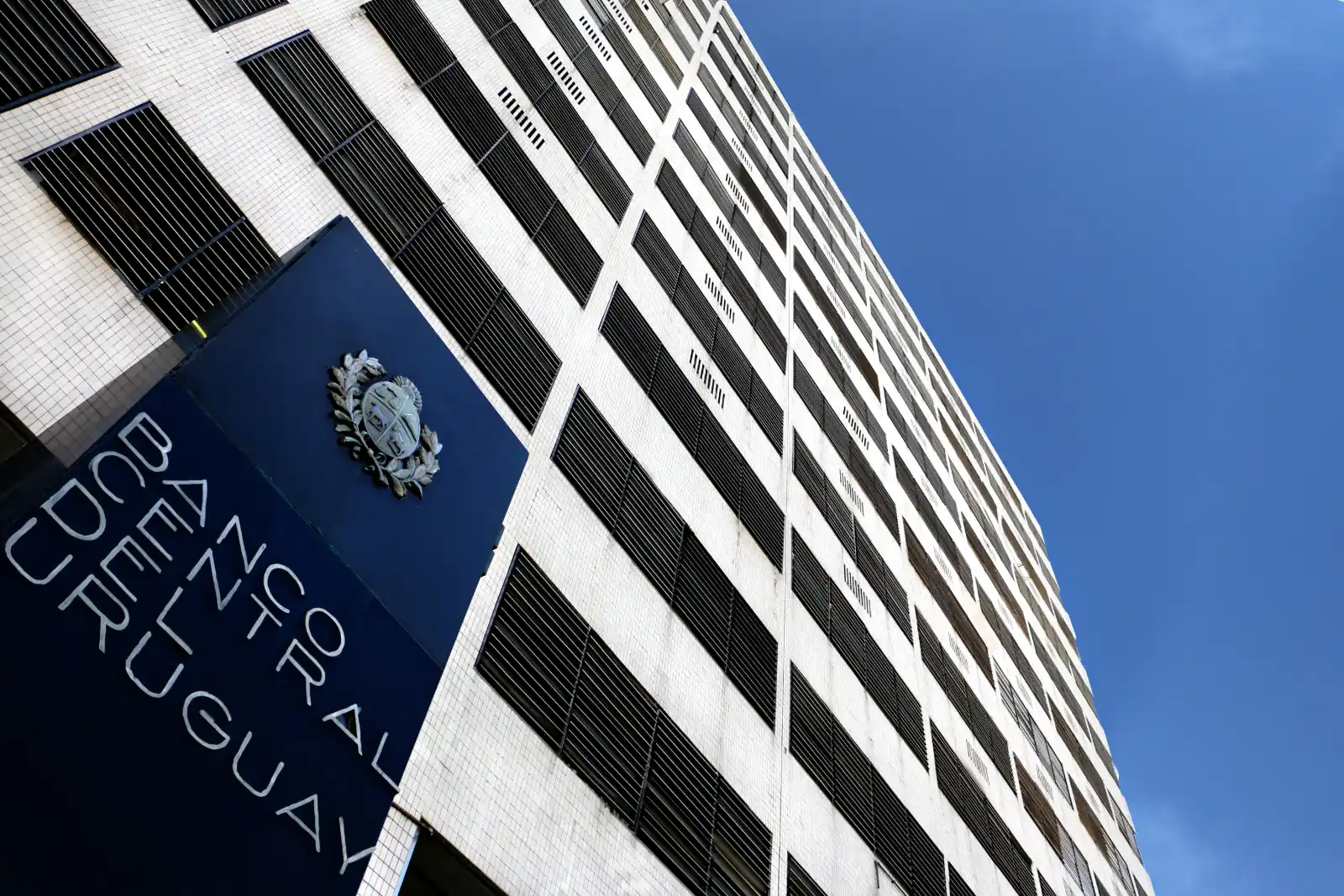
Edificio de la ANP
He was an employee of the National Port Administration for many years.
Enjoying union leave
The truth is that he actually worked for a very short time because the vast majority of his professional career was spent on unionleave.
This means that he received his salary but never attended the workplace.
It is common in Uruguay for public employees who are unionists to get paid without working.
What is striking is that Castillo, a member of the Communist Party (PCU), has always had a harsh discourse against the de facto government, but he himself joined as a public employee in the National Port Administration in 1978, right in the middle of the civic-military period.
A great mystery
As is known, between 1973 and 1985 Uruguayan citizens were classified into three categories: "A," "B," and "C."
The "A" category included those who were aligned with the government, or at least were not opponents.
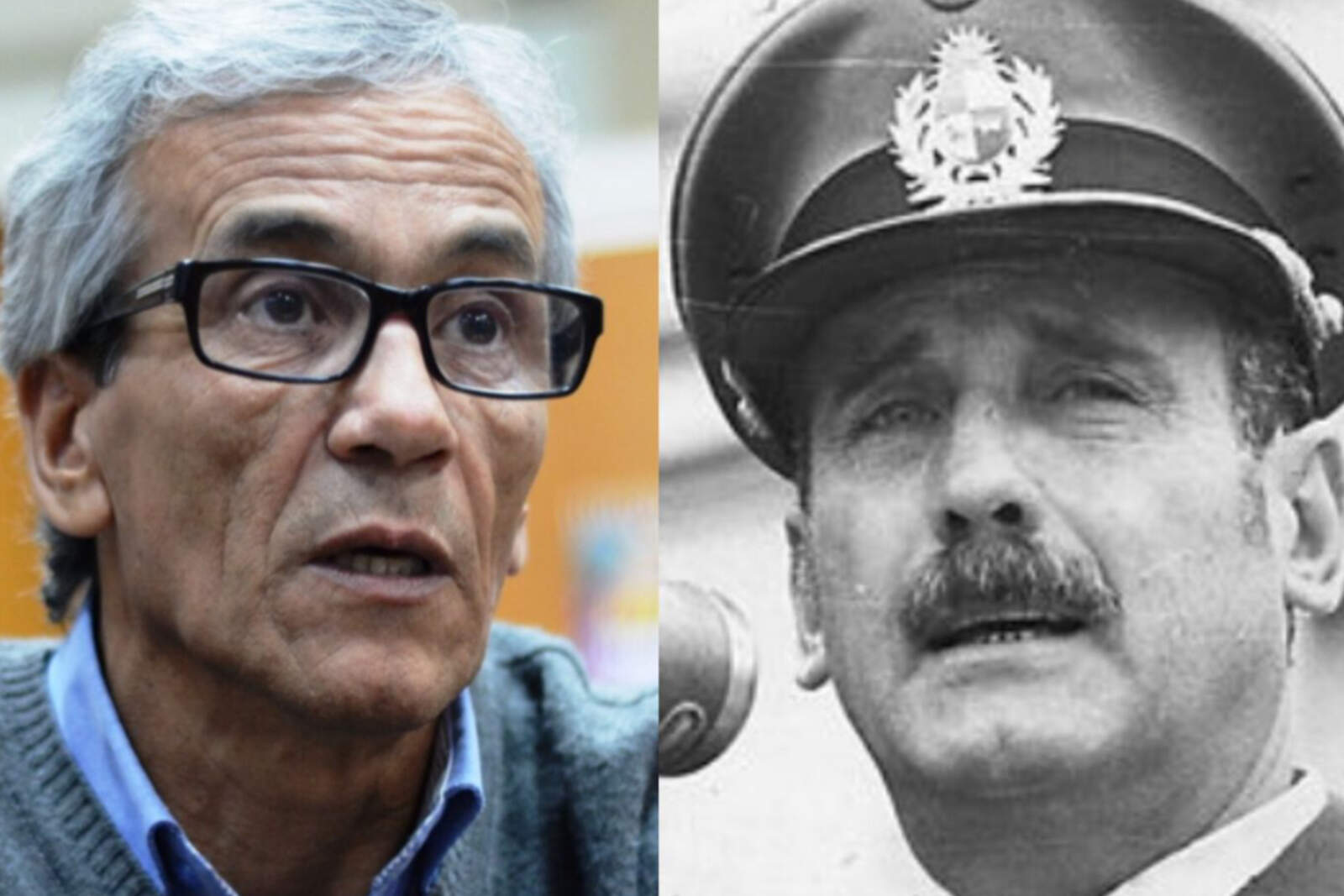
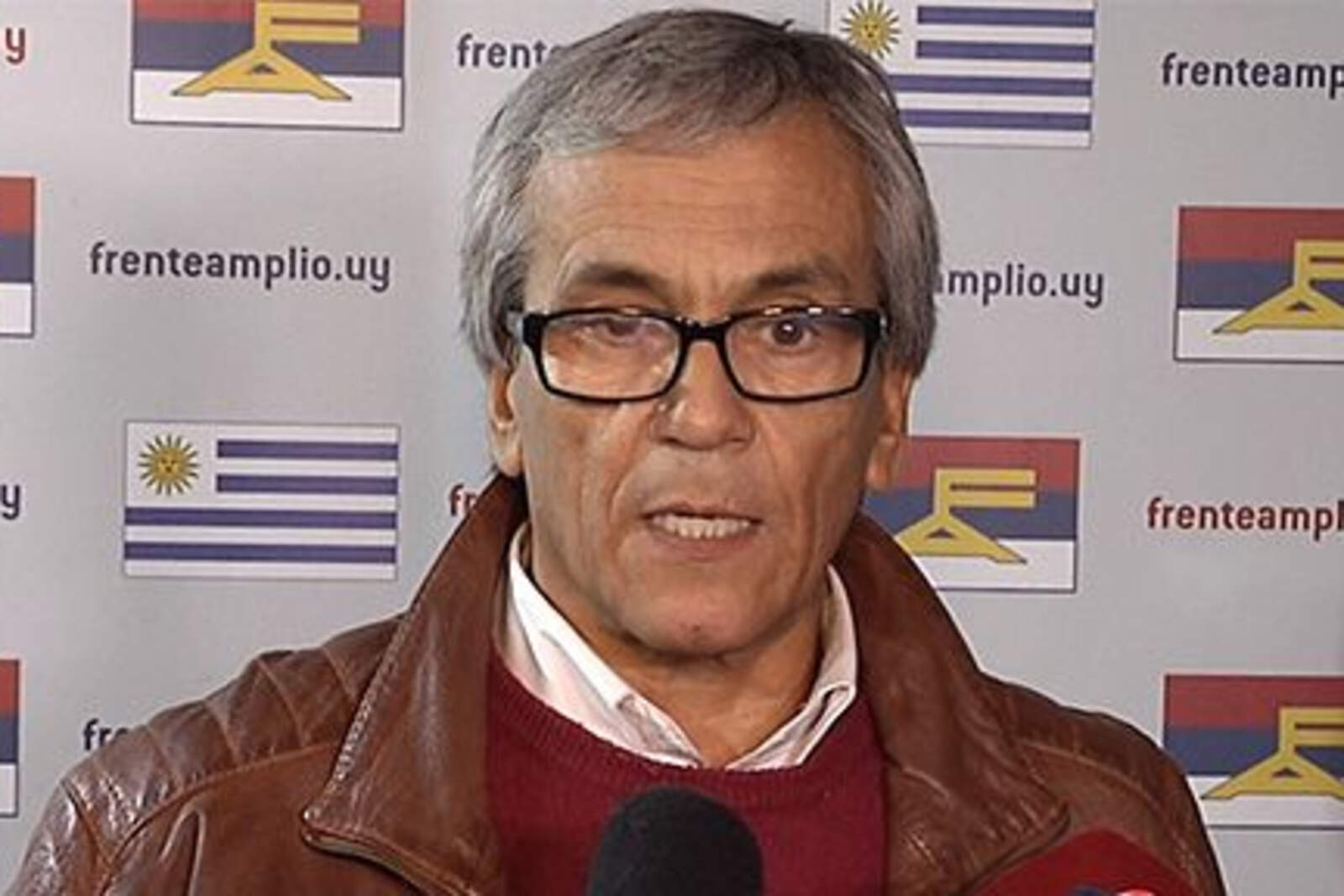
Juan Castillo
The "B" category included those whose alignment with the regime was in doubt, and the "C" category included those who were clearly against the civic-military government.
However, Castillo joined as a public employee in 1978. Therefore, he enjoyed category "A" status.
Friend of Goyo Alvarez?
No one knows how he joined as an employee of the National Port Administration, since in 1978 there was no public call and no lottery.
The only way to become an employee was to have a friendship with a high-ranking military officer, whether a colonel in the Army or a navy captain in the Navy.
The fact is that Juan Castillo joined as an employee that year and was never bothered.
During the administration of General Gregorio "Goyo" Alvarez in the early 80s, he had no problems in his capacity as a state employee.
Until 1985, he worked at the port without any kind of issues. From that year onward, he began his union activity already in democracy, and of course his political activity in the PCU.
It is extremely striking that in 1978 he joined as a public employee when that year the only way to enter public administration was through affinity with a high-ranking military official.
All very suspicious
To this day, the communist Juan Castillo has not explained how he managed to join as a public employee during the civic-military government.
No one knows how he became a public employee in a state agency that did not make any public call and did not hold any lottery.
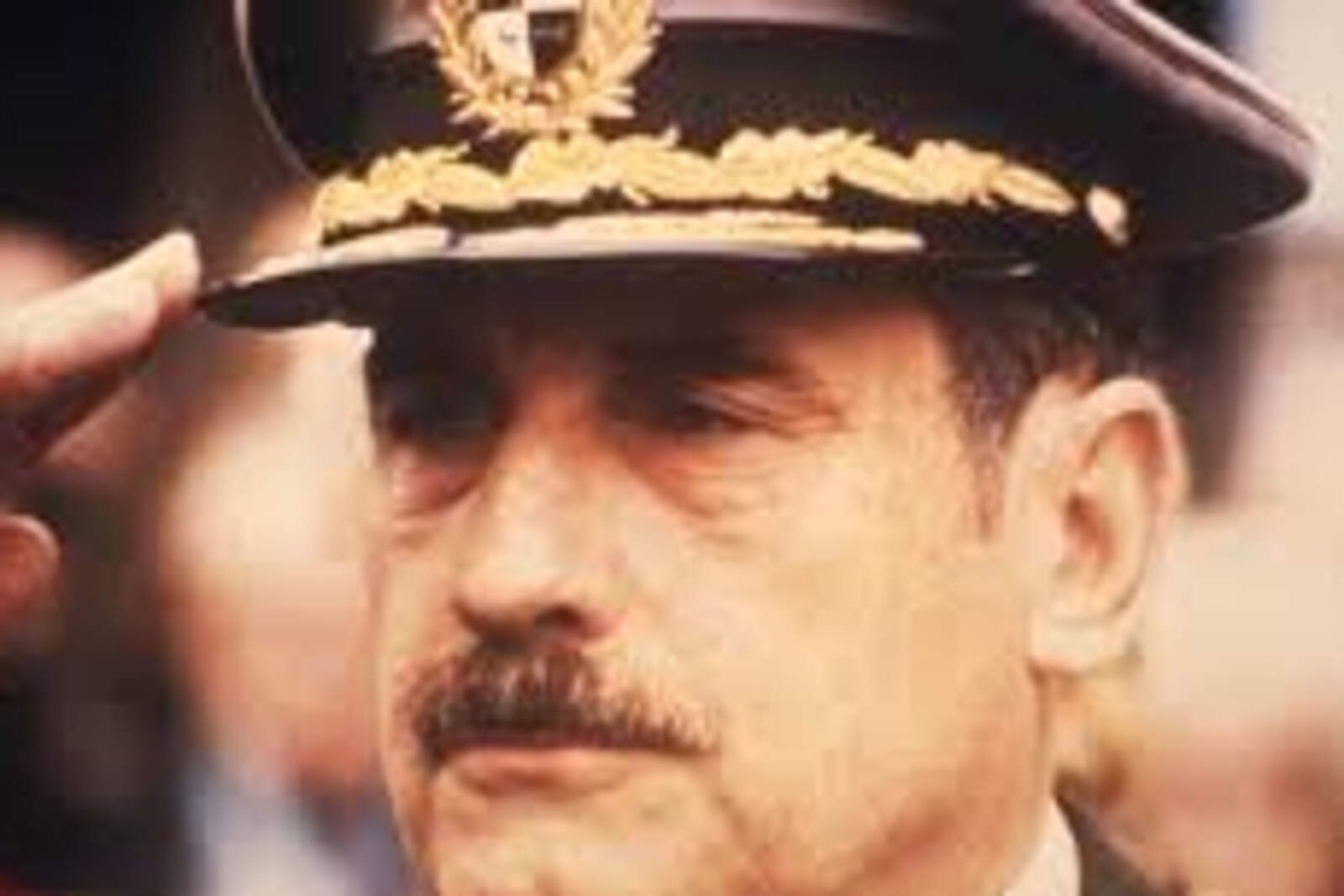
Gregorio "Goyo" Álvarez
It is also a mystery how between 1978 and 1985 he was never bothered as a port employee, when hundreds of public employees were detained for minor issues.
Why between 1978 and 1985 did the civic-military government never bother him when other activists were routinely detained?
Castillo's case doesn't add up in any way.
He joined as a public employee with a decent salary during the civic-military period, and for years that government never made him uncomfortable.
However, he later appeared as a fierce critic of the dictatorship.