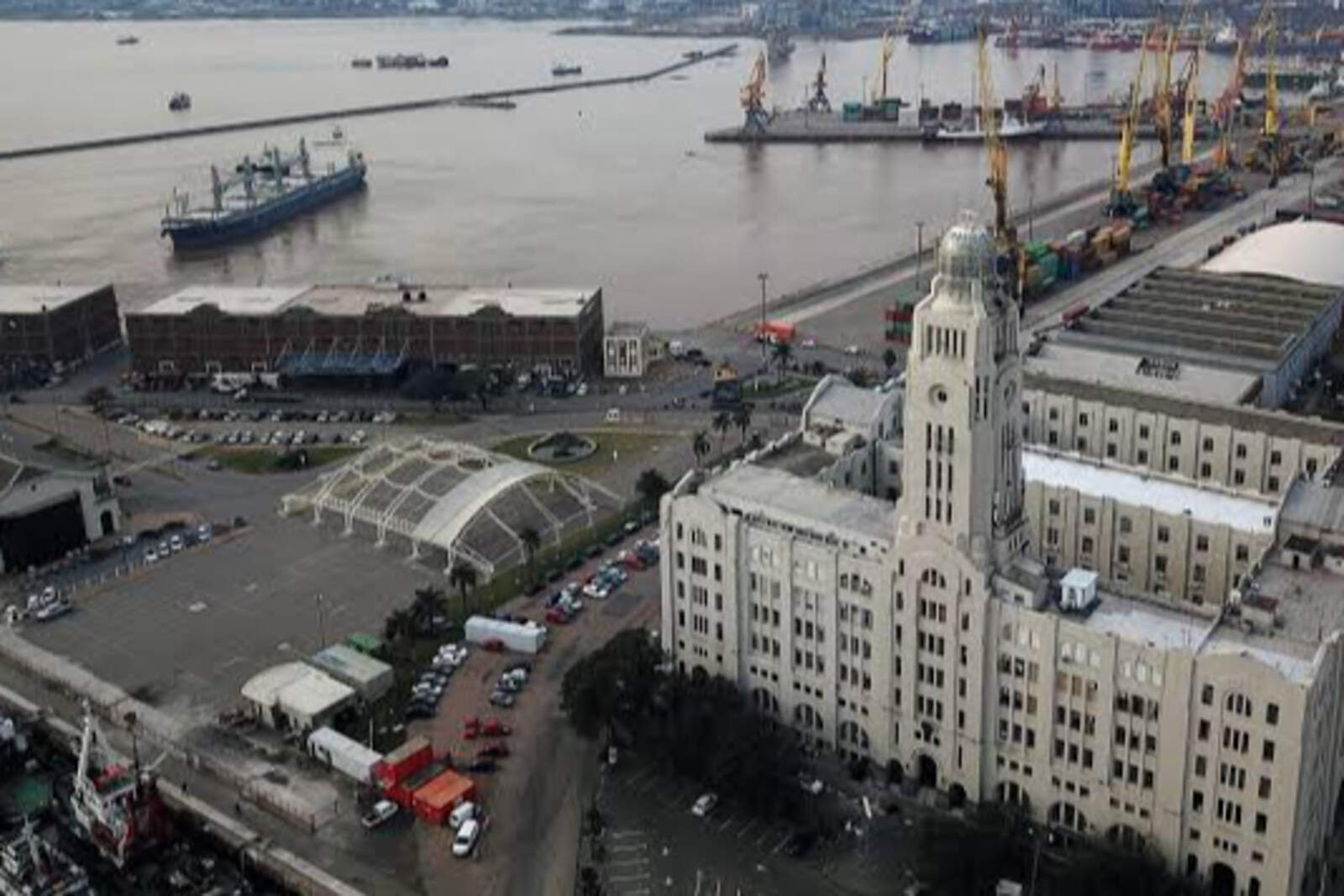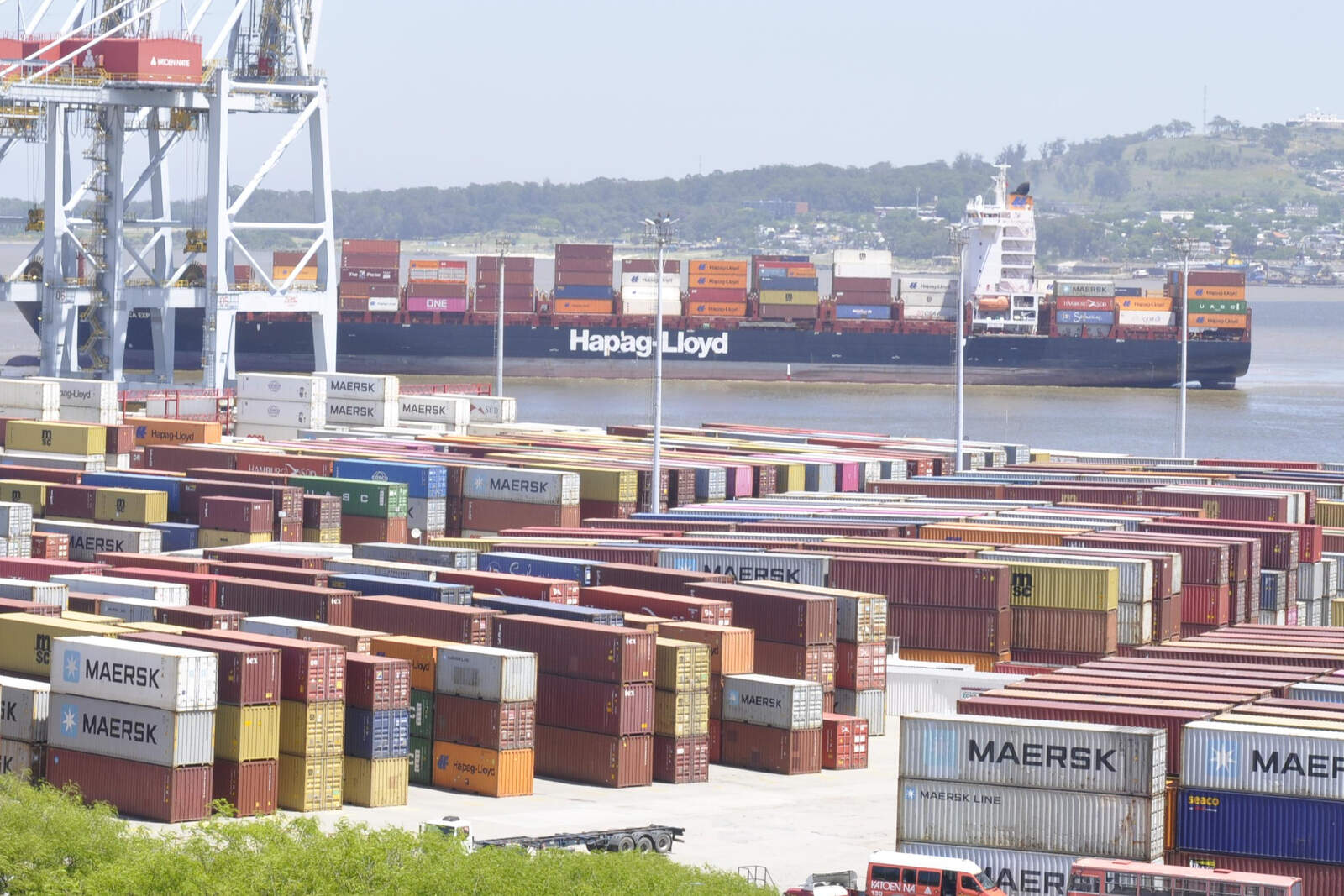

The Port of Montevideo, Uruguay's main container terminal, was paralyzed in approximately 70% of its operations due to a mafia-style union strike that began on Thursday, October 3.
The labor dispute mainly affected Terminal Cuenca del Plata (TCP), operated by the Belgian company Katoen Natie (with 80% of shares, 20% state-owned), which handles most of the container movement in Montevideo's harbor.
A mafia-style union
The Single Port and Related Branches Union (SUPRA) rejected the implementation of the Navis N4 operating system, a digital tool to optimize logistics management.
According to the union members, this technology increases productivity and could lead to job losses.
The union members demanded a reduction of the workday to 6 hours (paid as 8) to compensate for the impact of automation, job stability guarantees, and the inclusion of a new sector in the 6-hour regime.
The company defends the system, used in more than 300 ports worldwide, arguing that it improves efficiency, reduces waiting times, and strengthens competitiveness, without involving direct layoffs.
A union and political mafia
The strike was organized by union leaders from the Communist Party, the Socialist Party, and the MPP.
These are ultra-radical sectors that used a labor dispute to gain power within the Frente Amplio and the government.
They pressured the Orsi government from the far left to obtain more positions of power and more influence.