
The cyberattack on TuID, the state platform that verifies who you are in the digital world and allows you to sign with legal value, exposed what was already evident: the Uruguayan state is incapable of protecting the personal data of its citizens. Not even the most sensitive data. Not even when it comes to your face, your fingerprint, or your electronic signature.
On May 7, Antel confirmed the incident with the usual manual: “No passwords or specially protected data were compromised.” A comfortable phrase, repeated like a mantra. But it is enough to read the statement between the lines to understand that the response is insufficient, delayed, and, above all, not credible. Because with your name, ID number, date of birth, email, and address, they can already set up a scam that seems official. Imagine the WhatsApp: “Hello. We detected a problem with your digital identity TuID. To avoid the suspension of your electronic signature, verify your data here.” With your real data, it doesn’t look like spam. It looks like it’s from the State. And the State, precisely, is the one that failed.
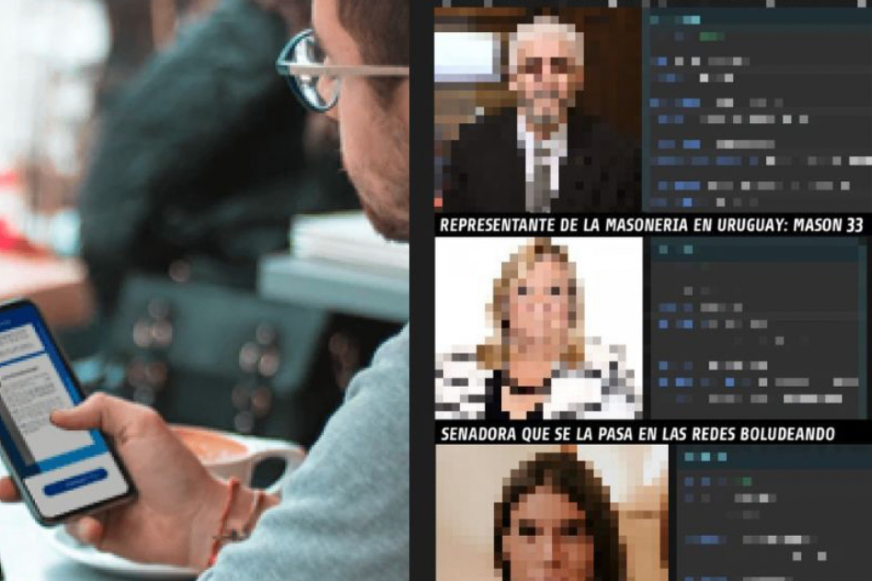
The group LaPampaLeaks, which claimed responsibility for the attack, went further: ID numbers, names, dates of birth, emails, phone numbers, addresses, biometric data, and even information about digital signatures. Antel denies it. Cybersecurity expert Agustina Pérez Comenale, tired of the evasions, filed formal complaints with the Regulatory Unit for Personal Data Control (URCDP) and with Cybercrime at the Ministry of the Interior. Her demand is fundamental: Antel does not clearly state which data was affected. And if the biometrics were exposed, we are facing a problem of another dimension. A password can be changed. A face or a fingerprint cannot.
The law is clear. It requires notifying the regulator within 72 hours with precise details of the incident and the affected data. If the rights of individuals are compromised, they must also be notified in understandable language. None of that happened. Antel spoke of “protocols” and a complaint to the Prosecutor's Office. But it did not inform how many users were impacted, how long the vulnerability existed, whether there was compromised biometrics, or what the hell each citizen should do to protect themselves. Silence. Opacity. The same recipe as always.