
President Yamandú Orsi confirmed, with his inaction, that Uruguay is out of the "Shield of the Americas," the regional initiative promoted by the United States to combat drug trafficking, transnational organized crime, and money laundering in a coordinated manner. Orsi merely described it as "strange" that we had not been invited and said that "when concrete problems arise" we will be willing. No active management, no formal request for admission, no clear signal of alignment with the countries that did decide to face the problem head-on. It is a political choice: a lukewarm, complacent, and dangerous line with international crime.100
While the region advances in shared intelligence, joint operations, and real pressure on drug routes, Uruguay opts to watch from the sidelines. TCP, ports, airports, and borders remain exposed links in a continent where crime does not ask for permission.
The supposed "relative stability" is increasingly fragile
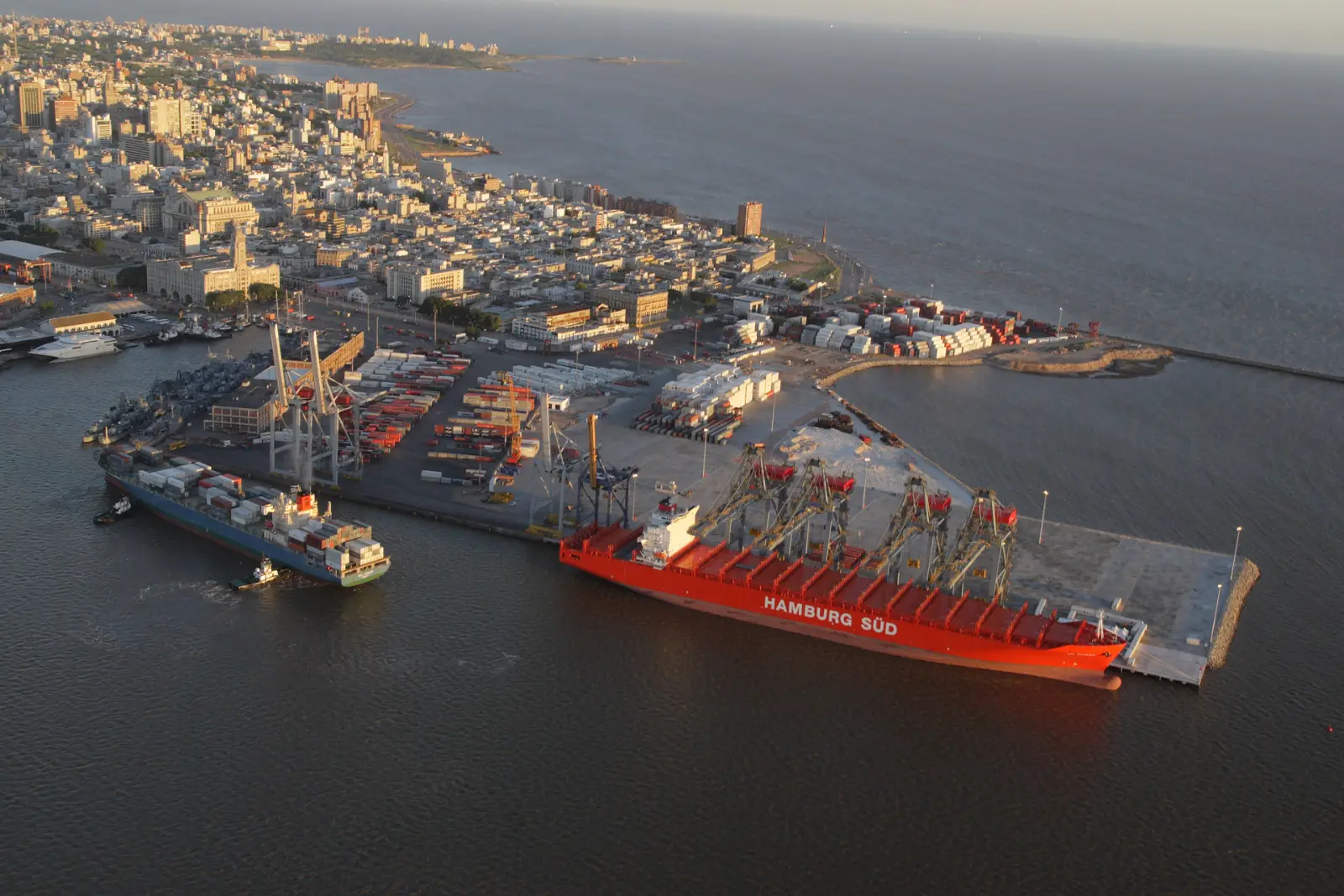
It is repeated ad nauseam that Uruguay enjoys "relative stability." But that stability is becoming increasingly relative and less stable. Cocaine and chemical precursor seizures continue to break records year after year. Homicides linked to settling scores between gangs have increased. Money laundering in the real estate, financial, and cryptocurrency sectors is a recurring concern for international organizations. The Port of Montevideo and Carrasco appear time and again in operations that reveal that the country is no longer just an occasional transit point, but an increasingly functional node for organizations that move billions.
In this context, declining —by omission— to be part of a shield that precisely seeks to anticipate and strike at these networks is an irresponsible decision. It is not neutrality: it is giving the enemy a free field. Organized crime operates with business logic: where there is less police, judicial, and diplomatic risk, it invests more. Uruguay, with its location, relatively intact institutions, and its dollarized economy in several circuits, is attractive to those looking to launder, store, or transit illicit goods.
The real costs of lukewarmness
Each day without greater international coordination translates into: