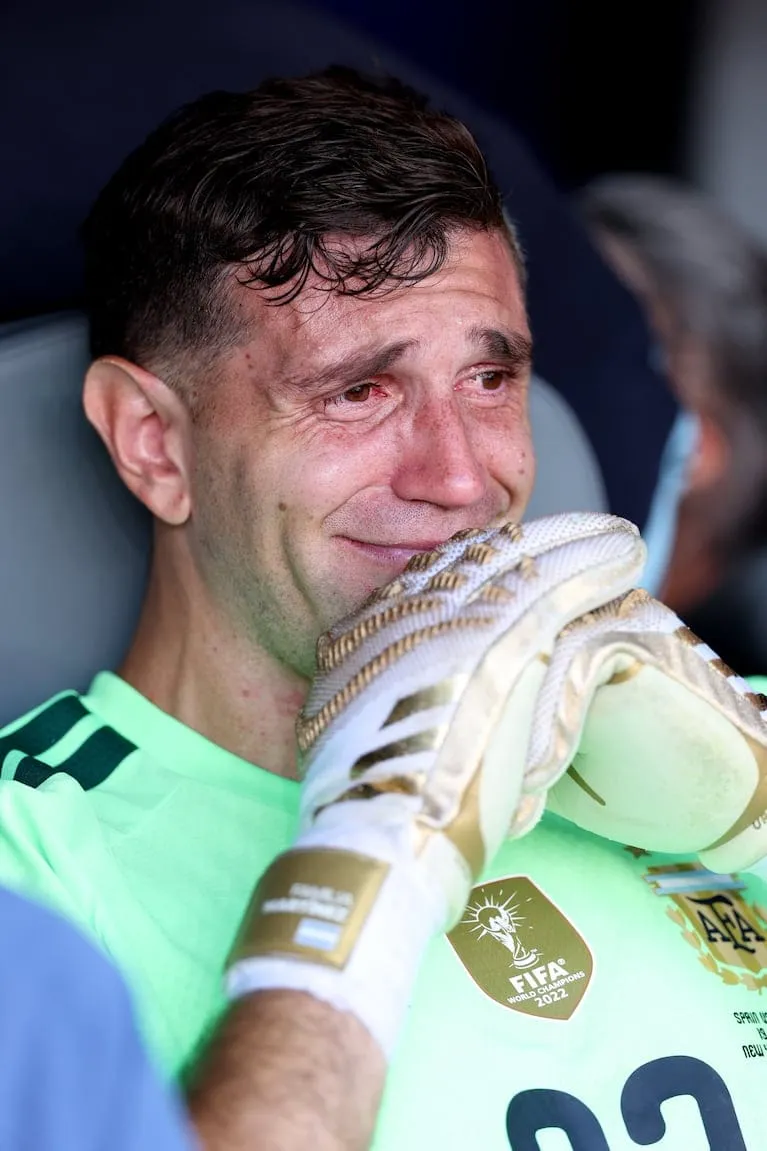





Despite the international campaign coordinated against Argentina, which claimed that it had “manipulated” the World Cup, we ended up being greatly harmed in the final.
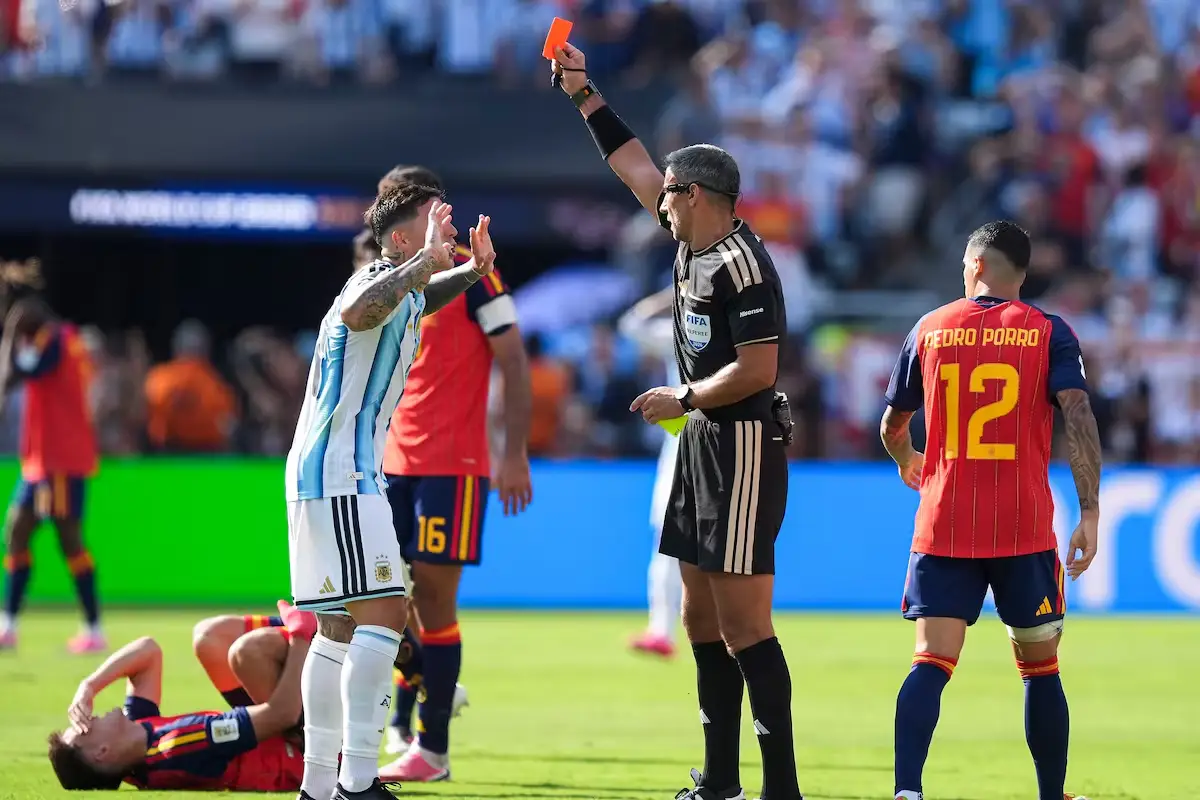
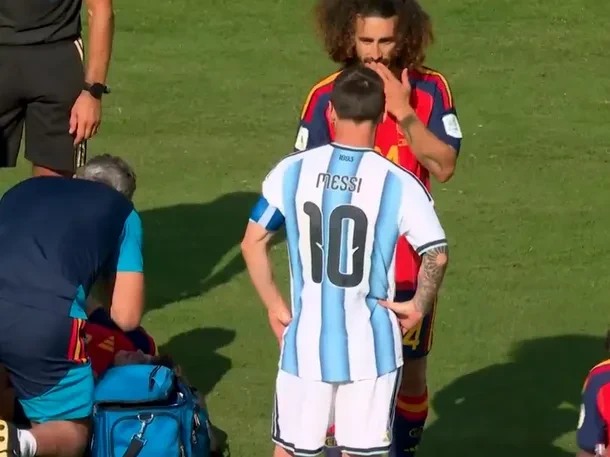
Twelve years after the stolen final against Germany in Brazil 2014, a European team once again took the World Cup away from Argentina and Lionel Messi in a match marked by institutional pressures, a scandalous referee appointment, and decisions that directly harmed the National Team.
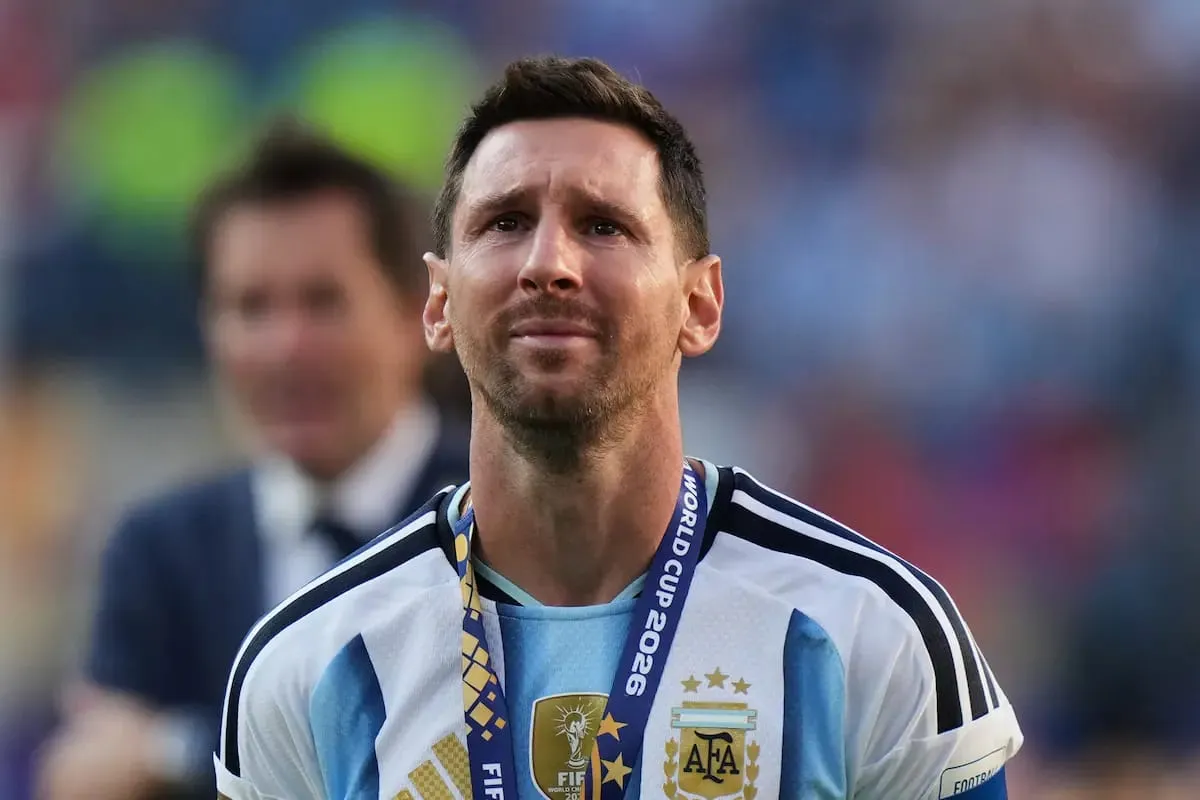
It was not the first time. In Italy 1990, Germany became champions thanks to a non-existent penalty. In United States 1994, FIFA removed Diego Maradona from the World Cup due to alleged doping, just when the number 10 had already detoxed and was returning as the great figure of the National Team. In Brazil 2014, Manuel Neuer kneed Gonzalo Higuaín in the area, but the referee did not call a penalty and even sanctioned a non-existent foul by the Argentine.
In 2026, history repeated itself. Throughout the World Cup, there were attempts from abroad to establish that Argentina had the tournament “manipulated”, that FIFA wanted to give another Cup to Messi, and that any favorable result was due to an alleged arrangement led by Gianni Infantino.
However, in the final, exactly the opposite occurred. Argentina was left in the hands of a referee team loaded with conflicts, backgrounds, and suspicious statistics, and ended up being harmed in the most important decisions.
The UEFA threat against Gianni Infantino
Before the final, UEFA had issued a direct threat against Gianni Infantino: if Argentina won the World Cup again, they would move to remove him from the presidency of FIFA. Even the Slavic president Aleksander Čeferin did not attend the final in open protest against Infantino over the Balogun case.
A new crowning of Messi would be used by European power to accuse Infantino of favoring the National Team and promoting his removal.
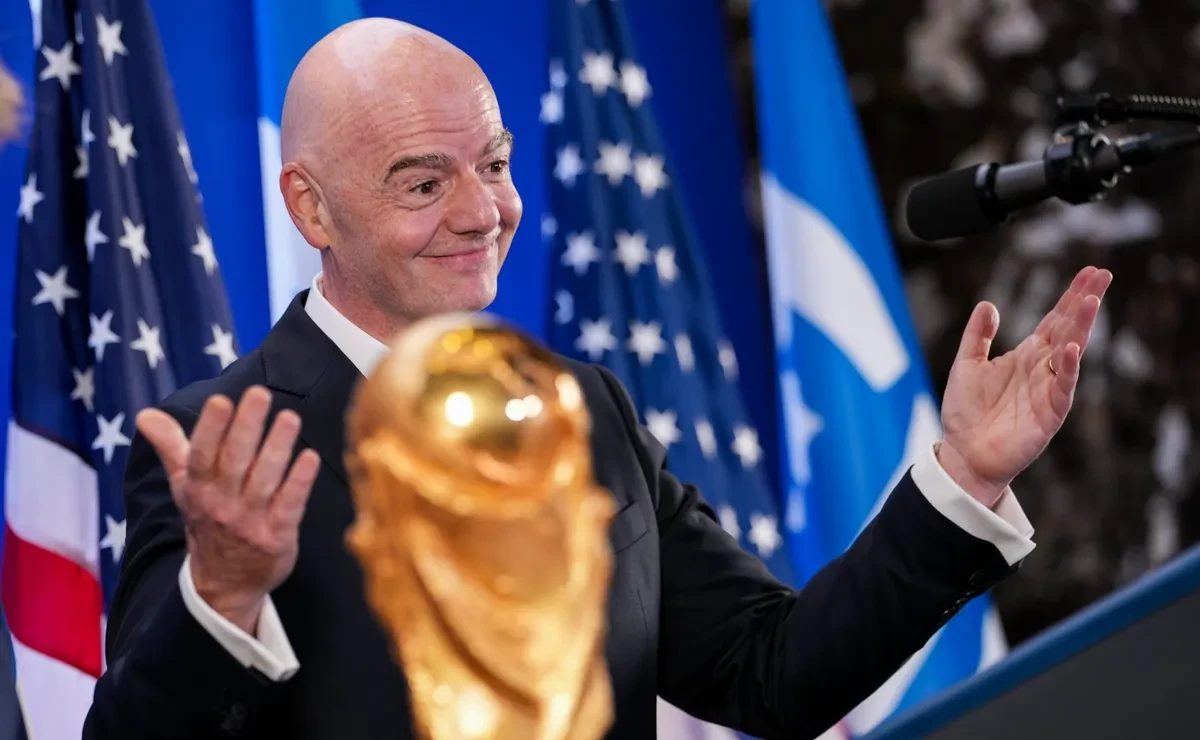
The definition was thus marked by an evident institutional pressure. UEFA had a direct interest in preventing another Argentine crowning and returning the World Cup to Europe.
In this context, the first scandalous decision occurred: the selection of the referee team.
A completely Slovenian trio
FIFA appointed Slovenian Slavko Vinčić as the main referee. His assistants were Tomaž Klančnik and Andraž Kovačič, also Slovenian. The three shared nationality with Aleksander Čeferin, president of UEFA and the main representative of European power within international football.
The final pitted Argentina against Spain, a team belonging to the confederation led by Čeferin. At the same time, Infantino was under the threat of being removed if the National Team became champions again. Despite this conflict, FIFA placed control of the most important match of the World Cup in the hands of three compatriots of the UEFA president.
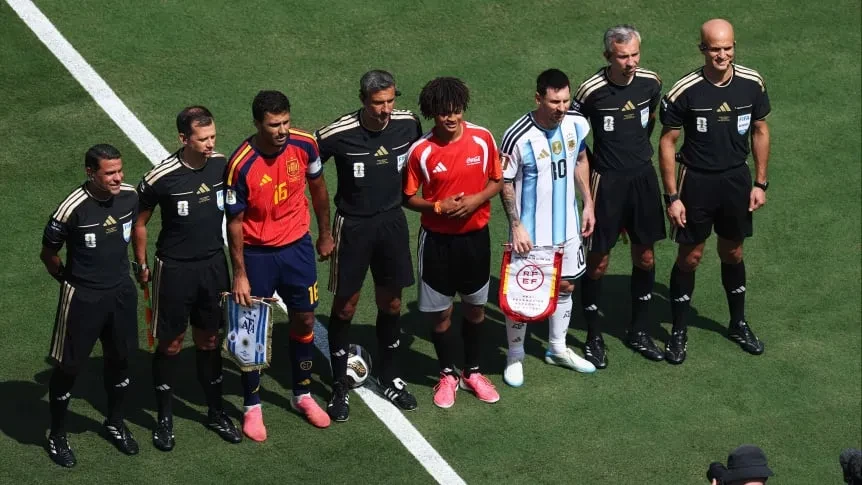
Bastian Dankert, a German in the VAR
The VAR was overseen by the German Bastian Dankert. Germany is one of Argentina's main World Cup rivals and the opponent against which it has played three finals: 1986, 1990, and 2014.
In 1990, Germany became champions thanks to a non-existent penalty, and Argentina ended up with two players sent off. In 2014, Neuer hit Higuaín in the area, and the referee did not call a penalty.
Twelve years later, a German was in charge of reviewing the expulsions, penalties, and actions capable of defining another final played by Argentina.
The Colombian Nicolás Gallo as AVAR
Colombian Nicolás Gallo was appointed as the main VAR assistant. Colombia was the country that had lost to Argentina in the last final of the Copa América and maintained a growing rivalry with the National Team.
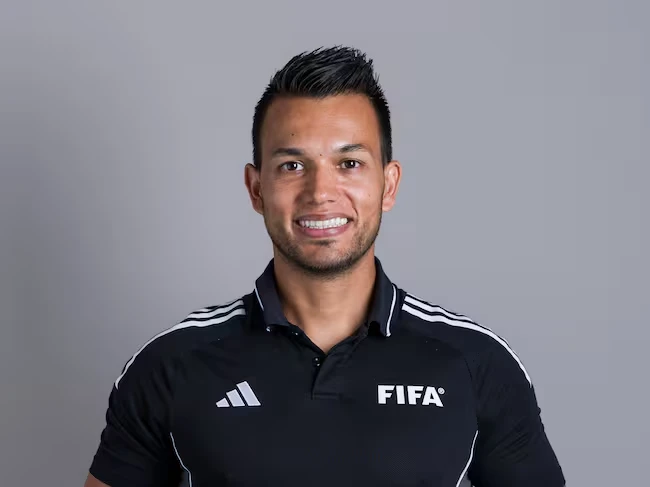
The referee team was thus formed by three Slovenians, a German in the VAR, and a Colombian as AVAR: a combination that, far from conveying neutrality, multiplied the suspicions before the match.
The dark background of Slavko Vinčić
In 2020, Slavko Vinčić was detained during a police raid carried out in Bosnia and Herzegovina. The operation was linked to a plot of prostitution, drugs, and weapons. At the scene, women, cocaine, large amounts of money, and firearms were found.
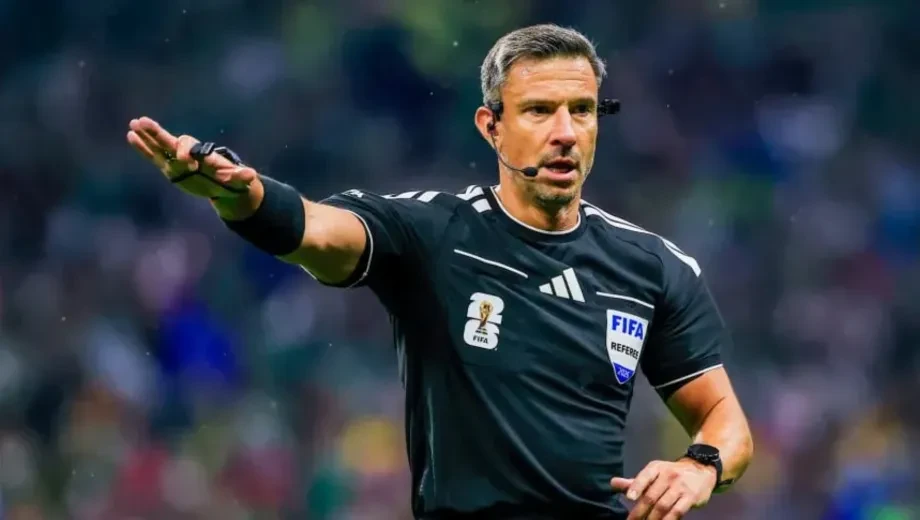
Vinčić attempted to escape along with three others aboard a boat. The escape was unsuccessful, and he was detained by authorities. Despite the seriousness of the episode, he was inexplicably released. He later claimed that he had arrived as a guest, testified as a witness, and was not formally accused of being part of the investigated organization.
Among all the available referees, FIFA chose for a World Cup final a judge who had been found in a raid related to prostitutes, cocaine, money, and weapons, and who had attempted to escape from the scene.