An ancient fossil suggests that different human groups lived together in Asia 150,000 years ago
Compartir:
An archaeological discovery is once again shaking what was believed to be known about the origin and diversity of the first humans. In China, the analysis of fossil remains that are about 150,000 years old presents a scenario that is much more complex than what classical models imagined.
Far from settling debates, the finding adds new questions. The bones show mixed traits that are difficult to classify and reinforce the idea that several human groups could have lived at the same time.
El hallazgo suma nuevas preguntas
An ancient fossil that never quite fit
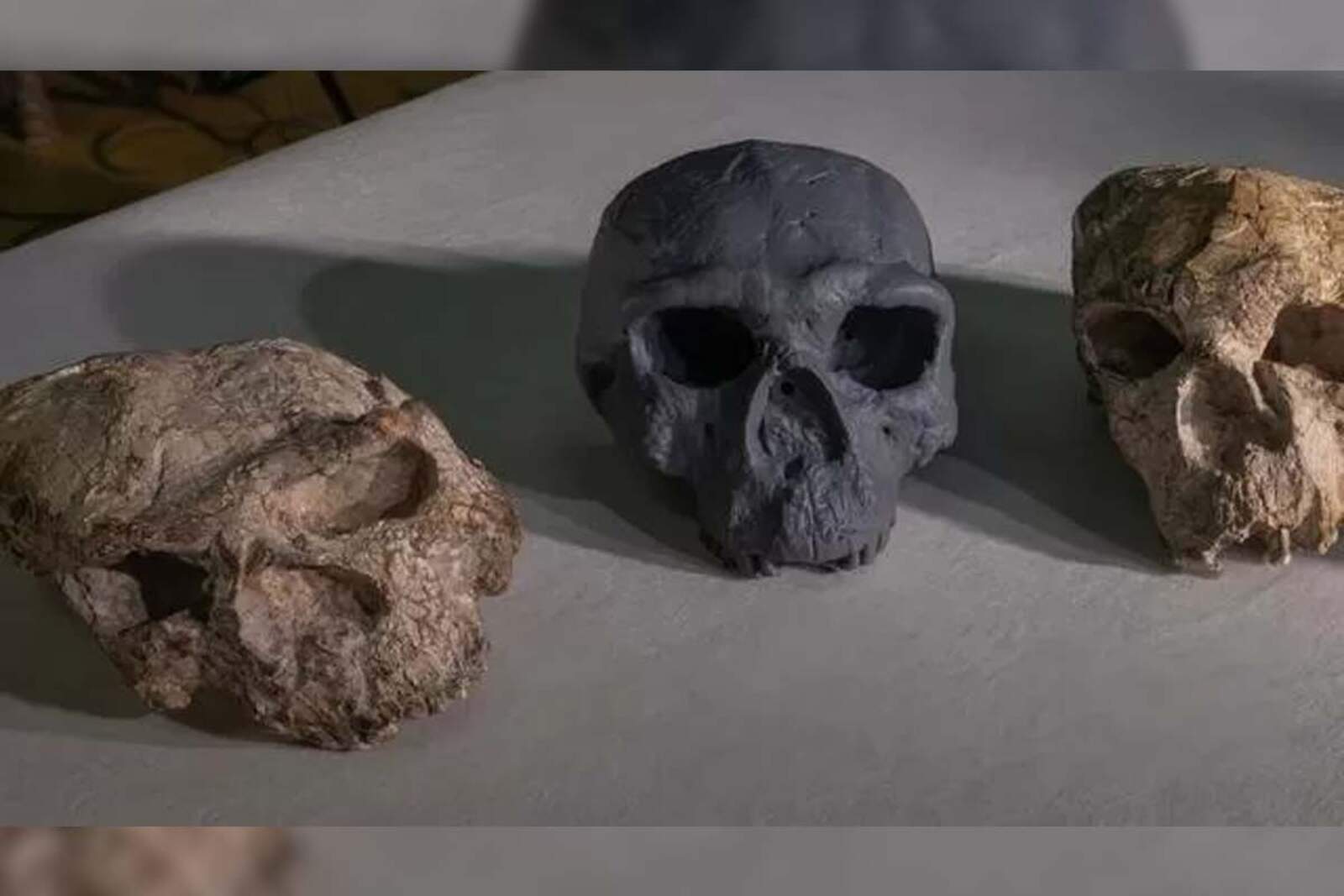
The remains were found in Hebei province during the 1970s. Since then, they have attracted attention because of their robust morphology, which is too archaic for modern humans but different from other known lineages.
For decades, the main problem was the lack of precise dating. Without a reliable age, it was impossible to place these hominins within the evolutionary tree.
New dating that changes the outlook
Recent research has managed to refine the timeline of these fossils, which are attributed to Homo juluensis. According to a study published in Quaternary Science Reviews, their age falls between 138,000 and 228,000 years.
Una nueva datación que cambia el panorama
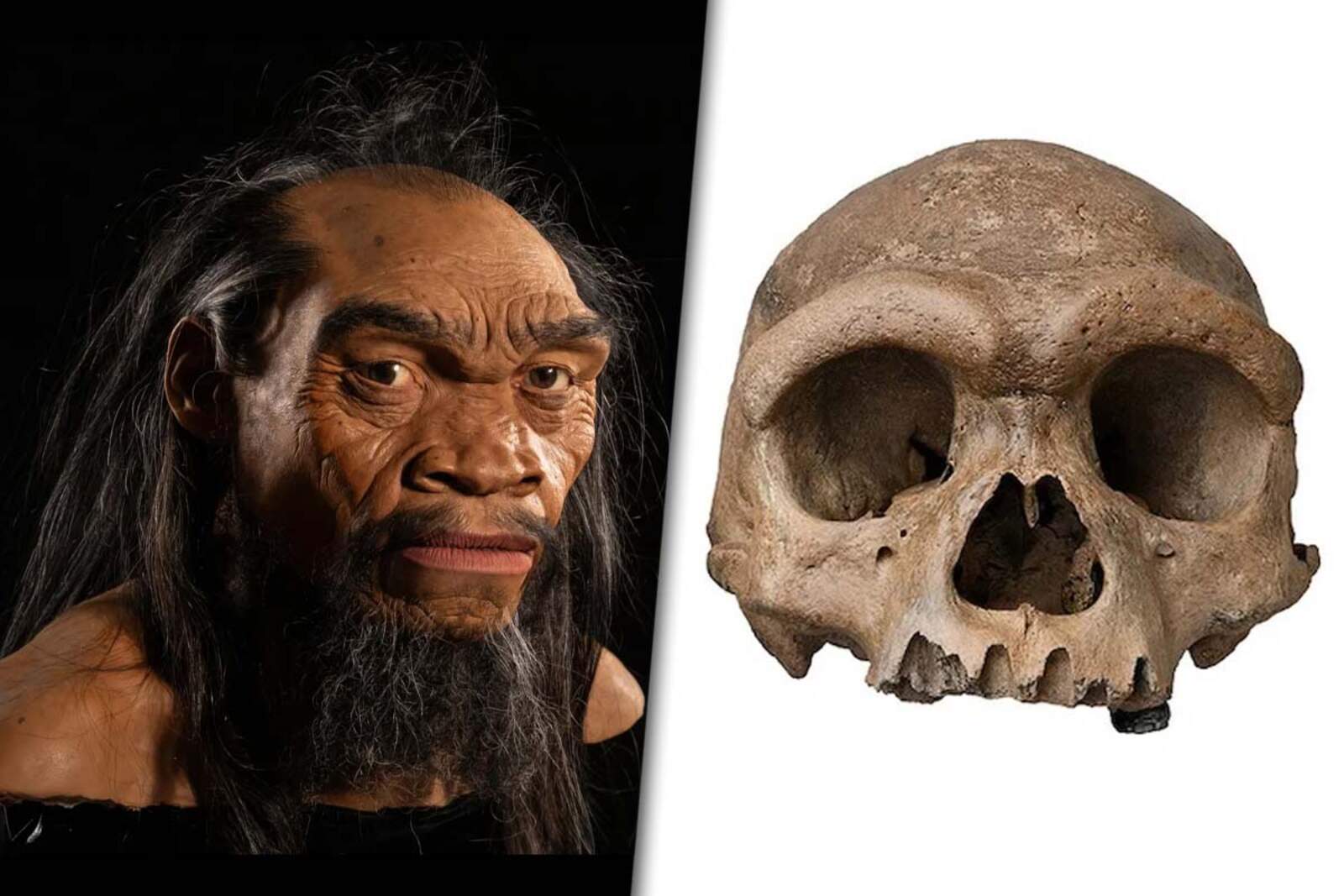
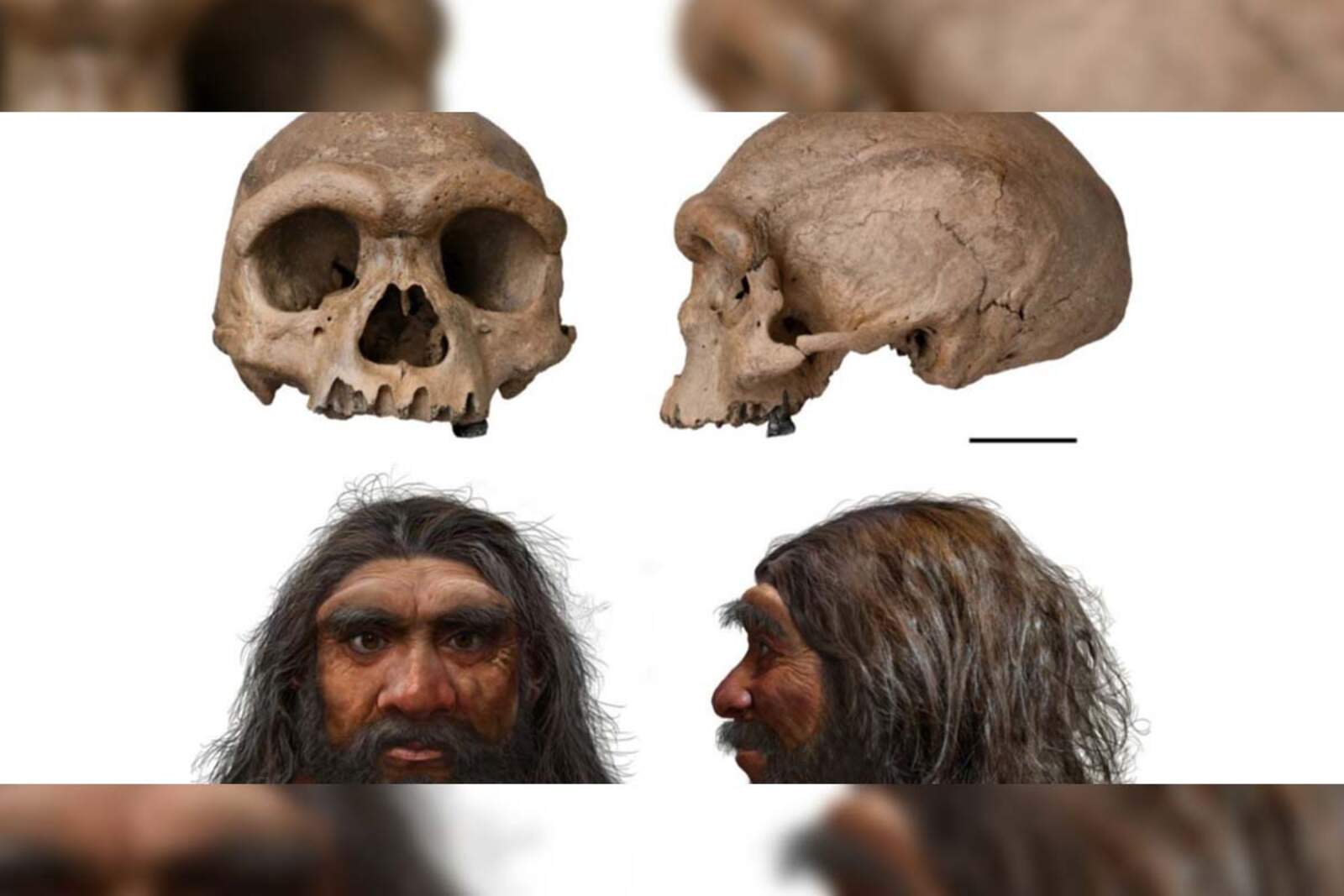
This time range overlaps with that of the enigmatic Homo longi, popularly known as the "dragon man," dated to around 150,000 years. The coincidence has not gone unnoticed by the scientific community.
A northern China populated by several human lineages
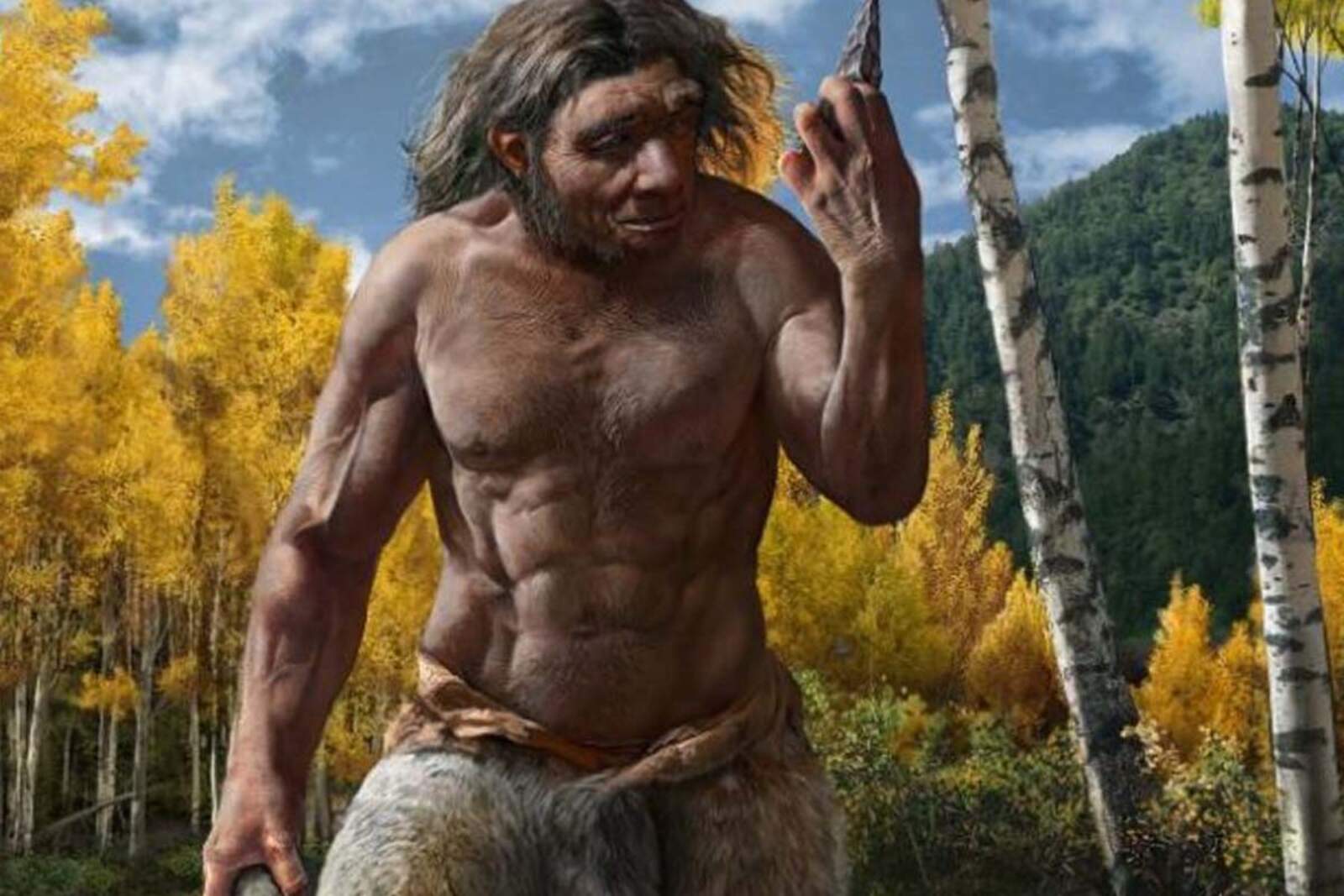
If both datings are correct, northern China would have been a true human mosaic. Different archaic groups with diverse anatomies could have shared territory and time.
Un norte de China poblado por varios linajes humanos
This scenario challenges the linear idea that one species replaces another without overlaps. Human evolution, at least in East Asia, would have been much more dynamic.
The difficulty of putting definitive labels
Specialists warn that the temporal overlap doesn't automatically confirm the existence of separate species. It also doesn't allow researchers to know whether there were interbreeding events, replacements, or direct links between these groups.
With fragmentary fossils, every trait counts but can also lead to errors. New findings will be key to determining whether the "dragon man" and Homo juluensis are separate chapters or pieces of the same puzzle.