Santilli stated that the government will try to restore in the Senate the key fiscal chapter of the 2026 budget
Compartir:
The Minister of the Interior, Diego Santilli, confirmed that the national government will seek to restore chapter 11 of the 2026 Budget in the Senate. This chapter was promoted by President Javier Milei and rejected by the opposition during its consideration in the Chamber of Deputies.
The chapter in question included an article with the repeal of the Emergency in Disability and University Financing laws, approved by the coup-mongering Congress prior to December 10. This chapter was removed during the vote in particular, even though the bill obtained preliminary approval in general.
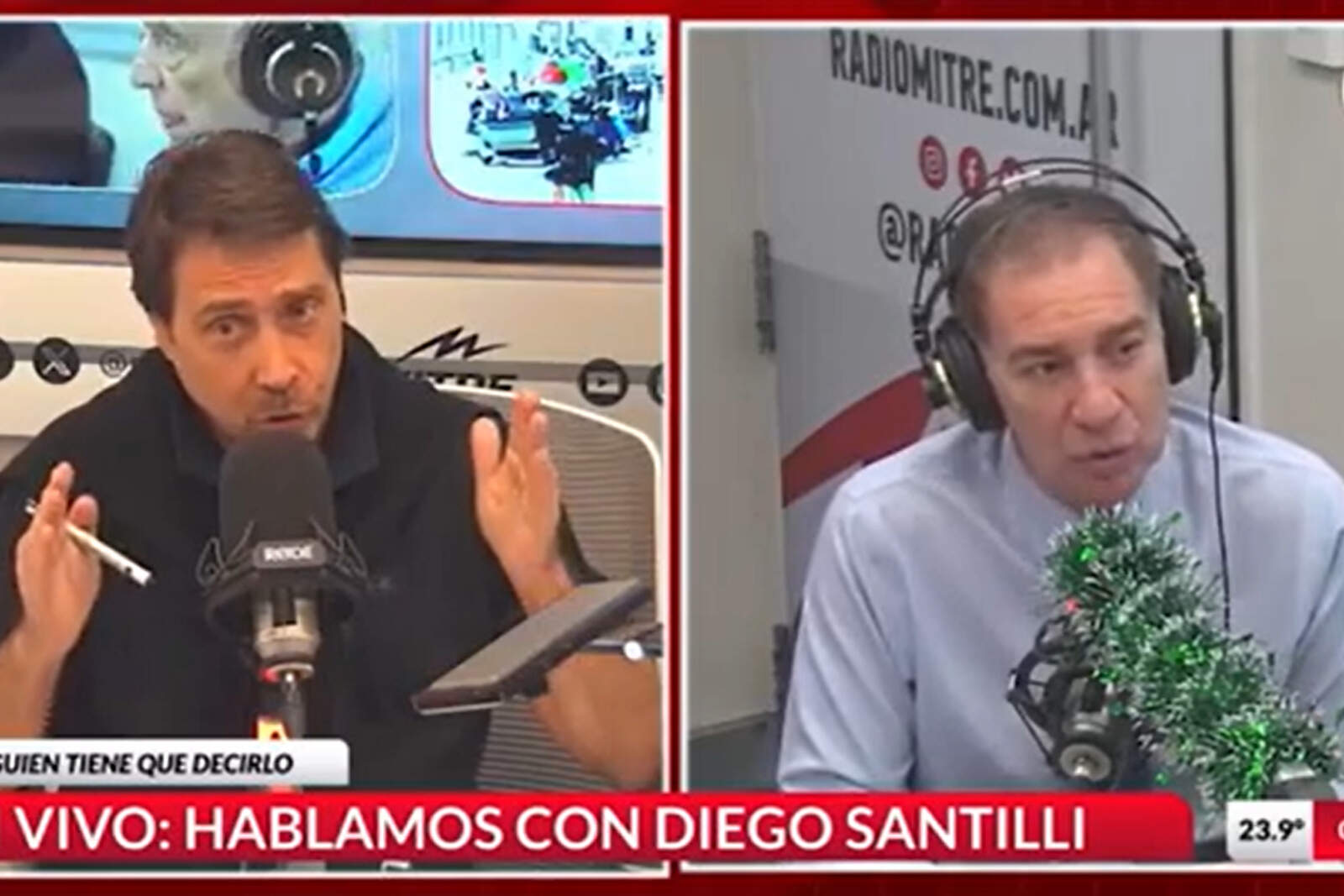
"That point can create an imbalance going forward, which in my view must be corrected in the Senate", Santilli stated in a conversation with Radio Mitre. He referred to the negative fiscal impact that maintaining allocations outside the budgetary norm would have.
Santilli en entrevista con Feimann
The "cultural change" that Milei is driving
In his analysis, the minister pointed to the role of the governors and to the lack of alignment of some legislators. This is due to the fact that there are deputies who do not commit to the change of course proposed by the national government.
"There are many who understand that cultural change that the president has proposed. In fact, they have reduced their spending by 2.5%, they have brought order," Santilli noted. He added: "There were governors who were not able to convince many or some of their deputies of that cultural change".
Along those lines, he confirmed that the ruling bloc will work to reverse the situation in the Upper House. "We are going to work in the Senate to correct that wording", he stated. Although at the same time he highlighted the general endorsement of the bill: "What has been achieved is a very important step, we are coming from three years without a budget".
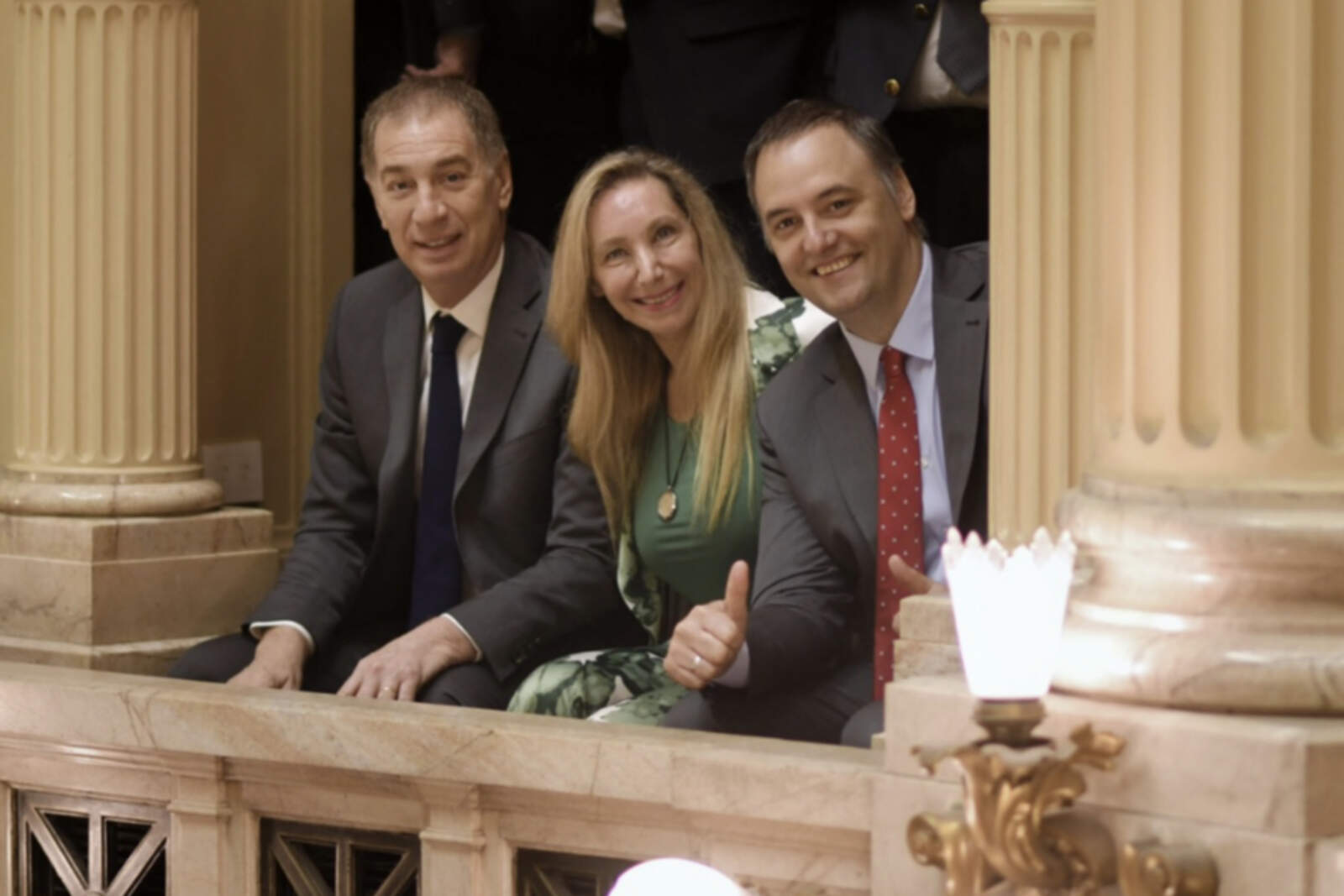
Santilli abordó las negociaciones con los gobernadores y sus diputados
Fiscal balance as a non-negotiable axis
Santilli made it clear that the core of the discussion is not partisan-political, but fiscal and structural. According to his explanation, allowing permanent allocations outside the budget would compromise the balance of public accounts.
"It is non-negotiable to have a budget that delivers growth, that has fiscal balance, that generates jobs, which are the issues that we are discussing in this six-month period", the minister stated.
From the government's perspective, chapter 11 is a key tool to consolidate fiscal order. In addition to preventing the budget from once again becoming a sum of patches and exceptions, as happened in recent years.
PRO's anger
Meanwhile, Santilli referred to PRO's anger, led by Cristian Ritondo. This was due to theappointment of the auditors of the National Audit Office (AGN) during the session in the Chamber of Deputies.
From the yellow bloc they went so far as to claim that "the relationship is broken" and accused the ruling party of "reaching an agreement with Kirchnerism." They did this without taking into consideration that the auditors must come from different political groups in order to guarantee transparency.
The appointment included Mónica Almada for La Libertad Avanza, Juan Forlón for Kirchnerism and Pamela Calletti, an ally of Salta governor Gustavo Sáenz.
When asked about the tension with PRO, Santilli sought to lower the temperature, although he did not deny the discontent. "The heat of the moment is valid", he acknowledged. However, he maintained that both forces will have to "find a path" to continue working together.
"The work that Cristian does is very important and the work that PRO has been doing in supporting the reforms is important as well", he indicated. He marked differences with the more exaggerated stance of the yellow bloc.
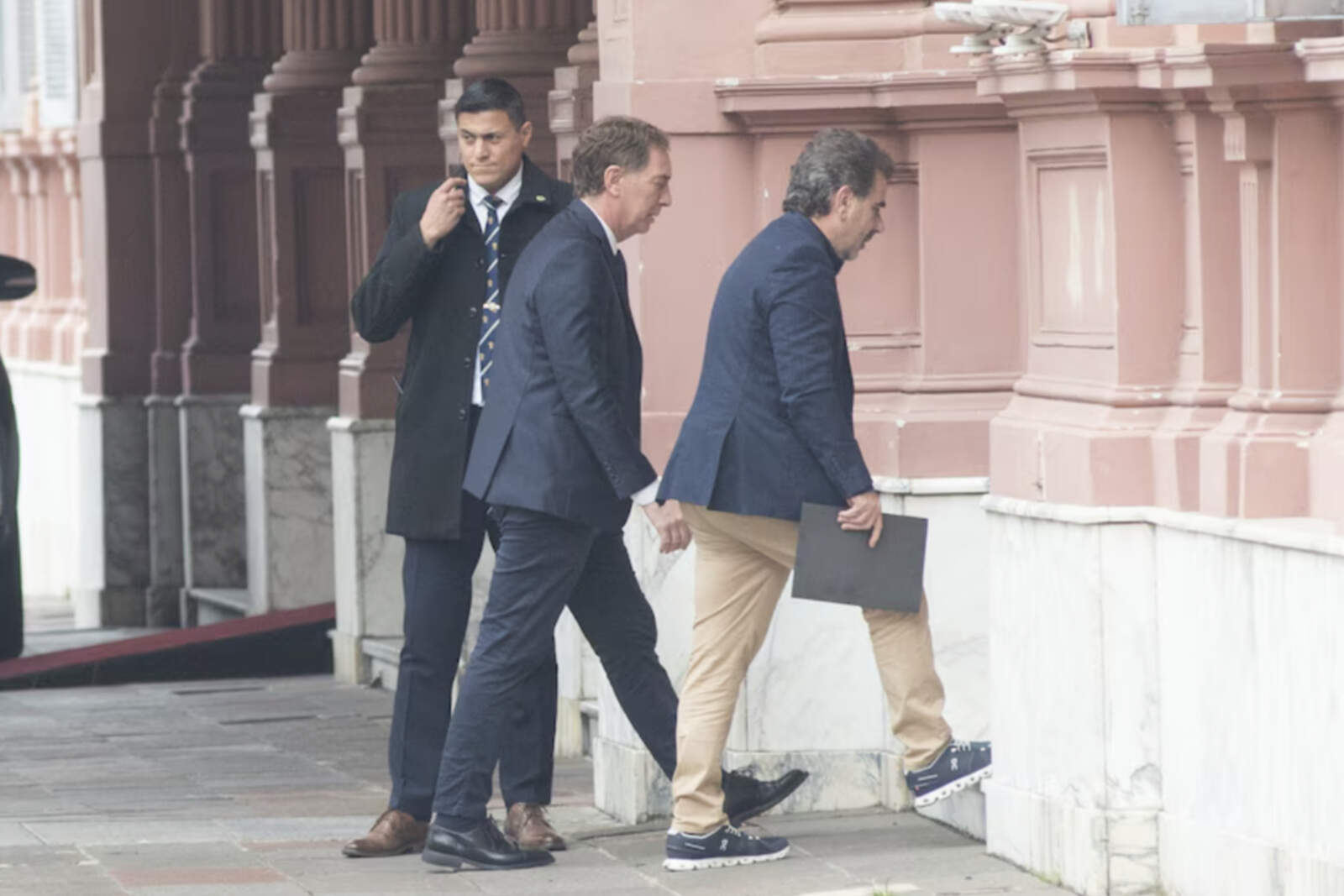
Diego Santilli ingresando a reuniones en Casa Rosada
Labor reform and the challenge of formal employment
Finally, Santilli highlighted the importance of moving forward with labor reform and emphasized the unprecedented volume of participation in the debate. "We have a committee report, this has never happened," he said. He added: "Almost two thousand requests for hearings and discussion on the issue have been received."
The minister laid out the magnitude of the labor problem in Argentina: "Argentina has twenty-three million Argentines with the possibility of working. Six million have jobs in the formal private sector, three million in the public sector. What happens to the remaining fourteen million? Then, that is where the discussion begins."
In that context, he defended labor reform as a key tool to reduce informality and expand the number of people who gain access to rights. He stressed that the Senate will be a decisive stage in consolidating the course of the reforms promoted by the government.