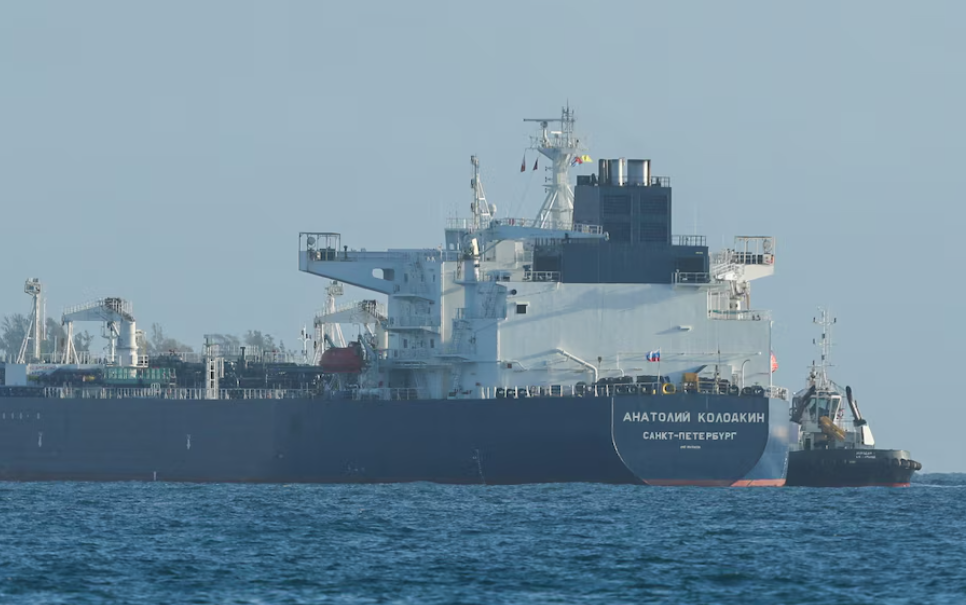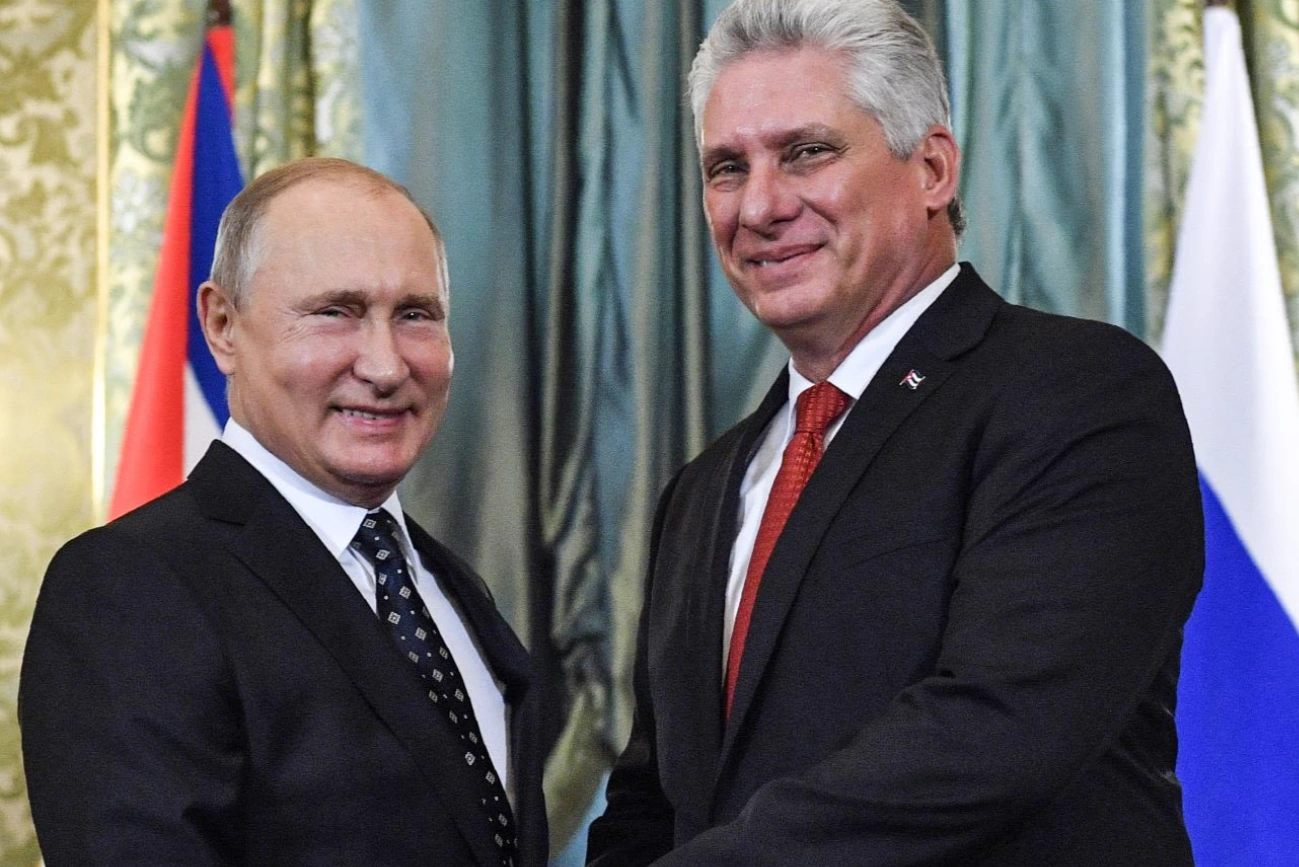

Russia announced the shipment of a second oil tanker to supply the Cuban dictatorship, in the midst of the energy crisis that the island is going through following sanctions promoted by the United States.
The Moscow movement seeks to artificially sustain a collapsed regime that faces massive blackouts, economic paralysis and growing social discontent.
Russia insists on supporting a regime in crisis
The Russian Energy Minister, Sergey Tsiviliov, confirmed that a second ship is already being loaded
after the initial shipment.“The first ship broke the blockade. Now the second one is being charged,” said the official, making clear Moscow's political support for Havana
.The first shipment made it possible to temporarily alleviate the energy crisis, but it did not solve the structural problems of the Cuban system.
A temporary relief for a collapsed economy
The Russian oil tanker transported around 100,000 tons of crude oil, the first shipment in three months to
a practically paralyzed island.However, experts warn that this type of aid only covers a few days or weeks of energy demand.
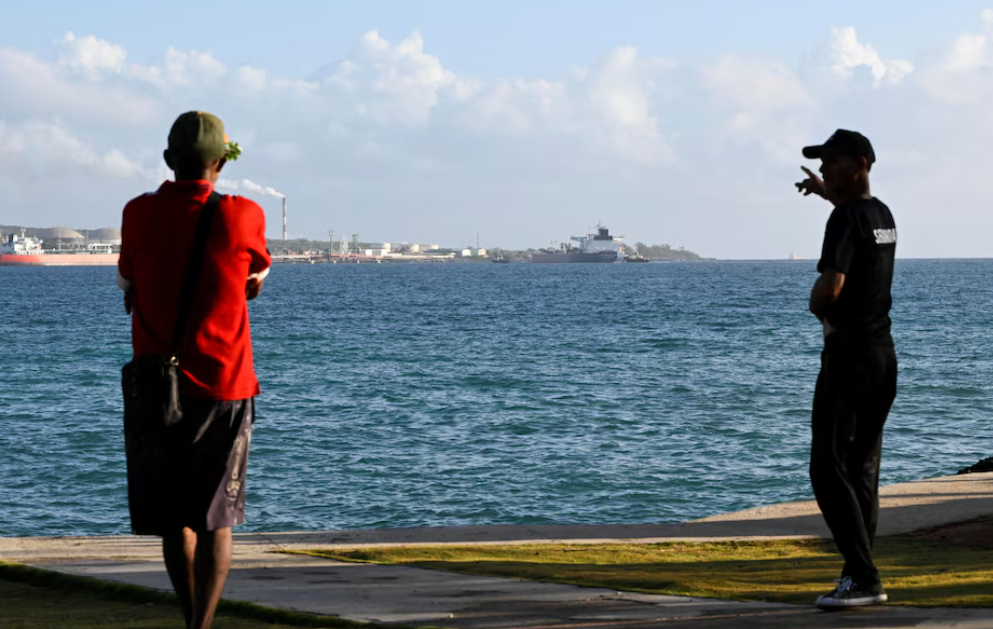
Cuba needs approximately 100,000 barrels a day, but its local production covers less than half, which explains the constant blackouts and the crisis of basic services
.Trump's pressure exposes the weakness of the regime
The President of the United States, Donald Trump, downplayed the importance of the Russian shipment and was forceful about the
situation in Cuba.Trump described the Cuban government as “corrupt” and assured that the arrival of oil will not change the underlying reality.
Washington's strategy aims to economically suffocate the regime to force structural change, limiting access to fuel from Venezuela, Mexico and other suppliers.
The energy blockade reveals the failure of the Cuban model.
The current crisis is not new, but it worsened after the interruption of external supply
.The regime's inability to sustain its energy system demonstrates the failure of decades of state planning and external dependence.
Prolonged blackouts affect hospitals, transportation and production, revealing the country's deterioration.