On November 9, 1989, the Berlin Wall fell, and with it, a system that imprisoned its people collapsed. Its legacy still challenges us
Compartir:
The Berlin Wall was the clearest symbol of the failure of real socialism: a border erected to prevent citizens from escaping oppression. On November 9, 1989, thousands of German citizens demonstrated that no system can endure when people choose to be free. Built in 1961, the Wall stood for 28 years as the most visible line between freedom and tyranny.
A 36 años de la caída del nefasto Muro de Berlín
After World War II, Germany was divided and its capital, Berlin,was sectioned. Between 1949 and 1961, around 2.7 million people left the German Democratic Republic (GDR). In that context, in the early hours of August 13, 1961, the rolls of wire began that would become concrete walls: 155 kilometers (96 miles) of barrier, 43 (27 miles) just in the urban area, with eight controlled crossings. The estimated number of victims who died trying to escape ranges from 140 to 262. Is it not interesting to note that the republic claiming to be "democratic" needed bullets and guards to keep people within its territory?
During those years, the most basic rights were annulled. The Wall violated freedom of movement, freedom of expression, and ultimately, the right to life. The political police, the STASI, had about 90,000 agents and nearly 180,000 informants, in a society where letters were opened before delivery, telephones were tapped, and ideas were monitored. The planned economy promised equality, but only guaranteed scarcity, control, and fear. It was the most brutal attempt of the twentieth century to replace human will with that of the State.
36 años del día en que el capitalismo triunfó sobre el socialismo estatista
The collapse was a process. Gorbachev's reforms, perestroika and glasnost, and the pressure from Poland and Hungary opened cracks. In Leipzig, on October 9, 1989, 70,000 people marched chanting "Wir sind das Volk" ("We are the people"). A month later, at a press conference broadcast to the world, regime spokesman Günter Schabowski announced that travel restrictions were lifted "immediately, without delay."
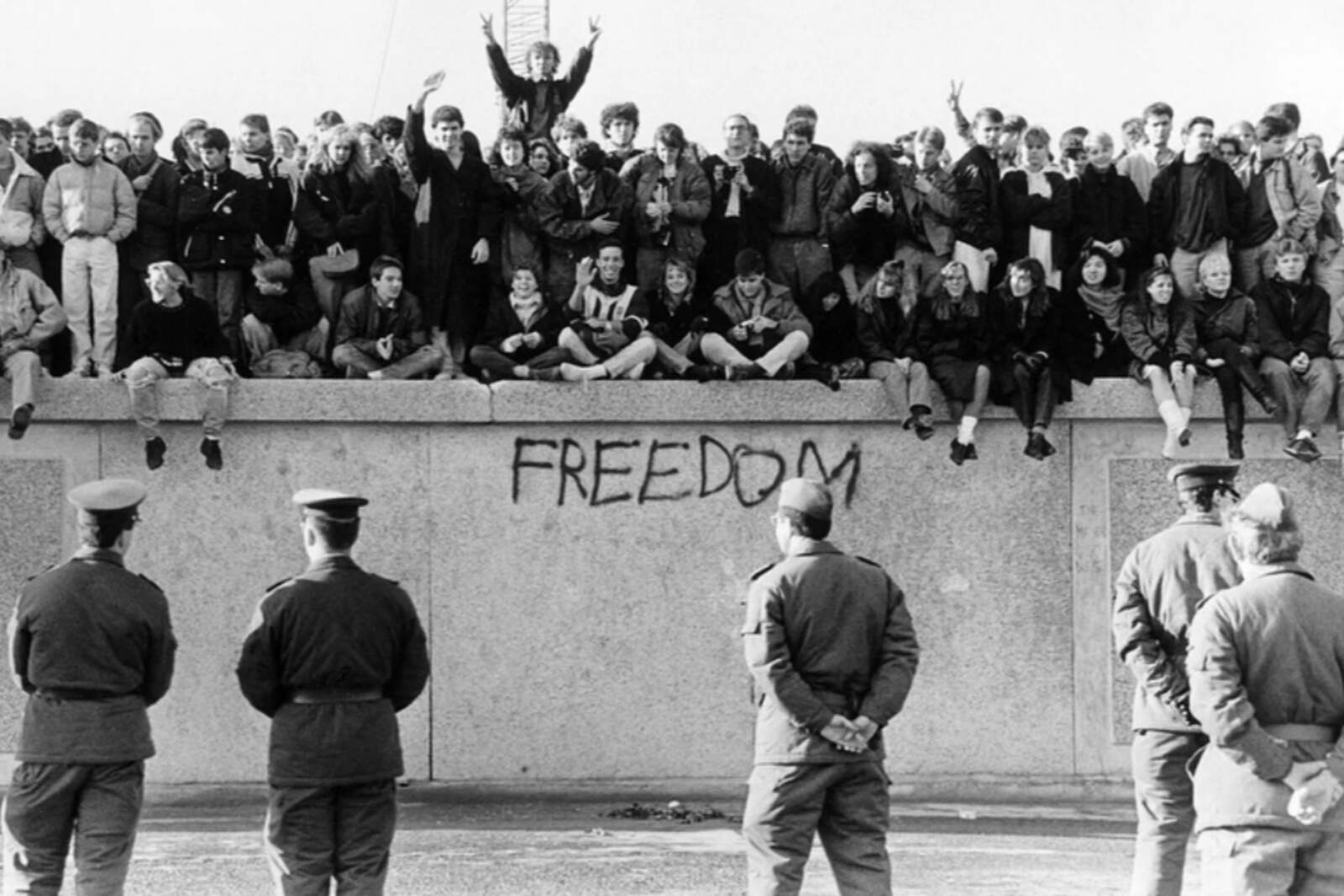
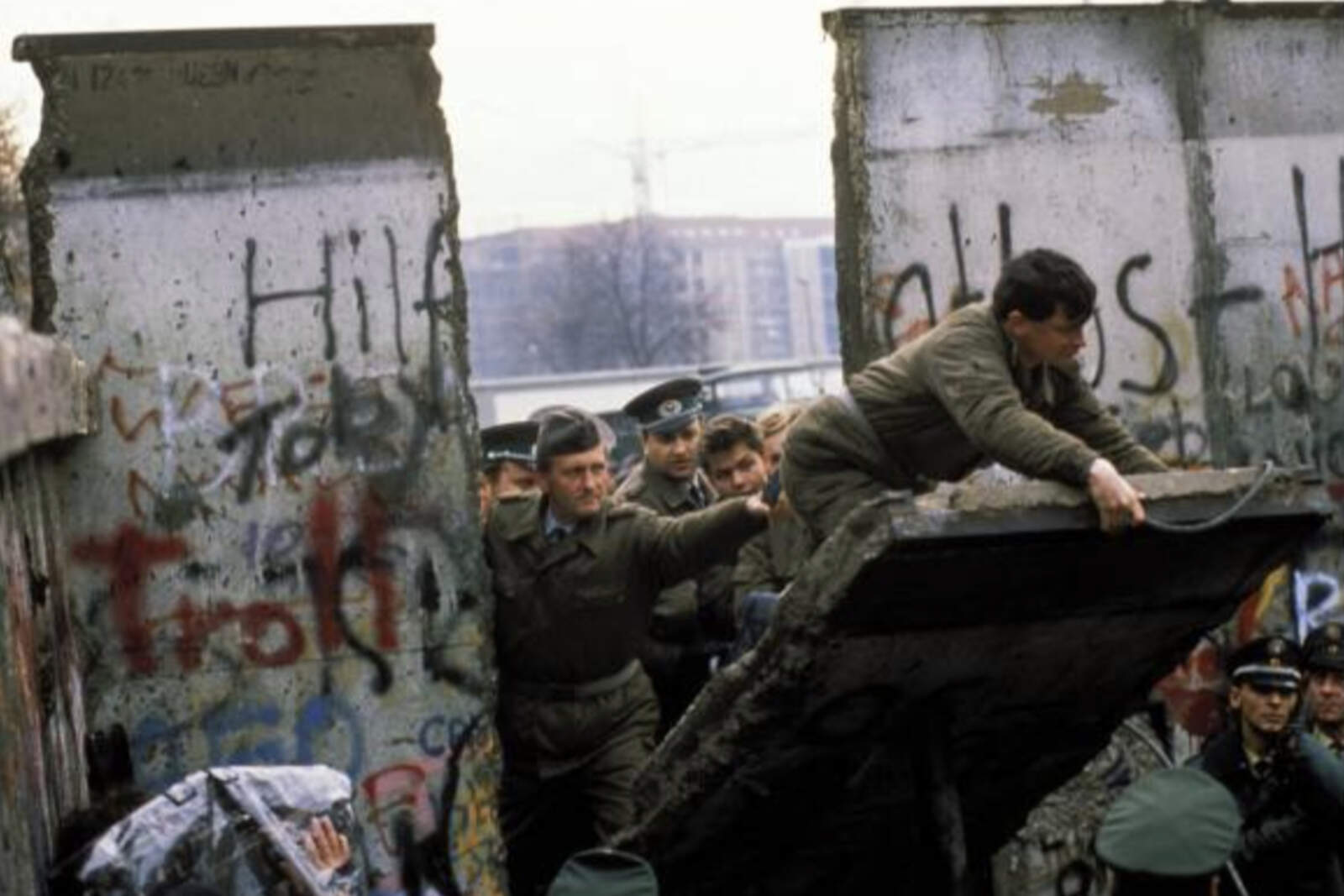
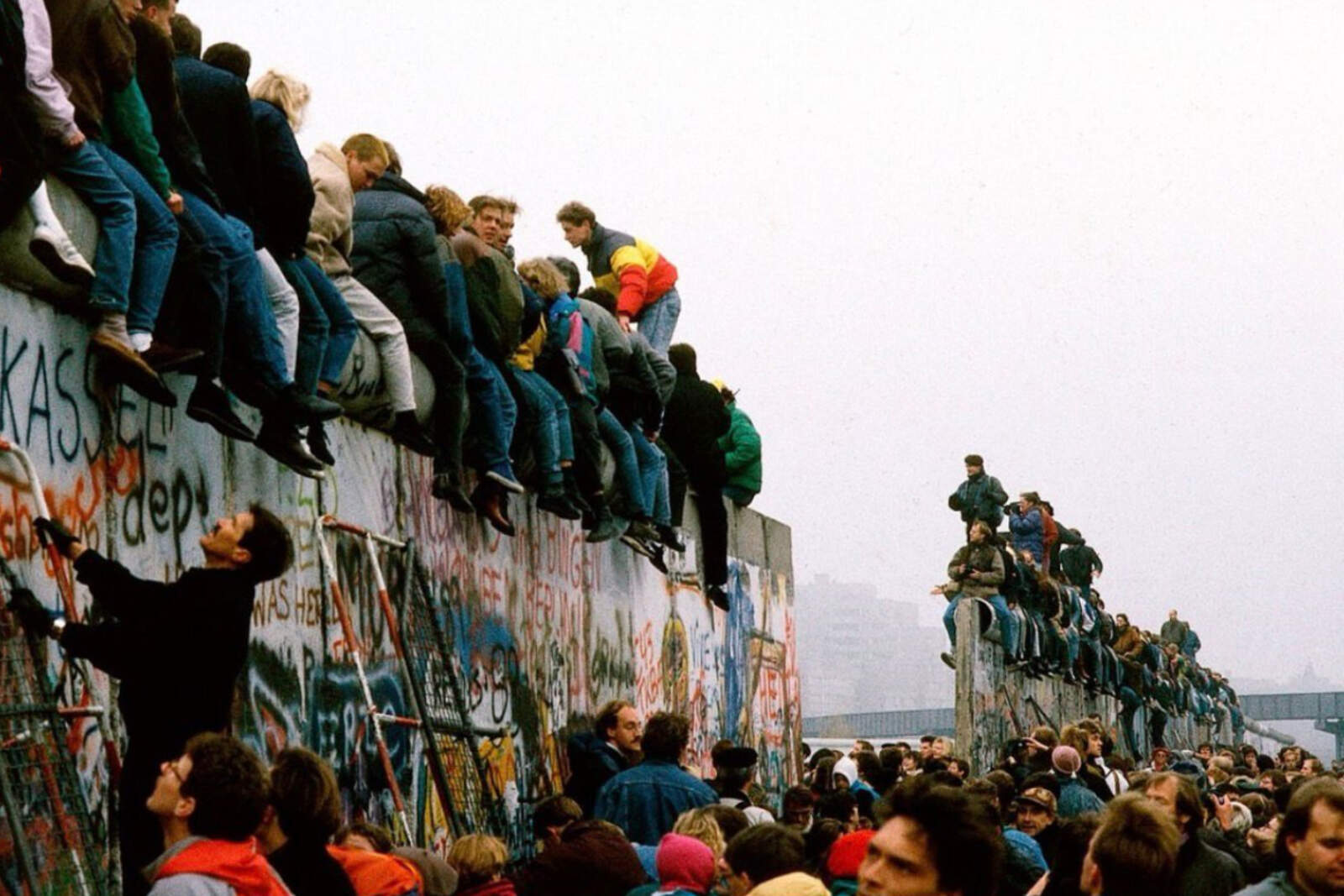
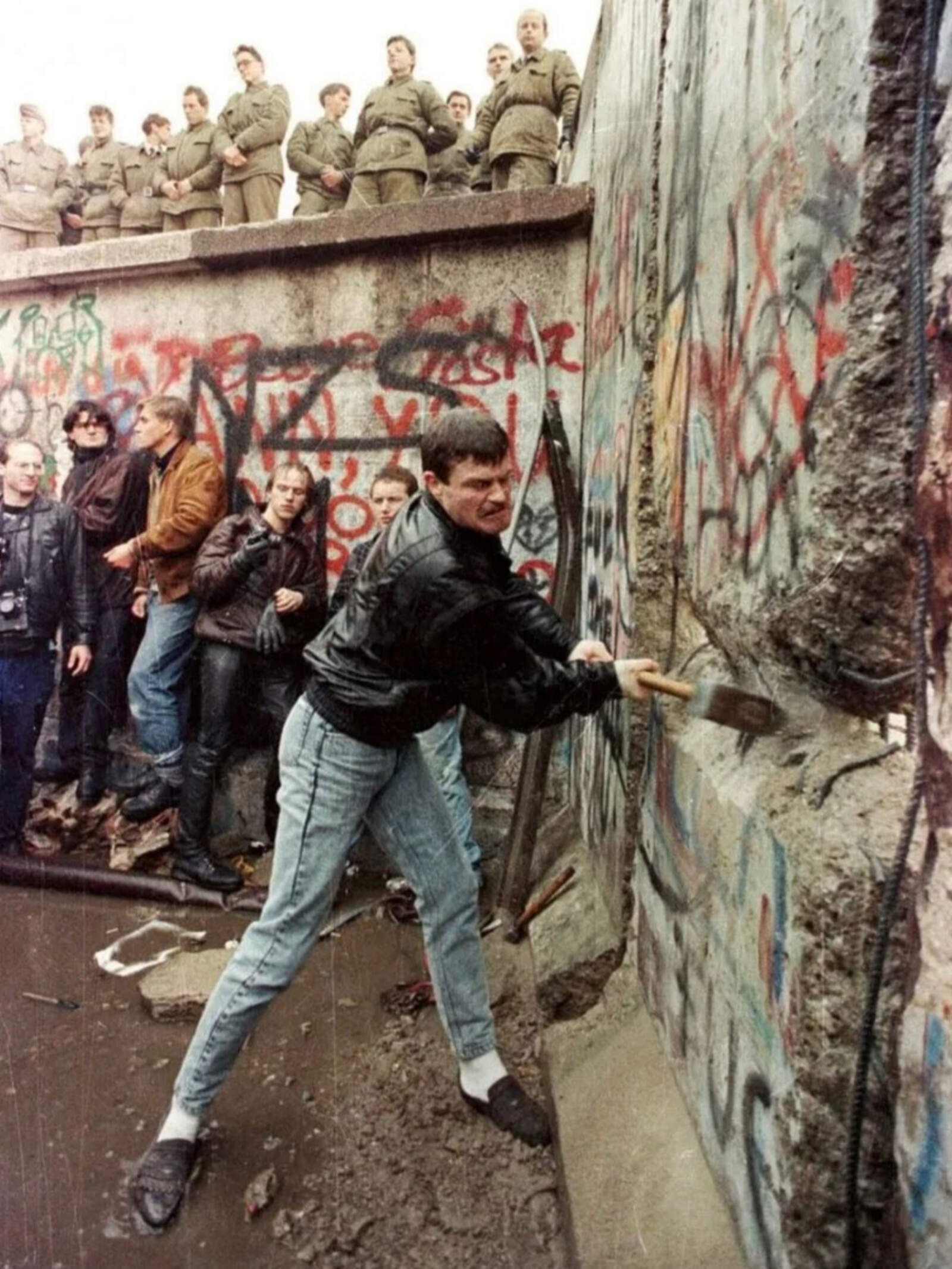
That night, the guards at the Bornholmer crossing let the crowds pass: people tore down the walls, embraced, danced. On November 9, 1989, not only did a concrete wall fall: years of fear collapsed, and thousands of families embraced again, dreamed again, and breathed freedom again.
La gente derribó aquel muro que limitaba su libertad
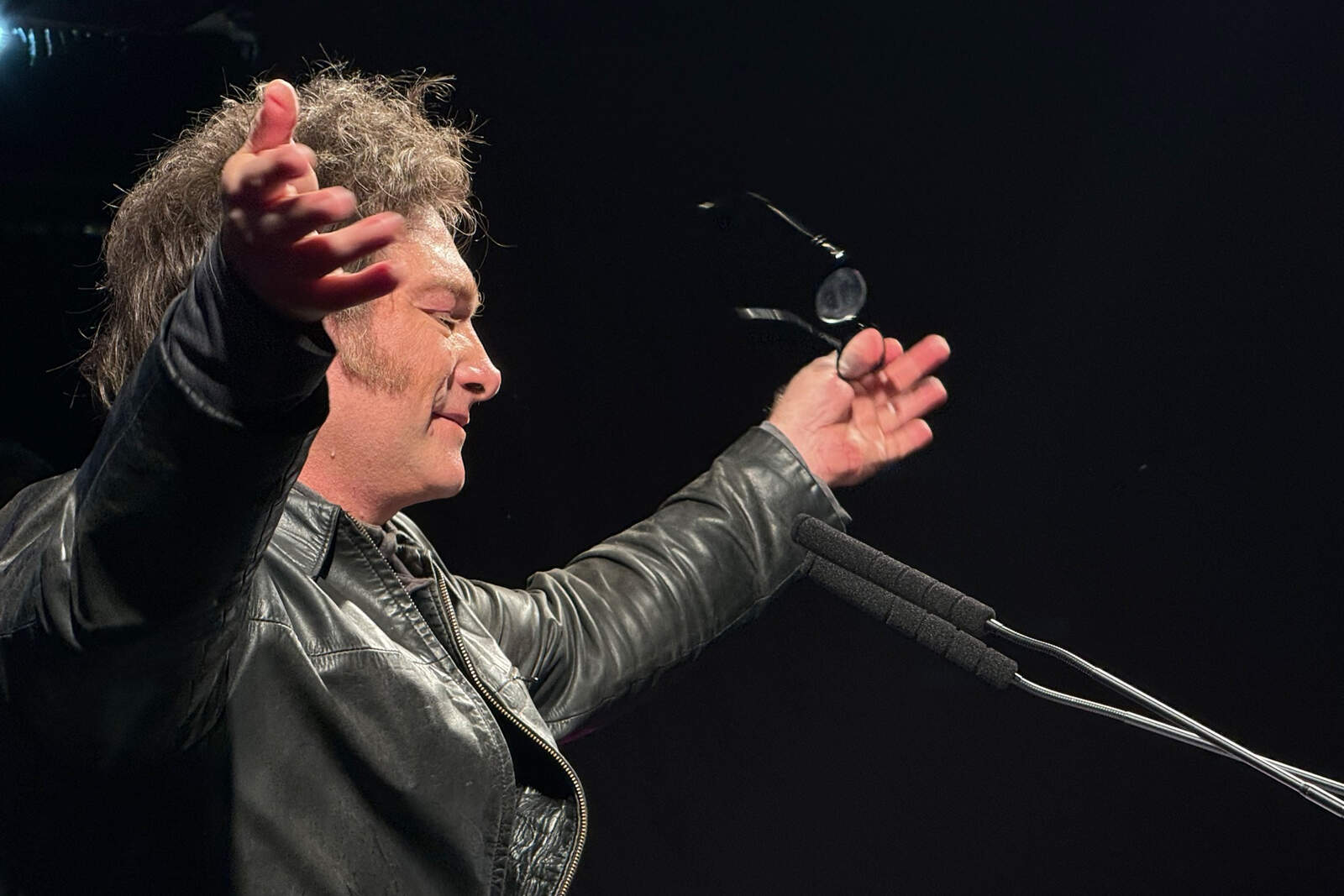
President Javier Milei conveyed these ideas very accurately in a post on X: "On a day like today, but in 1989, the sinister Berlin Wall fell and with it the lie of real socialism. Its fall exposed the failure of the socialist utopia, whose most important lesson is that well-being and justice are two sides of the same coin. Therefore, nothing that arises from despicable values such as envy, hatred, resentment, the removal of freedom, injustice, and murder—the underlying value base in every socialist experiment—will end well. It will only bring misery and violence in its wake. That's why, by embracing the ideas of freedom and the values of the West, well-being will come as a consequence, hand in hand with spontaneous order and the creativity of individuals. Long live freedom, damn it!"
Javier Milei cantó "Libre", de Nino Bravo, en alusión a los caídos en el Muro de Berlín
Thirty-six years later, the Wall still speaks to us. It reminds us that statist ideas are so oppressive that they always end up needing walls—real or symbolic—to sustain themselves. Although names or speeches may change, the spirit of control and censorship persists wherever there is distrust of freedom. Celebrating the fall of the Berlin Wall is not looking back at the past with nostalgia: it is reaffirming that every truly free society is built by tearing down the walls erected by those who fear people capable of forging their own destiny.