Political scientist Jérôme Fourquet examined 70 cases published by the press after the October 17 riots and found a majority of names associated with those origins
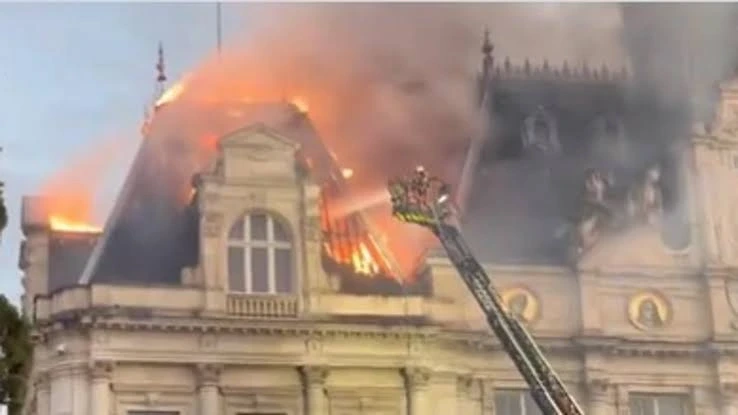
One of the most serious episodes occurred in Limoges, where a group of left-wing extremists attacked and set fire to the historic Town Hall building, inaugurated in 1883. The attackers broke windows and entered the building before starting the fire. The flames consumed much of the structure, destroyed the roof and caused the collapse of the 43-meter-high bell tower.
An analysis by French political scientist Jérôme Fourquet, linked to the IFOP research institute, revealed that approximately 75% of the 70 people identified in his study after the October 17 riots had names classified as being of Arab-Muslim or African origin.
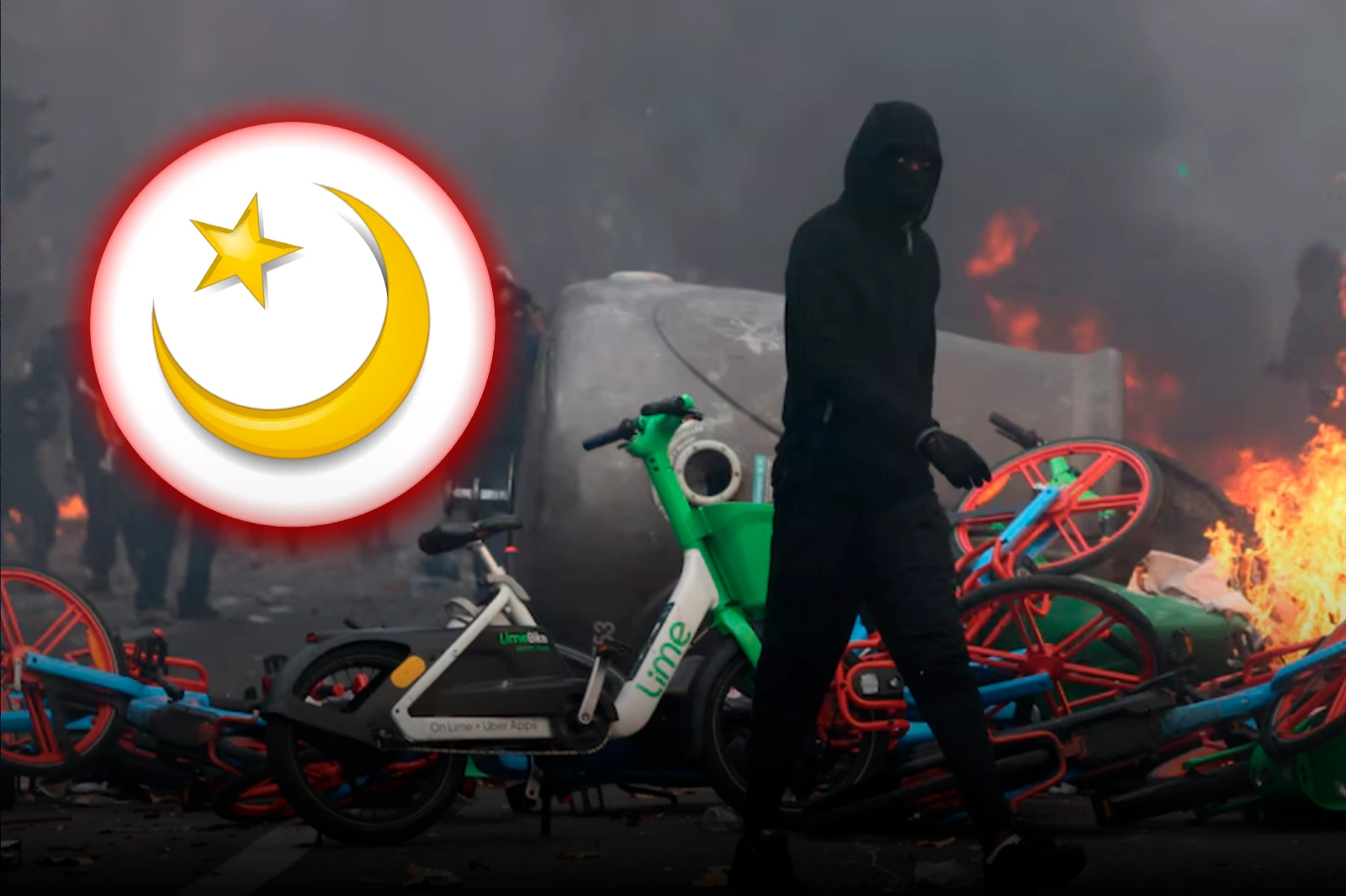
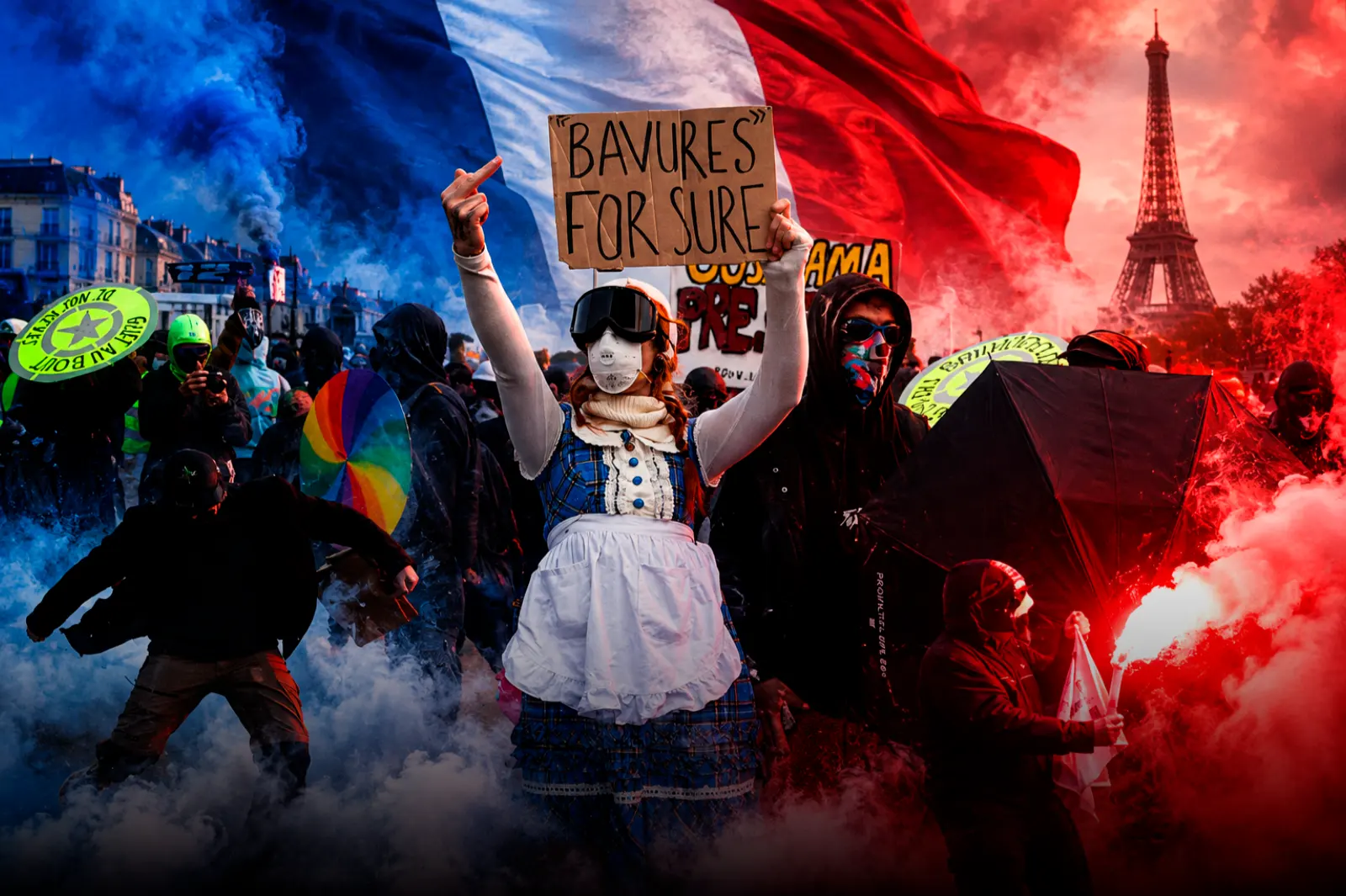
The incidents occurred during a day of national protests against the rising cost of living, which led to episodes of violence in different cities. According to the French Ministry of the Interior, around 550,000 illegal immigrants and extreme left-wing terrorists took advantage of the rallies to stage looting, arson and clashes with security forces
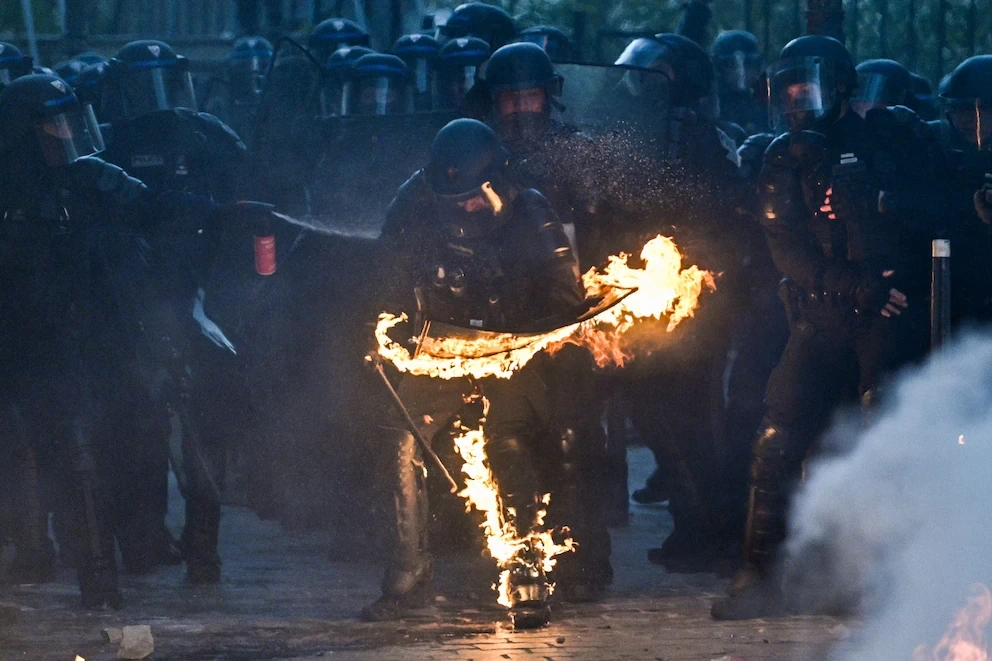
. French gendarmes being attacked by Molotov cocktails
The research was based on articles from national and regional media that reported on arrests and court appearances following episodes of violence. Fourquet compiled the published names and classified illegal immigrants according to their cultural or religious background.
The Prime Minister, Sébastien Lecornu, reported that there were approximately 1,200 arrests and that 150 officers were injured.
The investigation identified Hodei Ciarra, a 34-year-old left-wing extremist arrested on October 20, as the main suspect. According to the investigations, he threw a container with burning objects out a window, which started the
fire.
The violence also affected other cities. In Marseille, around 2,000 immigrants and extremists participated in attacks and destruction against the City Hall. In Paris, there were looting, barricades and clashes with the police, while Lyon and Bordeaux also experienced episodes of vandalism and attacks on
commercial establishments. French firefighters fighting the Limoges town hall fire
Fourquet's study fueled discussions about immigration, integration and security in France. His data show the risk of mass illegal immigration that the European country receives, in addition to the incompatibility of Muslim culture
with Western countries.
The riots revived the debate over the ability of French authorities to analyze the profile of those who participate in episodes of urban violence. The discussion takes place in a context of concern for public safety and questions about integration and immigration policies