
In the context of the historic geopolitical paradigm shift driven by President Javier Milei, the Argentine Republic has left behind decades of inaction, passivity, and Kirchnerist complicity to launch a frontal, legal, and economic fight in defense of national sovereignty over the Falkland Islands. The central milestone of this offensive occurred in the courts of Tierra del Fuego, Antarctica and South Atlantic Islands, where the Federal Court of Río Grande issued a historic precautionary measure ordering the immediate freeze of the Sea Lion project, located in the northern basin of the Falkland Islands.
The firm resolution was signed by federal judge Mariel Borruto, who granted a request jointly promoted by the Center of Ex-Combatants of the Falkland Islands La Plata (CECIM) and the Civil Association of Lawyers, Environmental Lawyers, and Professionals (AAdeAA).

In her ruling, Judge Mariel Borruto expressly ordered the illegitimate firms Rockhopper Exploration and Navitas Petroleum Development and Production Limited to "abstain from initiating, continuing, executing, or carrying out material acts of execution" of the Sea Lion oil project "to the extent that it depends on them".
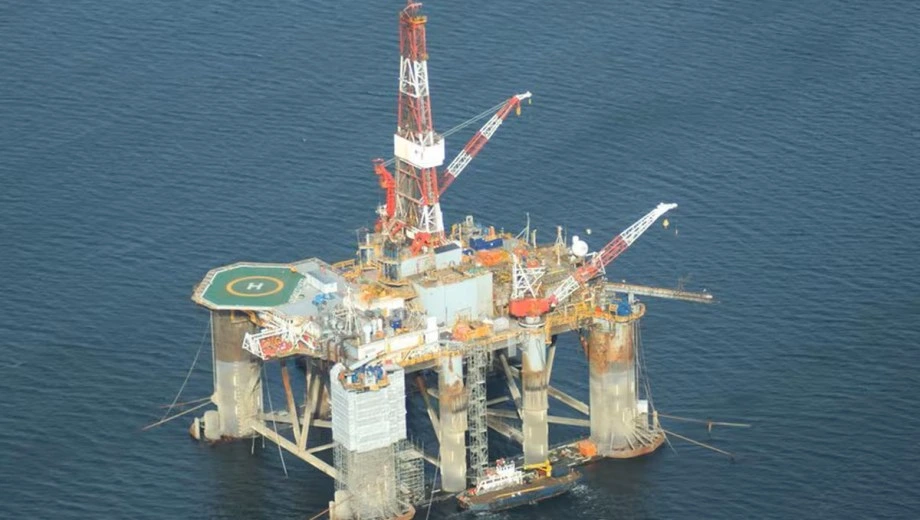
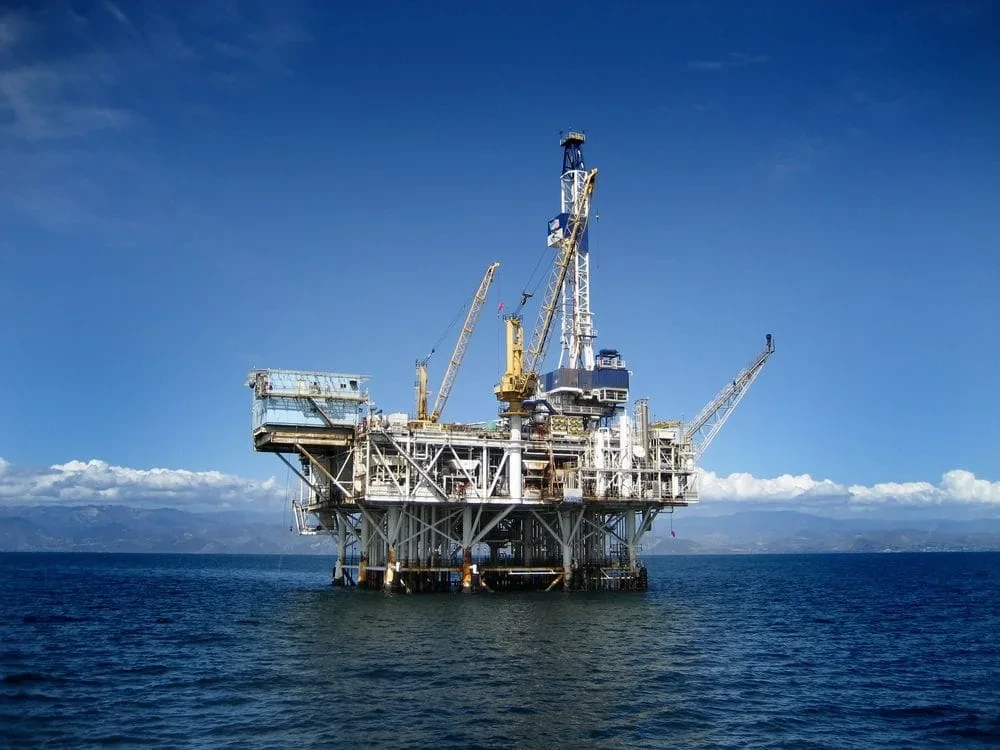
The judicial order is absolute and covers drilling of the seabed or subsoil to develop or exploit hydrocarbons, the permanent installation of underwater infrastructure, the laying of pipelines, flow lines, and control systems, as well as the operation of floating production, storage, and offloading units (FPSO), the start of commercial extraction, and the construction or approval of supporting land or port works.
Within this last category, the ruling explicitly blocked any port expansion, logistics base, drilling mud and cement preparation plant, chemical product storage, housing infrastructure, and facilities intended for aeronautical support in the area.

The magistrate based her decision on the preventive and precautionary principles of Argentine environmental legislation, establishing that the prohibition will remain in effect until the environmental impact assessment (EIA) procedure provided for in the General Environmental Law is carried out before the competent national authorities of the Argentine Republic. The resolution cited an official report from the Environmental Impact Assessment Directorate of the Undersecretariat of Environment, dated February 24, which conclusively certified that the usurping companies had not submitted "any project notice" nor initiated any proceedings before the Argentine agencies.
When analyzing the danger in delay, Judge Mariel Borruto emphatically stated that "the risk is neither hypothetical nor remote", confirming that the initiative contemplated 23 wells (16 oil producers, 6 water injection, and 1 remote gas injection), along with mobile drilling units that exposed the ecosystem to seabed alteration, chemical contamination, underwater noise, operational discharges, and spills. Furthermore, the magistrate emphasized that behind the precautionary measure lies "the defense of national sovereignty", defining it as an indivisible collective good and a superior federal interest.