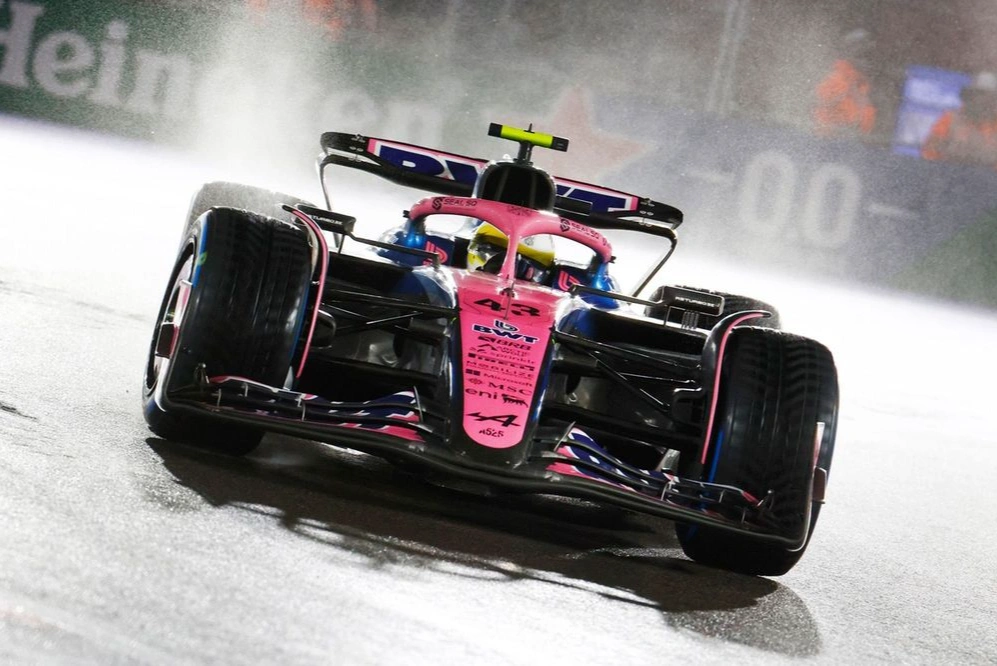

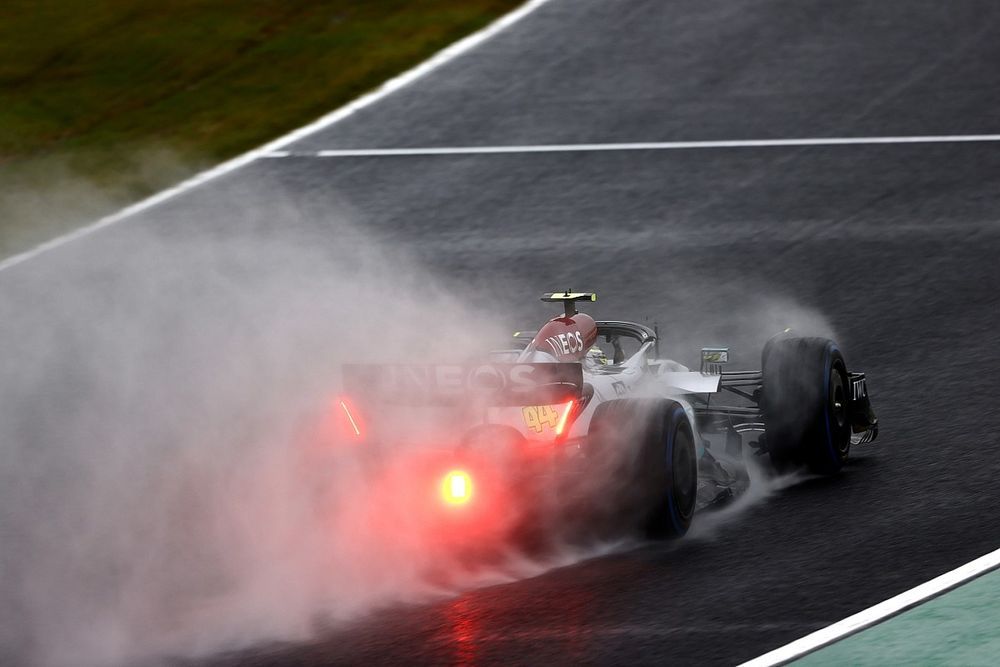
A few days before the start of a new season with the Australian Grand Prix and after 85 days without official activity, Formula 1 announced a major regulatory amendment focused on safety under rainy conditions. Since 2026, the International Automobile Federation (FIA) will introduce the concept of "Rain Hazard “, a measure aimed at resolving a historic demand from the teams.
The rule will be activated when there is a 40% or more chance of rain between qualifying and the race. In that case, the risk condition will be officially declared and the teams will be able to modify certain components of the cars, specified in a reserved technical document, without receiving sporting or economic sanctions
.
The change directly impacts the traditional Parc Fermé (Closed Park) system, one of the most emblematic rules in the category. It dictates that, after the close of Q1, cars are under supervision and their technical configurations cannot be altered. Any modification involves penalties that usually result in starts from the pit lane or fines, depending on
the severity.On more than one occasion, several teams chose to break that condition to prioritize performance, even though they knew they should take the punishment. The historic appeal focused on a specific scenario: dry qualifiers and races in the rain. With low downforce settings designed for dry tracks, cars lose grip when the asphalt is wet, which not only affects performance but also increases
road risk.
With the creation of “Rain Hazard”, the FIA seeks to balance the competitive spirit of the regulation with greater safety guarantees, allowing preventive adjustments when the weather
justifies it.The full schedule for the first Grand Prix of the season
The new Formula 1 season kicks off its engines this weekend with the Australian Grand Prix. The action will take place between Thursday 5 and Sunday 8 March at the Albert Park circuit in Melbourne.
Thursday 5