The municipal elections held in the United Kingdom left a political earthquake that hit the Labour government of Keir Starmer squarely and consolidated Reform UK, the party led by Nigel Farage, as one of the country's main emerging forces.
The big winner of the day was Reform UK, which added 1,353 new councillors and went on to have a total of 1,355 municipal representatives, achieving one of the greatest recent electoral advances in British politics.
The growth of the party occurred especially in working-class cities, industrial municipalities and areas where both conservatives and labor historically dominated.
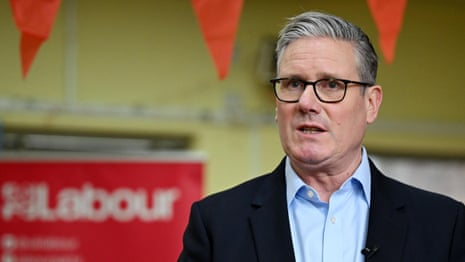
British Prime Minister Keir Starmer
In contrast, the Labour Party suffered the worst municipal defeat in its history. Labour lost 1,214 councilors and was reduced to 864 local representatives, in a devastating result for the ruling party and for the leadership
of Keir Starmer.
The conservatives also failed to prevent the collapse. The party lost 481 councilors and fell to 661 municipal representatives, deepening the internal crisis that the traditional British right has been going through for several years
.
Meanwhile, the Liberal Democrats achieved moderate growth, adding 93 councilors to reach a total of 724 local banks.
The Green Party also registered a strong rise, adding 296 new representatives and reaching 416 councilors across the country.
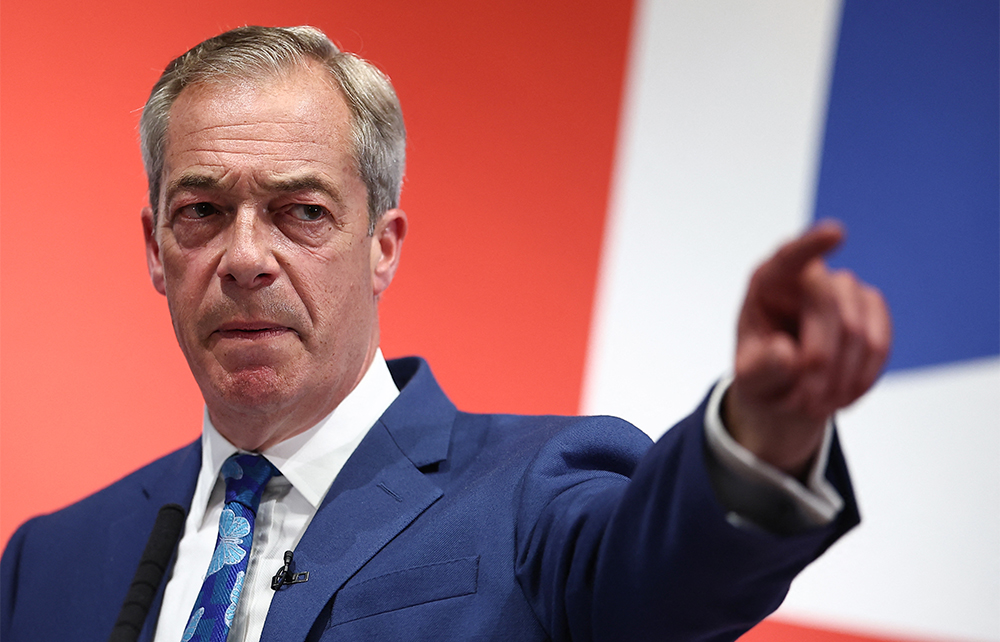
Reform UK leader Nigel Farage
Independent candidates, on the other hand, lost 23 seats and were left with 131 municipal representatives
.
Reform UK's breakthrough was driven by a campaign focused on illegal immigration, insecurity, fiscal pressure and rejection of the British political establishment. Farage's party managed to attract thousands of voters who were disenchanted with both the Labour government and the
Conservatives.
In multiple industrial municipalities, Farage's party completely displaced Labour as the main local political force.
After the results became known, strong internal tensions began within the Labour Party. Different leaders questioned Starmer's political strategy and there were growing demands for changes in party leadership because the prime minister seeks to maintain his position despite the
results.
Nigel Farage welcomed the results and stated that Reform UK ceased to be a fringe party to become a national force capable of competing for power throughout the United Kingdom.
The results also confirmed a profound change in the British political map, with traditional parties losing ground in the face of the growth of new political forces and the increase in social discontent.