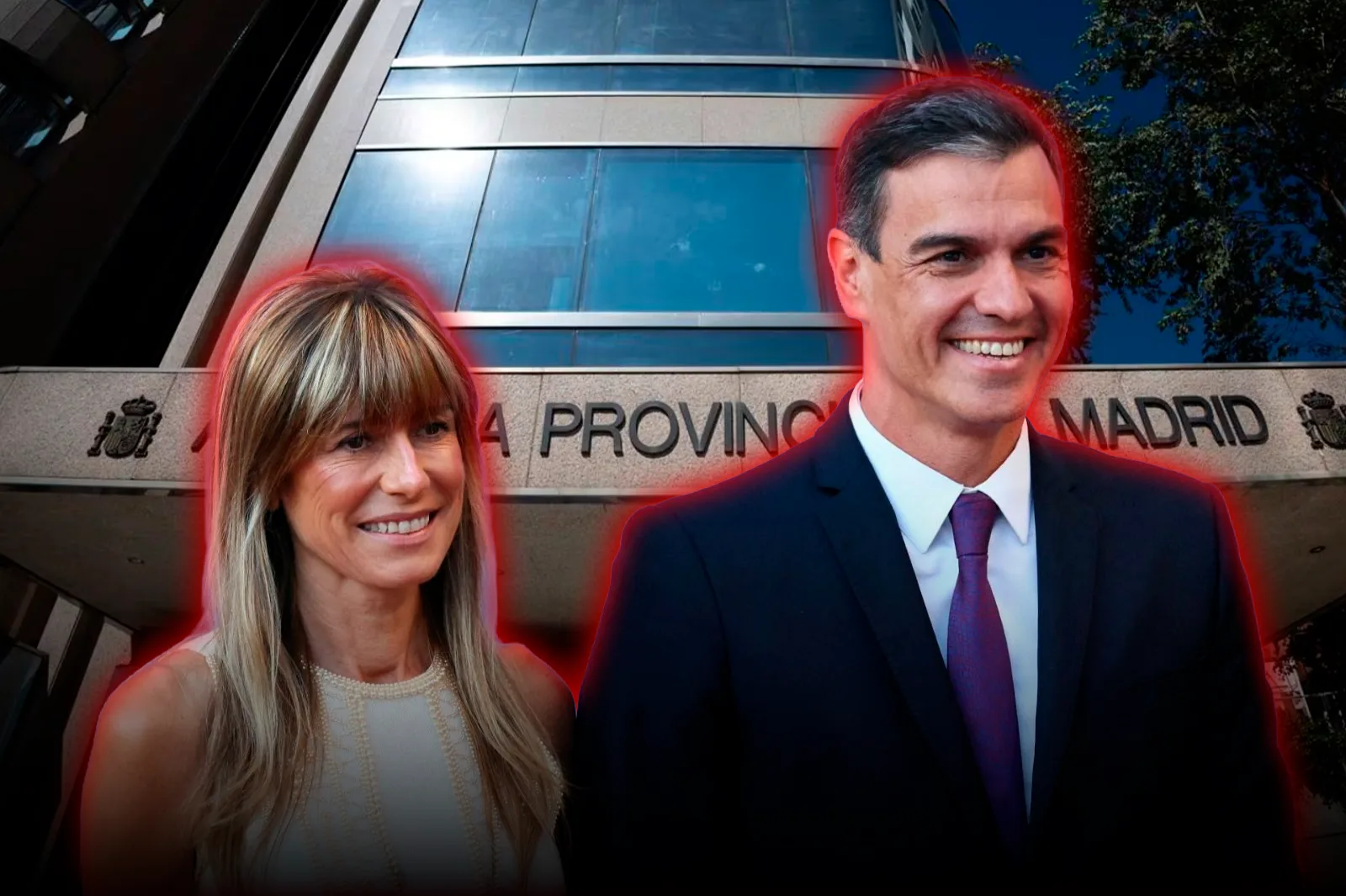
They prosecuted Begoña Gómez, wife of the Spanish socialist president, Pedro Sánchez, in the context of a judicial case investigating alleged crimes of influence peddling, corruption in business in the private sector, embezzlement of public funds and misappropriation
.
The resolution was adopted by Judge Juan Carlos Peinado, who also ordered that the process continue to the oral trial stage.
In the same decision, they also prosecuted their advisor, María Cristina Álvarez, for the same crimes. The magistrate also included businessman Juan Carlos Barrabés, who is charged with the crimes of influence peddling and corruption
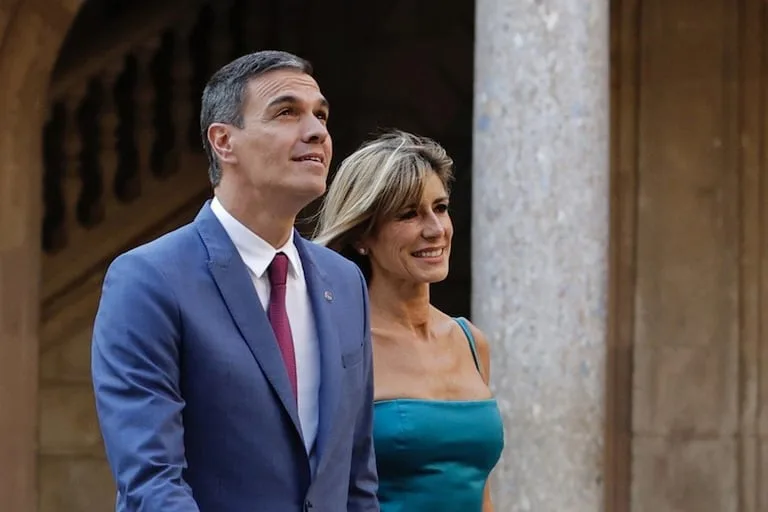
in business. Pedro Sánchez and Begoña Gómez.
“A period of five days is granted to all parties in person, to urge what they deem appropriate with regard to the opening of the oral trial, formulating the corresponding written of provisional findings,” the
court document indicates.
According to the prosecution, the facts under investigation date back to the period after Pedro Sánchez became president of the Spanish Government.
In this context, they argue that Begoña Gómez expanded her network of contacts and influence, especially based on her functions at the IE Africa Center and her role in the Master of Fundraising at the Complutense University of Madrid (UCM).
One of the axes of the case is the hiring of María Cristina Álvarez, who, according to the accusation, would have been incorporated with a public salary to assist Gómez in both professional and private activities. Since 2018, Álvarez would have received 361,423.40 euros gross in his position at Moncloa
.
The research also focuses on the creation and control of the Chair of Competitive Social Transformation (TSC) at the UCM. As detailed, Gómez registered the brand TSC and the web domain transformatsc.org under his name, in addition to moving forward with the establishment of a company with the same name
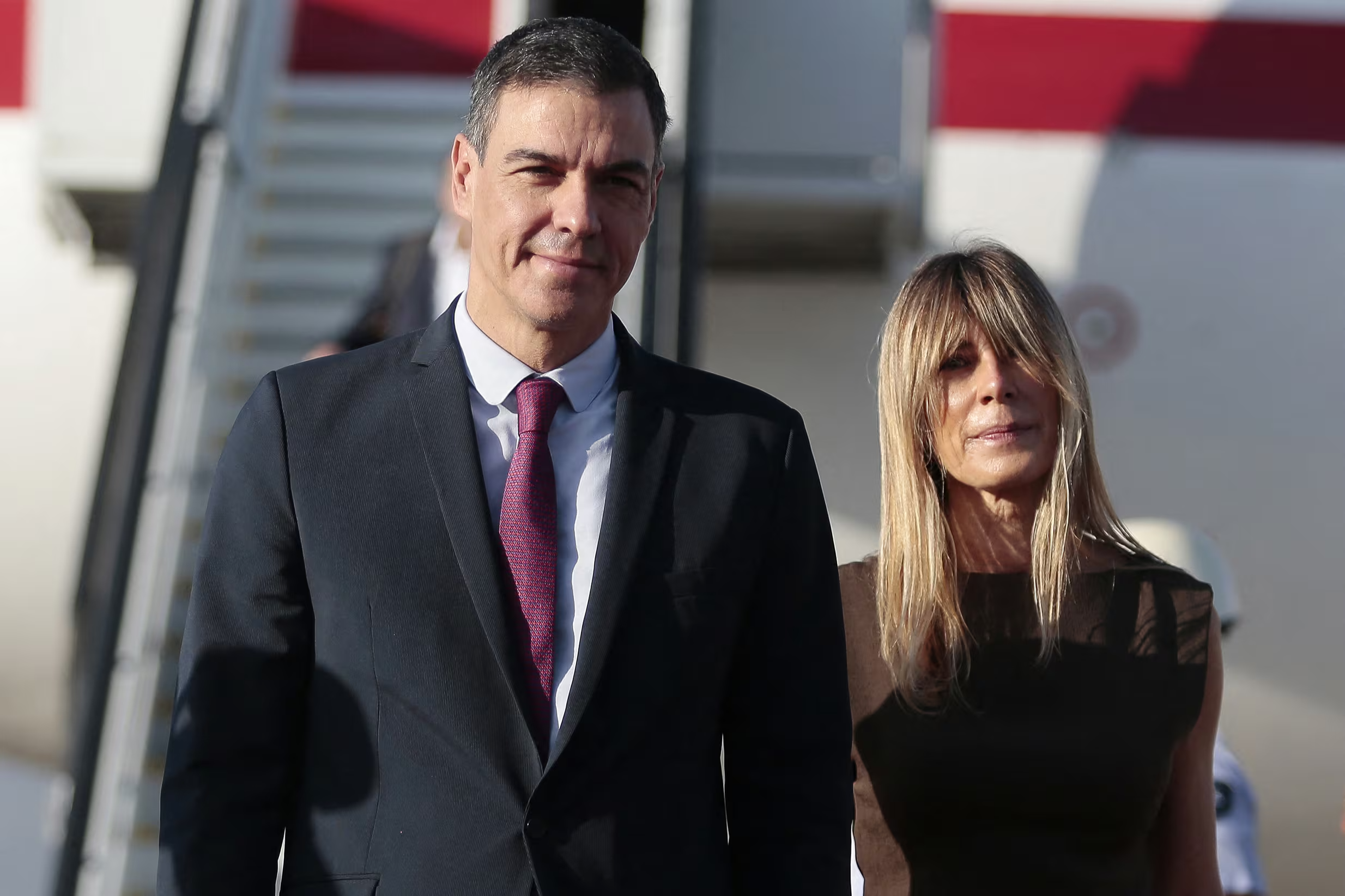
in November 2023. Pedro Sánchez and Begoña Gómez.
In relation to the development of the software linked to the chair, the prosecution maintains that it was carried out with public resources and private contributions. Companies such as Indra, Telefónica, Google and Reale Seguros would have contributed more than 300,000 euros, while the Complutense University estimated an economic loss
of at least 108,765.79 euros.
For her part, María Cristina Álvarez would have played an active role in the management of these projects, participating in tasks of monitoring and representing the chair. According to the prosecution, he used the Moncloa's institutional email, which allowed him to give “institutional appearance to the project and increase the weight
of requests”.
As for Juan Carlos Barrabés, the case indicates that he would have collaborated in the creation and advice of the chair and that he received letters of recommendation signed by Gómez from the management of the master's degree, which would have benefited his companies in public tender processes.