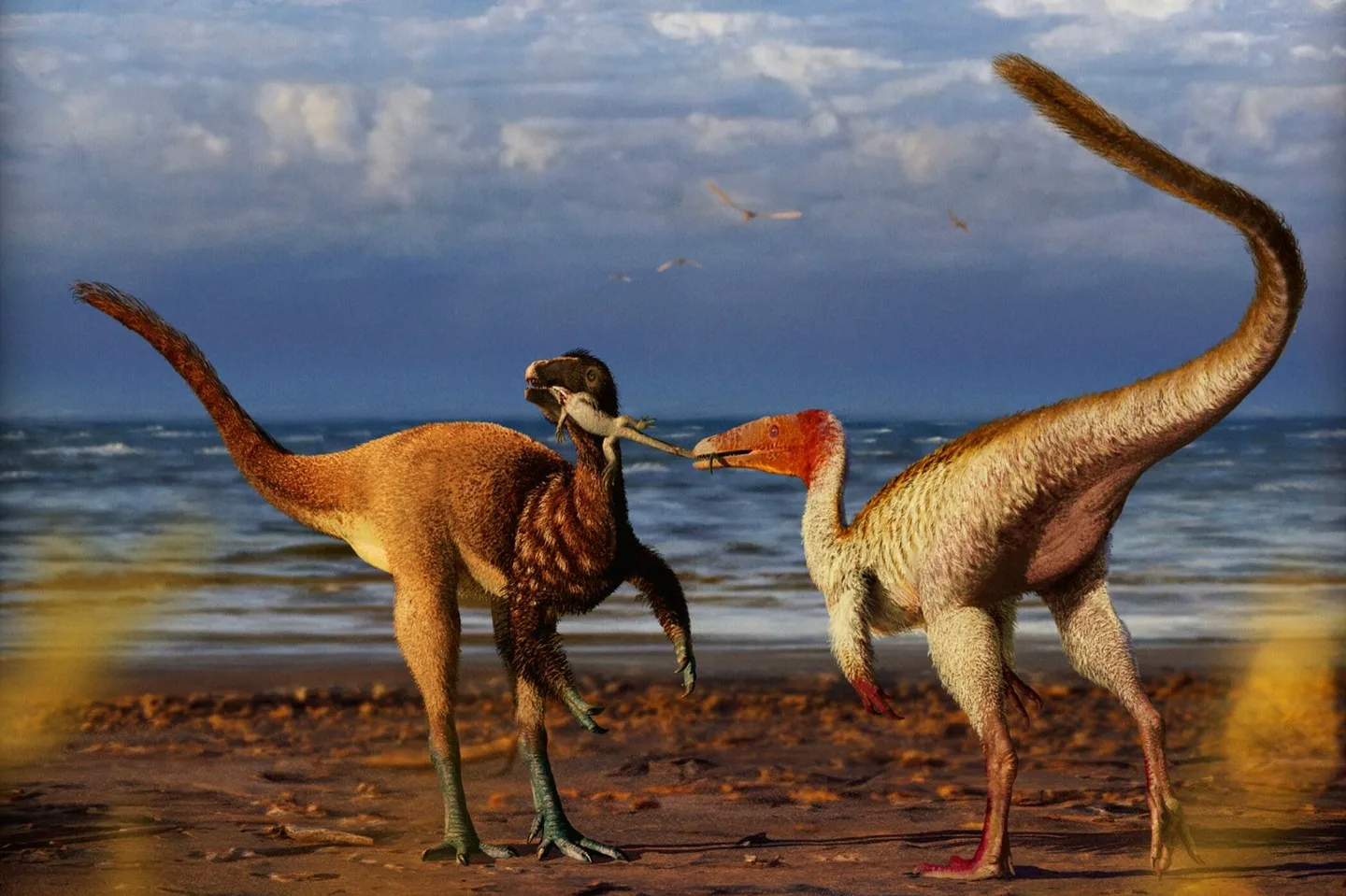

An international team of scientists discovered chemical evidence of ancient blood in the bones of a dinosaur that lived approximately 115 million years ago The finding, made in remains of Aratasaurus museunacionali found in northeastern Brazil, raises new possibilities for investigating how certain biological molecules were preserved over millions of years
The research was led by Kliti Grice, a professor at Curtin University in Australia, and was published on November 2 in the scientific journal Proceedings of the National Academy of Sciences (PNAS)
The discovery of fossilized blood in a dinosaur
The researchers examined limb bones of Aratasaurus museunacionali, a carnivorous dinosaur that inhabited what is now Brazilian territory during the Cretaceous period
Within the vascular channels of the bones, they found small mineralized structures compatible with red blood cells
The analyses also identified molecules related to heme, a component of hemoglobin that allows oxygen to be transported in the blood
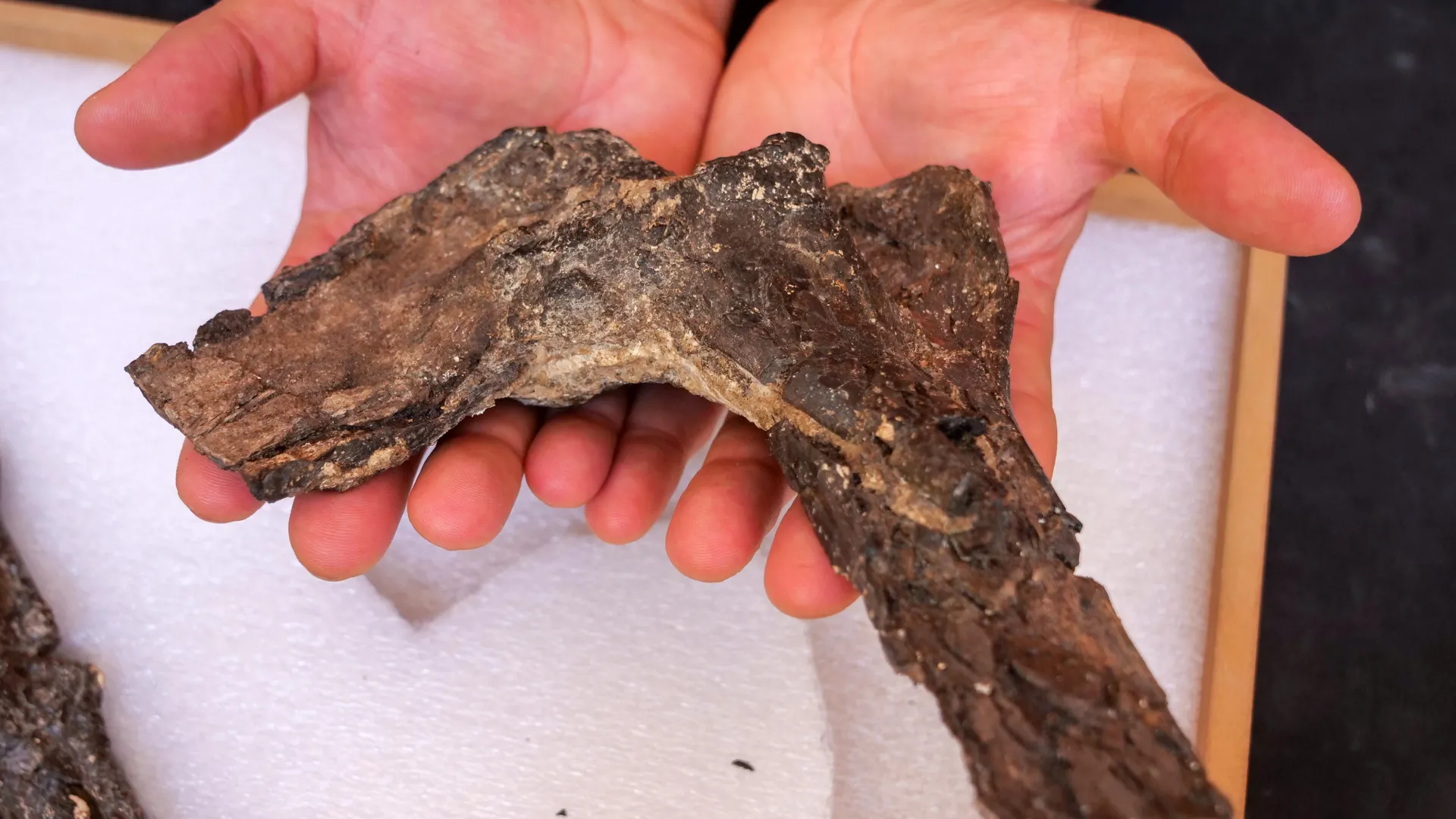
The team believes that the combination of these chemical signals and their location within the fossil constitutes one of the strongest pieces of evidence obtained so far about the preservation of blood components in dinosaurs
The scientists' surprise at the preservation of the molecules
Grice emphasized the importance of the result for understanding how certain substances can withstand extraordinarily long geological periods
“Detecting intact molecules derived from heme in red blood cells from 115 million years ago is astonishing: it truly is a historic discovery”, she stated
The researcher explained that these results allow for molecular information about extinct animals and examination of aspects of their biological functioning
Amino acids associated with collagen were also identified, a protein essential for the structure of bones and connective tissues
However, the discovery does not mean that liquid blood, complete hemoglobin, or usable DNA has been recovered It involves mineralized structures and chemical traces that survived the fossilization process
How they managed to survive for 115 million years
One of the main explanations proposed by the researchers is related to the presence of hausmannite, a mineral composed of manganese oxides
The scientists believe that this material may have helped stabilize cellular structures and preserve some chemical components