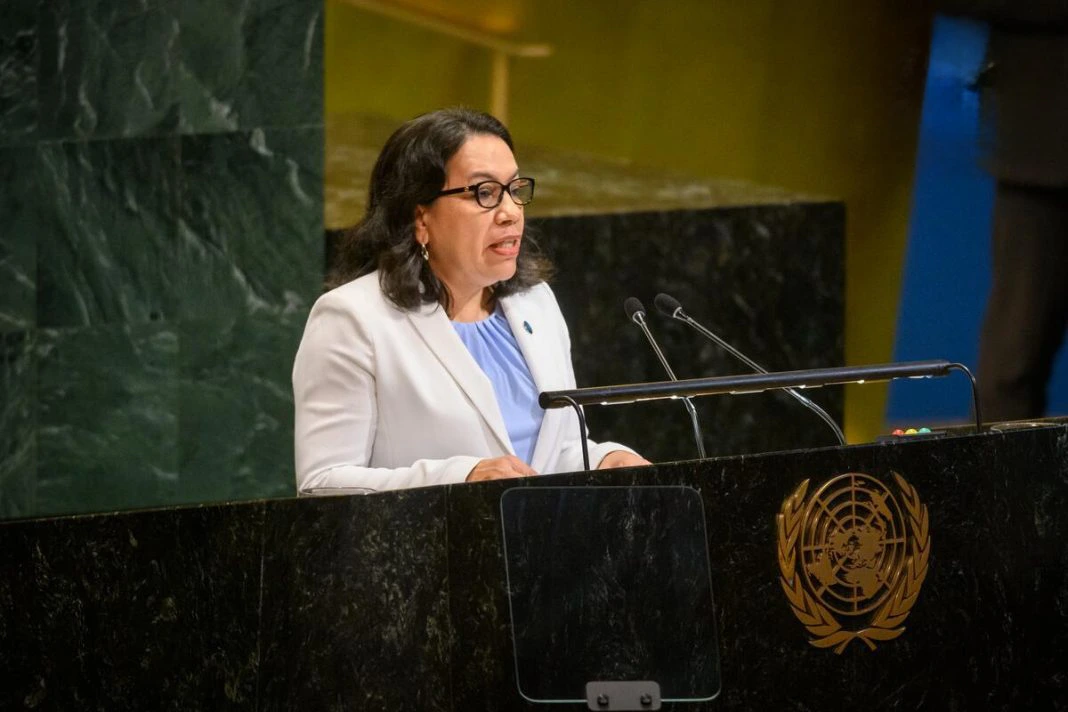
In the race for the Secretary-General of the United Nations (UN), Costa Rican Rebeca Grynspan lost her first place and was overtaken by the former foreign minister of Guyana, the leftist Carolyn Rodrigues-Birkett, who now leads the second informal vote held by the Security Council.
Rodrigues-Birkett received eight votes to “encourage” her candidacy, three to “discourage” it, and four ballots with no opinion, according to unofficial results that emerged from the meeting.
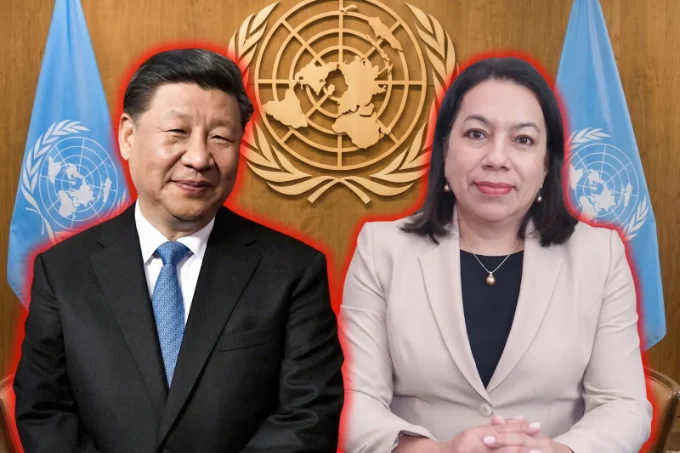
The advance of the leftist Guyanese candidate is particularly significant due to the strong support she receives from China.
Rodrigues-Birkett
The regime of Xi Jinping had previously supported the candidacy of former leftist Chilean president Michelle Bachelet, but due to a lack of sufficient backing in the early rounds, it has now shifted its support to Rodrigues-Birkett.
Grynspan, who had led the first consultation, recorded a setback. In this second round, she received seven favorable votes, four against, and four with no opinion, while on July 30 she had obtained 10 endorsements, one rejection, and four ballots with no opinion.
In just 22 days, the Costa Rican lost three supports and gained three negative votes, a change that ultimately favored Rodrigues-Birkett's rise to first place.
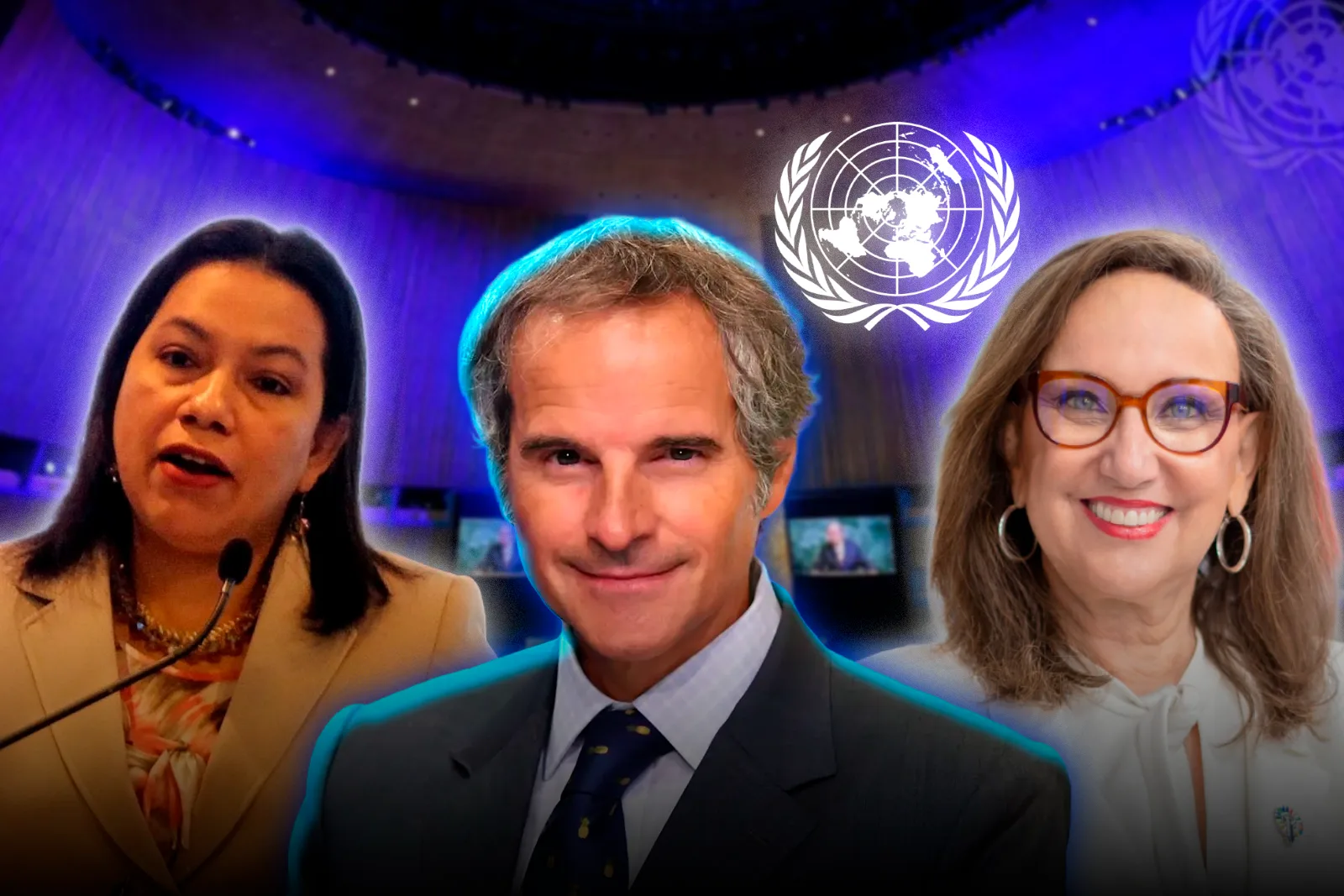
The three candidates with the most support
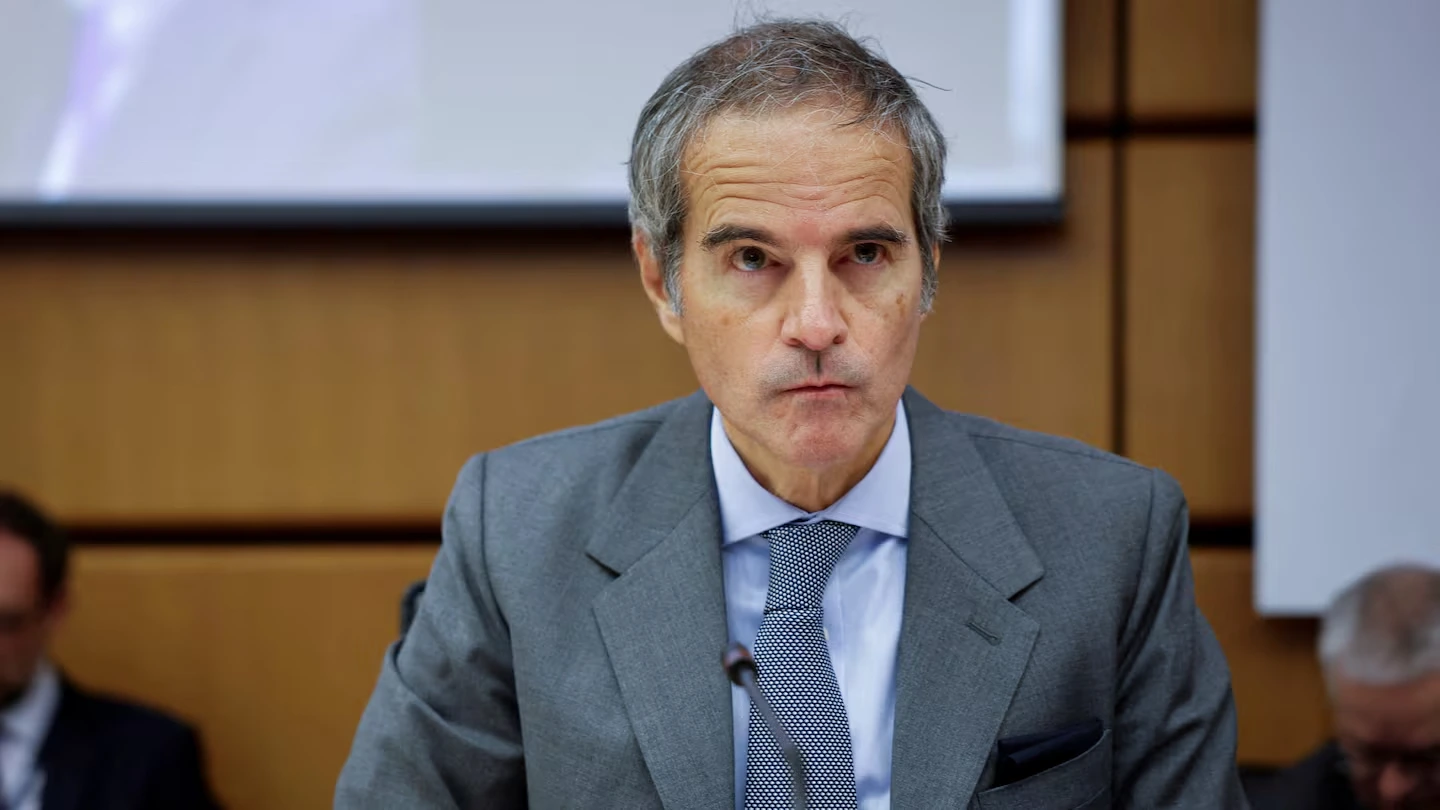
The Argentine Grossi among the most supported
In this scenario, Argentine Rafael Mariano Grossi, current director general of the International Atomic Energy Agency (IAEA), maintained a competitive position and again received seven favorable votes, tied with Grynspan.
Grossi received six votes to “discourage” his candidacy and two ballots with no opinion. With this support, the Argentine remains among the candidates with the highest number of endorsements in a race that is still open.
The second consultation does not allow for predicting a winner. None of the candidates has yet achieved a sufficiently solid majority to guarantee that they will be recommended by the Security Council.
The procedure includes indicative votes among the 15 members of the Council, who can indicate whether they wish to “encourage,” “discourage,” or not express an opinion on each candidate. Individual results are confidential, so it is not known which country supported or rejected each candidate.
Rafael Grossi
The weight of the veto
The decision will hinge on the five permanent members of the Security Council: United States, Russia, China, France, and United Kingdom. Each has veto power, so a candidacy can gather significant support and still be blocked.
For a candidate to be formally recommended to the General Assembly, they need at least nine favorable votes among the 15 Council members and not receive a veto from any of the five permanent members.
Currently, there are eight candidates seeking to succeed António Guterres, whose second term will end on December 31, 2026. In addition to Grynspan, Rodrigues-Birkett, and Grossi, the candidates include Macky Sall, Olara Otunnu, María Fernanda Espinosa, Michelle Bachelet, and Ivonne A-Baki.
With the candidate backed by China now in the lead, the race for the UN Secretary-General enters a new phase, while Grossi remains among the names with the most support and keeps the possibility of advancing in the competition open.