The Japanese automaker will enter the RIGI to build a new plant in Zárate, with over USD 1.280 billion in annual exports and 2,600 jobs during operation
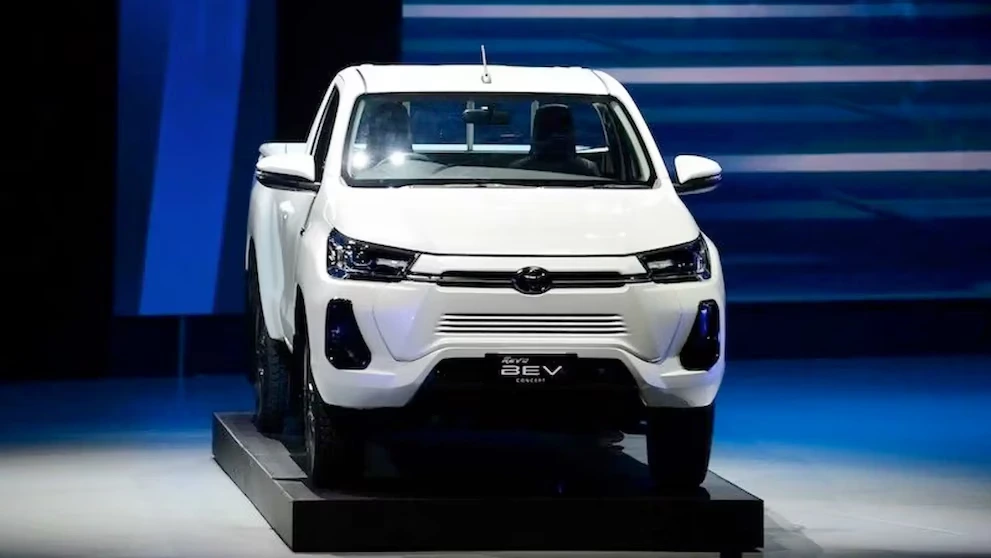
Argentina will produce the 100% electric version of the Toyota Hilux
In terms of commercial and international market integration, the project exhibits an aggressive export profile. Official projections estimate annual sales abroad of USD 1.280 million, a volume that corresponds to about 70% of the total estimated production for the new industrial facility.
In socio-labor terms, the project will require more than 3,600 jobs during the civil construction phase, while the operational phase will generate over 2,600 direct and indirect jobs linked to the plant and the supply chain.
Diving into industrial and technological specifications, the venture includes the construction of an independent facility focused on the production of a 100% electrified vehicle, incorporating a “technology not currently manufactured in the country”.
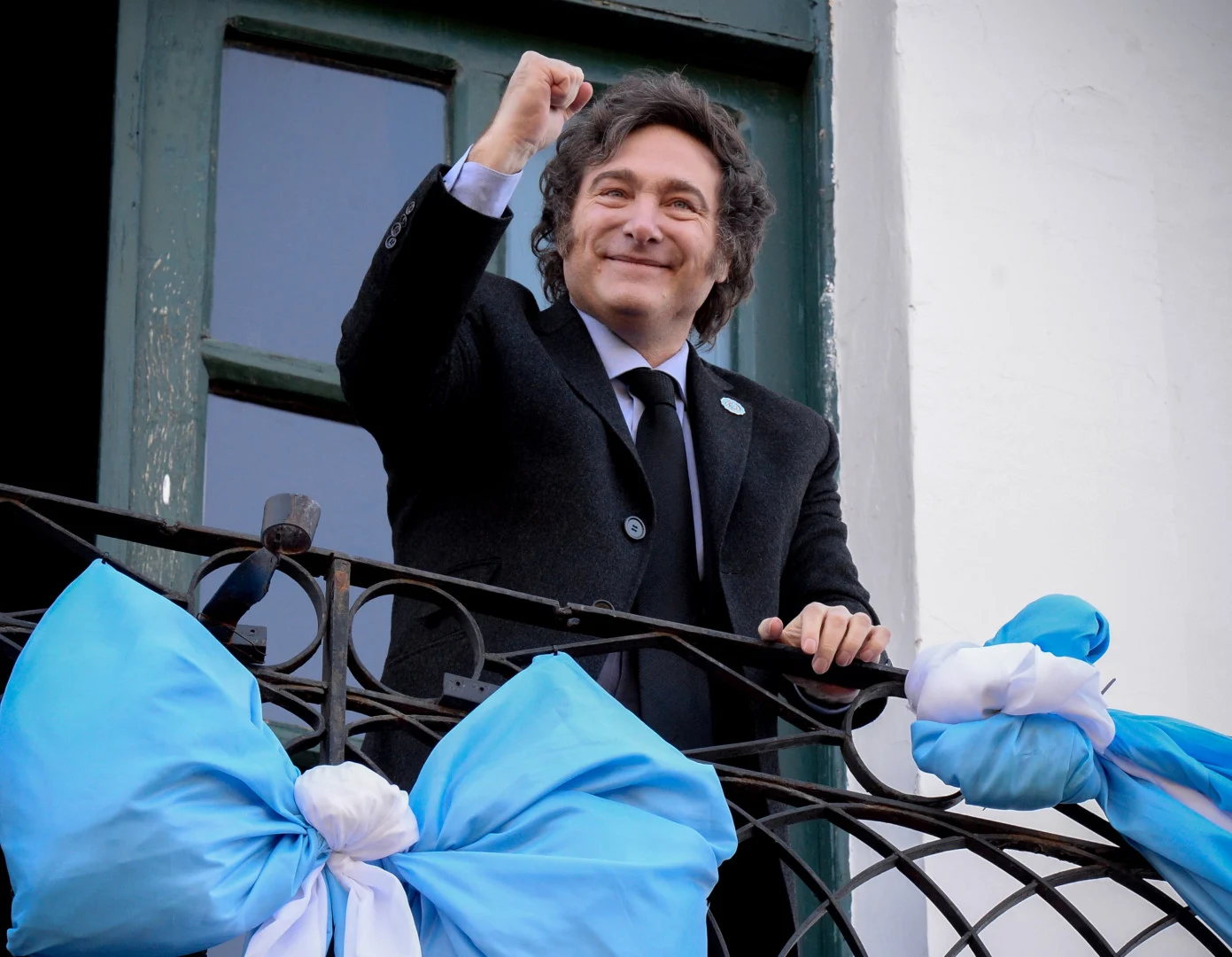
The president, Javier Milei
According to reports from specialized media such as Autoblog, the facilities will be located next to the current building where the conventional Hilux pickup and the SW4 are manufactured, autonomously maintaining the assembly line of the Hiace utility vehicle.
The automaker confirmed that it will locally produce the mild hybrid (MHEV) and 100% electric (BEV) variants of the Toyota Hilux, with the official presentation starting from the end of the year with a staggered commercial launch.
In technical terms, the electric Hilux variant designed to supply the regional market will be equipped with two motors (one on each axle) that develop 196 HP and 470 Nm of torque, featuring permanent AWD traction. The system will power its engine through a lithium battery of 59.2 kWh, ensuring an estimated range of 300 km. With this unprecedented technological transfer and production scale, Argentina consolidates under the management of Javier Milei as the most competitive electrified automotive hub in the region.
The framework of stability, deregulation, and incentives for private capital driven by the management of President Javier Milei has begun to consolidate the most ambitious productive milestone in the annals of national industrial developmentnational. In a clear vote of confidence towards the model of freedom implemented through the Incentive Regime for Large Investments (RIGI), created under Law 27.742, the Japanese automaker Toyota officially announced a record disbursement of USD 1.341 million.
This historic capital injection marks a turning point for the Argentine automotive industry, positioning the country at the forefront of international competitiveness and projecting a massive labor impact exceeding 6,000 jobs between the construction and operation phases.
The president, Javier Milei
The formal announcement was led by the Minister of Economy, Luis Caputo, who confirmed the technical approval issued by the RIGI Evaluation Committee under the Ministry of Economy. Through his official account on the social network X, the official celebrated the news with the headline “New RIGI approved”, emphasizing that the project based in the city of Zárate, province of Buenos Aires, represents “the largest investment in history in the Argentine automotive industry”. Furthermore, the minister highlighted the strategic vision of the Government by stating: “More productive investment, more jobs, and more exports for Argentines”.
From a corporate perspective, Toyota Argentina —a company that has been operating continuously in its Buenos Aires facility since 1997— issued an official statement highlighting that it became the first automotive terminal to formally join the RIGI.
The company explicitly praised the impact of the reforms driven by the Government of Javier Milei, stating that initiatives like the RIGI“contribute to improving competitiveness, providing greater long-term predictability, and creating a favorable environment for investments”, constituting a fundamental step to strengthen Argentina's export platform towards all of Latin America.