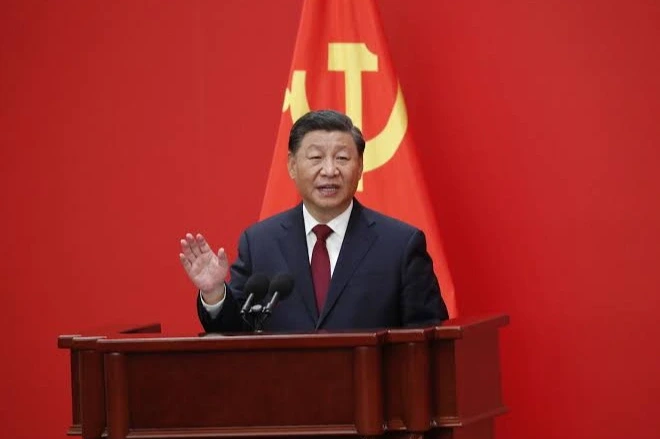
Amid growing tension in Asia, China has taken another step in its strategy against Taiwan, this time not with military maneuvers, but through a digital offensive aimed at weakening the island's democratic government. The objective is clear: to influence domestic public opinion and to erode trust in the authorities
.
According to various recent reports, Beijing has intensified its use of social networks and digital platforms to amplify critical voices within Taiwan, many of them coming from sectors opposed to the ruling party. This strategy seeks to give greater credibility to the message, using local figures rather than direct propaganda from the Chinese regime
. Lai Ching-te, current President of the Republic of China (Taiwan)
The method isn't new, but it's more sophisticated. Content that questions the Taiwanese government is replicated and distributed massively on platforms such as Douyin (the Chinese version of TikTok), Facebook and YouTube, generating a multiplier effect. The result is a campaign that aims to sow doubts about the capacity of democratic leadership to manage the relationship with China
.
This offensive comes in parallel with constant military pressure from Beijing, which insists on considering Taiwan as part of its territory. However, the digital front allows China to move forward without resorting to open conflict, using hybrid warfare tools that combine information, influence and psychological wear and tear
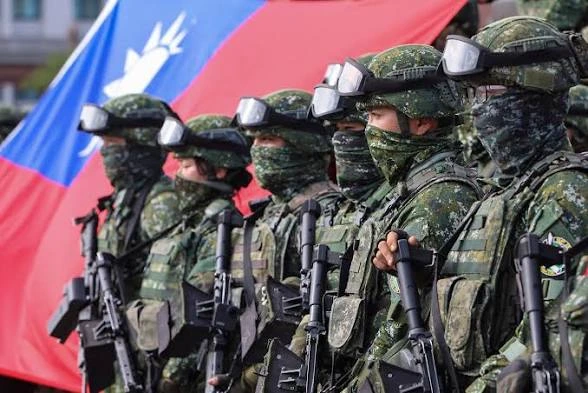
. Taiwan Army troops.
From Taiwan, authorities have warned that these types of campaigns not only seek to influence political choices or decisions, but also to weaken social cohesion and trust in democratic institutions. Even so, recent studies indicate that, so far, these operations have failed to significantly change support for independence or the island's political system
.
The case highlights an increasingly widespread phenomenon: the use of technology as a geopolitical tool. Instead of direct confrontations, major powers are turning to digital strategies to gain influence and condition their
adversaries.
In this context, Taiwan becomes a key scenario where two models face each other: one based on democracy and citizen participation, and the other on centralized control of information. China's digital offensive not only targets territory, but reflects a wider dispute over power and influence in the 21st century.