
China is raising fuel again due to the crisis in Iran and the global tension over oil

China is raising fuel again due to the crisis in Iran and the global tension over oil

The Chinese regime transferred the rise of international oil to fuels, in the midst of the global energy crisis caused by the conflict with Iran.

Share:

The Chinese regime announced a new rise in gasoline and diesel prices starting this Saturday, in direct response to the increase in international oil prices, driven by the crisis in Iran and tensions in the Strait of Hormuz.

The measure was confirmed by the National Development and Reform Commission, the body responsible for regulating energy prices in the country.

How much fuel increases

According to the official announcement:

  • Gasoline will rise 320 yuan per ton

  • Diesel will increase 310 yuan per ton

  • Filling an average tank will cost 12.5 yuan more This is a

new adjustment that reflects international market pressure on economies dependent on crude oil

.
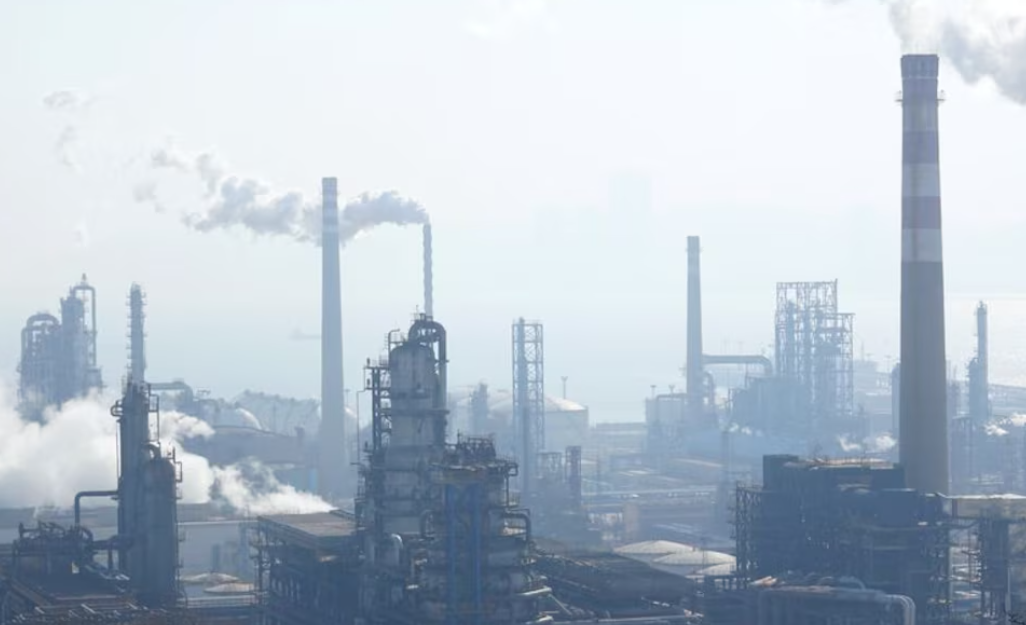
Fuel prices rise in China

The impact of the conflict in the Middle East

The increase occurs in a context marked by:

  • Interruptions in the Strait of Hormuz

  • Fall in production in Gulf countries

  • Uncertainty due to negotiations between the United States and Iran

Because of this strategic step, about 20% of the world's oil circulates, making it a critical point for global

energy stability.

Scarcity and pressure on the economy

Despite some attempts to stabilize the market — such as the increase in OPEC production — the supply of crude oil remains

limited.

Recent data indicate:

  • Gulf production at around 43% of the pre-conflict level

  • Estimated partial recovery in the coming months

  • High volatility in international prices

  • This situation is already having an impact on key sectors such as aviation, where there were massive flight cancellations

    .

    China's role in the energy crisis

    The price increase also reflects the limitations of the Chinese model:

    although it tries to control costs internally, it depends heavily on the international market.

    Every rise in oil:

    • It is transferred to consumers

    • It affects economic activity

    • Inflationary pressure increases

    An uncertain global scenario

    Analysts agree that the main factor that will define the price of oil in the short term will be the evolution of negotiations between the United States

    and Iran.

    Meanwhile:

    • Supply remains restricted

    • Global demand remains high

    • Volatility will continue

    More pressure on consumers

    The new rise in China confirms a global trend:

    the energy crisis is already having a full impact on countries' domestic prices

    .

    In this context, the conflict in the Middle East not only affects the region, but also has a direct impact on the pockets of millions of people around the world.