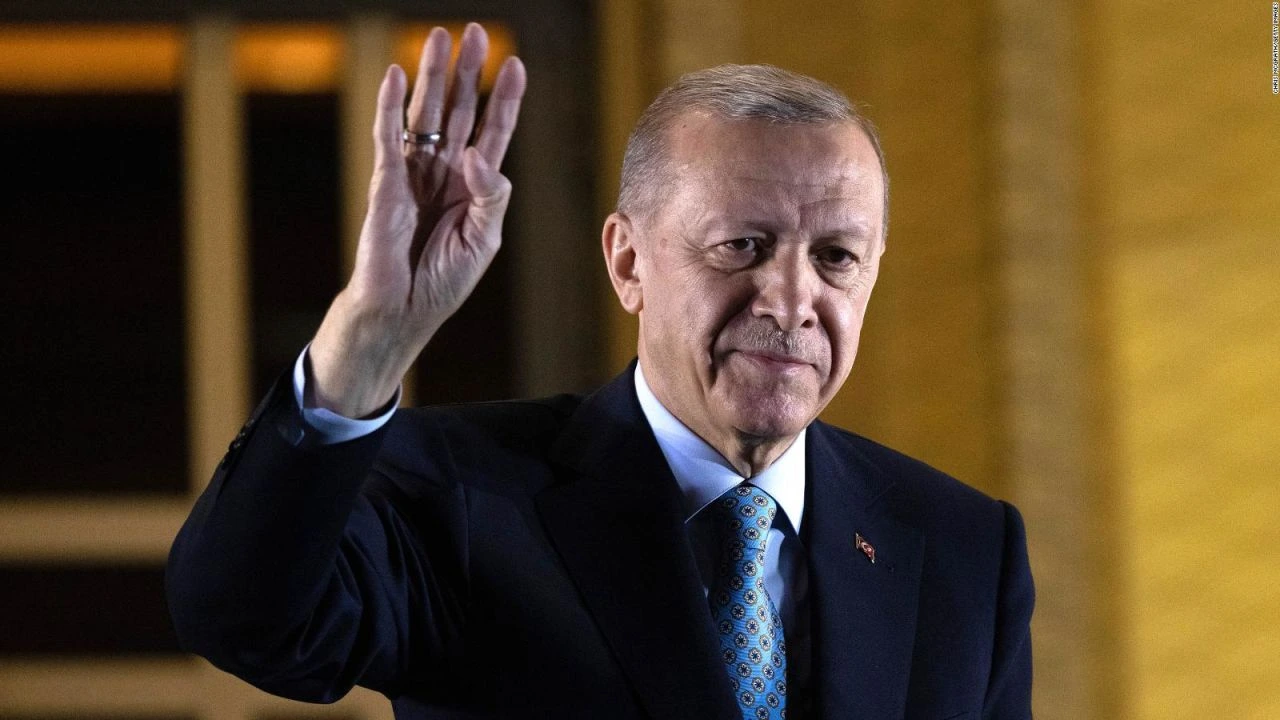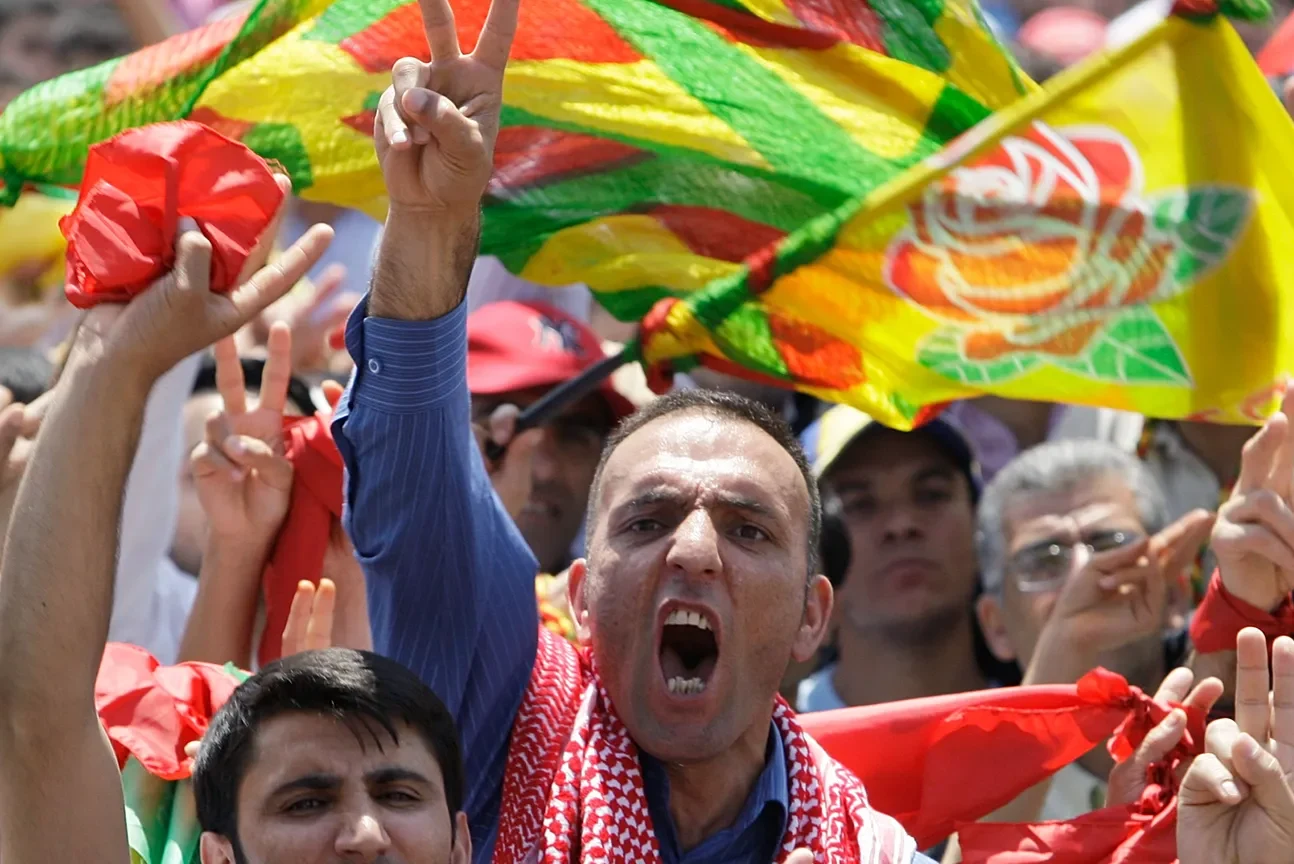

The Parliament of Turkey approved a law on Monday that establishes a legal framework to facilitate the dissolution of the Kurdistan Workers' Party (PKK), taking a decisive step towards the possible end of an armed conflict that has lasted for more than four decades and resulted in over 40,000 deaths.
The legislation includes legal protections for former PKK members who have not committed specific crimes and allows for the suspension of prison sentences for some individuals convicted of belonging to the organization. The aim is to facilitate their disarmament, reintegration into society, and transition to a life outside the armed group's structures.
The initiative was approved by 468 votes out of 600 seats in Parliament and received support from the ruling Justice and Development Party (AK Party), its nationalist allies from the MHP, and the pro-Kurdish DEM party. The broad parliamentary majority reflects the political backing that the PKK dismantling process has garnered, although significant outstanding issues remain.
The Turkish parliament approved a law that allows the reintegration of former guerrillas from the Kurdistan Workers' Party and facilitates the dissolution of the PKK
The PKK is considered a terrorist organization by Turkey, the United States, and the European Union. The group began its armed insurgency against the Turkish state in 1984, in a conflict that caused tens of thousands of deaths and had a significant economic and social impact, especially in the southeastern part of the country, which has a Kurdish majority.
The new law represents the most concrete step taken by Ankara since Abdullah Öcalan, the historical leader of the PKK who is imprisoned, called on the group in February 2025 to lay down their arms and dissolve. Months later, in May of that year, the PKK announced the end of its armed struggle and its dissolution as an organization.
Two months later, a group of militants held a symbolic ceremony in northern Iraq where they burned their weapons, a sign intended to demonstrate their commitment to the disarmament process.
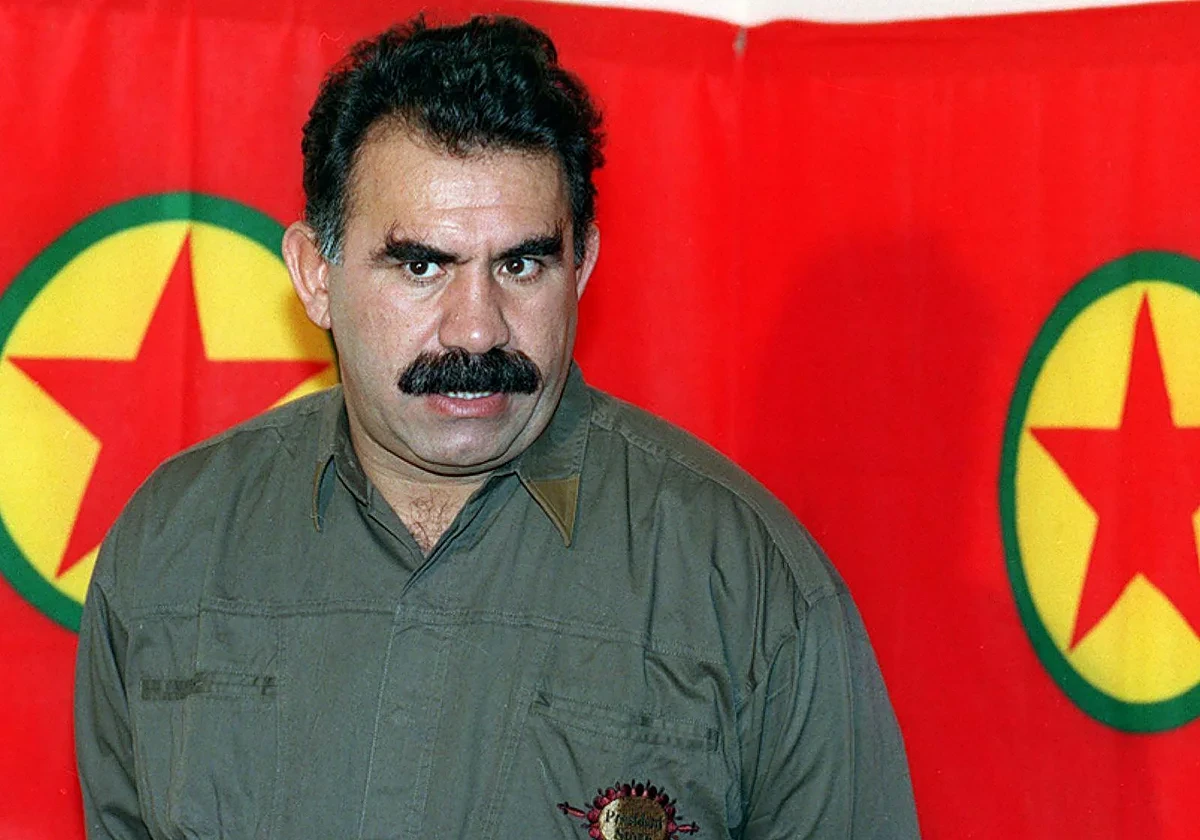
The legislation now approved seeks to address one of the main uncertainties of the process: what will happen to the thousands of PKK members as the organization abandons its military and political structures.
In 2025, the historic leader of the terrorist group, Abdullah Öcalan, requested the party to lay down its arms and dissolve
The path to the agreement began publicly in October 2024, when Devlet Bahçeli, leader of the nationalist MHP and for years one of the main advocates of a hardline stance against Kurdish militancy, surprised many by suggesting that Öcalan could appear before Parliament to announce the group's dissolution.
Subsequently, in August 2025, a parliamentary commission was created that heard from politicians, officials, civil society organizations, and other sectors before recommending legislation aimed at managing the disarmament and reintegration of former combatants.
However, the new law does not resolve all the issues related to the Kurdish question. Among the outstanding matters are demands for greater political and cultural rights for the Kurdish population, possible amendments to anti-terrorism laws, and the future of Öcalan, who has been imprisoned on İmralı Island since 1999.
The Turkish government stands with a victory that brings some peace after decades of violent clashes
The Turkish government presents the process as part of its goal to build a "terrorism-free Turkey", while Kurdish politicians argue that peace can only be consolidated through broader democratic and legal reforms.
The approval of the law represents a significant change after decades of confrontation between the Turkish state and the PKK. Now, the challenge will be to ensure that disarmament and reintegration proceed effectively and that the process leads to a lasting political solution for one of the most prolonged disputes in recent Turkish history.