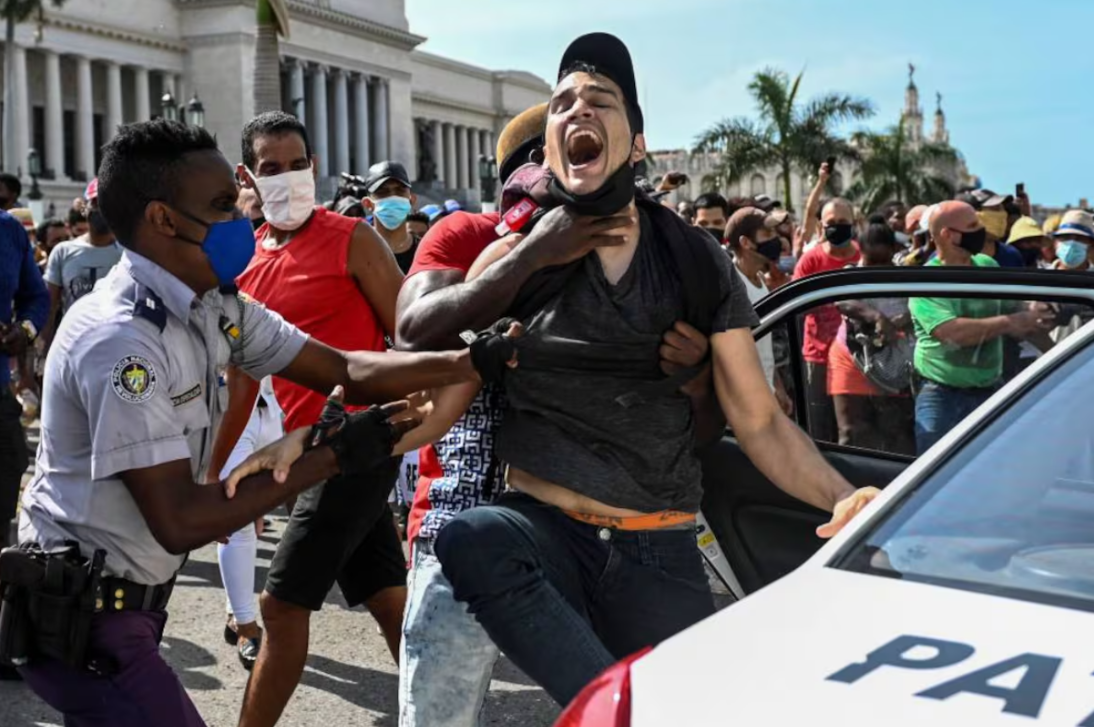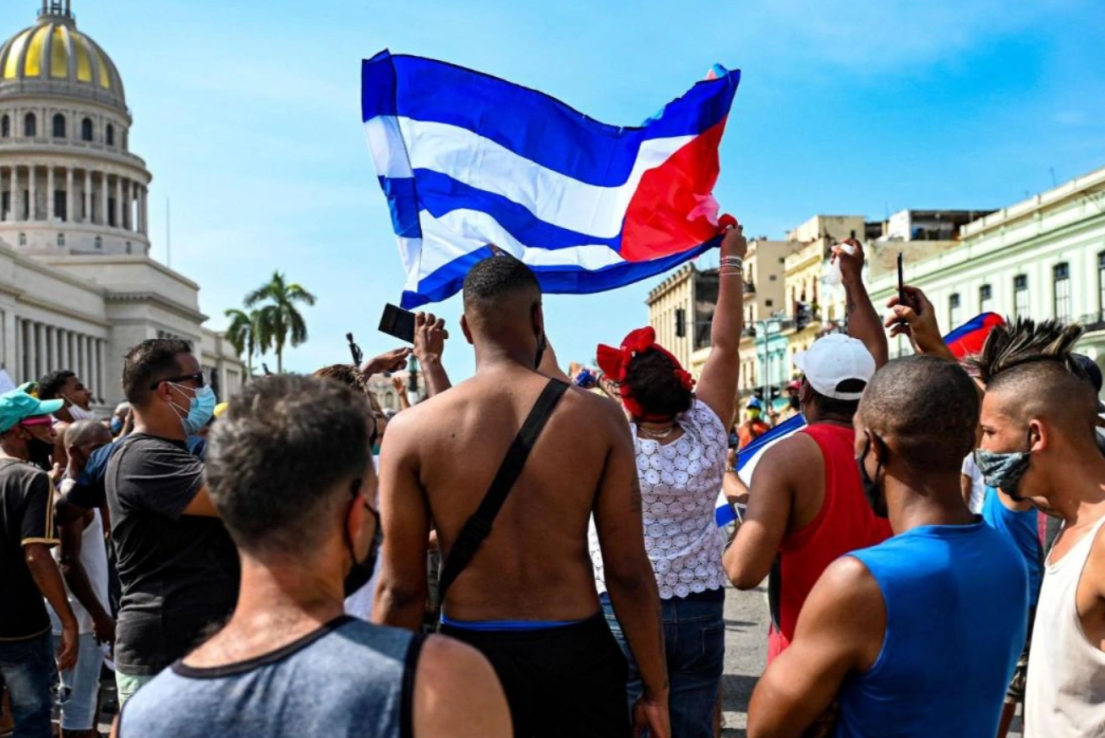

The Cuban dictatorship was once again exposed in April with a convincing fact: 1,133 protests, complaints and expressions of rejection were registered throughout the country, according to the report of the Cuban Conflicts Observatory (OCC).
The figure confirms that social unrest not only persists, but is growing in parallel with the tightening of the repressive apparatus and the deterioration of living conditions on the island.
Far from offering solutions, the dictatorship responded with more control and launched a mandatory loyalty campaign under the slogan #MiFirmaPorLaPatria, which generated strong rejection among the population.
More control, more rejection
The report describes a country under constant surveillance, with a reinforced police and military presence in streets and public spaces
.Even so, the protests continued, many of them directed directly against the dictatorship.
A case that went viral reflects the social climate: “I'm not going to sign... because the Cuban government doesn't care about these people,” said one citizen, refusing to adhere to the official document.
There were also arrests of demonstrators, such as that of Javier Ernesto Martín Gutiérrez, known as “Spiderman”, who reported abuses by the regime before being arrested.
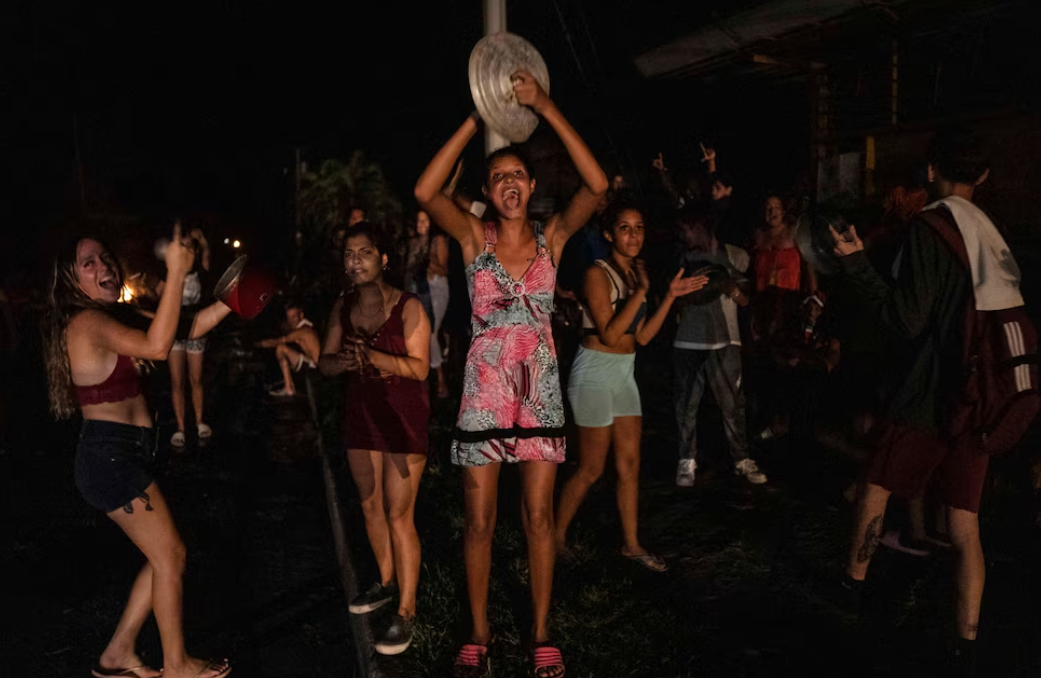
Systematic repression
During April, the dictatorship carried out at least 176 repressive actions, including:
Arbitrary arrests Interrogations and threats Restrictions
on communication
Pressure in work and education.
White people include opponents, activists, former political prisoners of
11J and
Unrestrained economic and social crisis
The background of the conflict is an ever deeper structural crisis