The United States reinforced its control in the Strait of Hormuz by intercepting six vessels that were trying to evade the naval blockade imposed on Iranian ports, as part of the international operation to reactivate global trade.
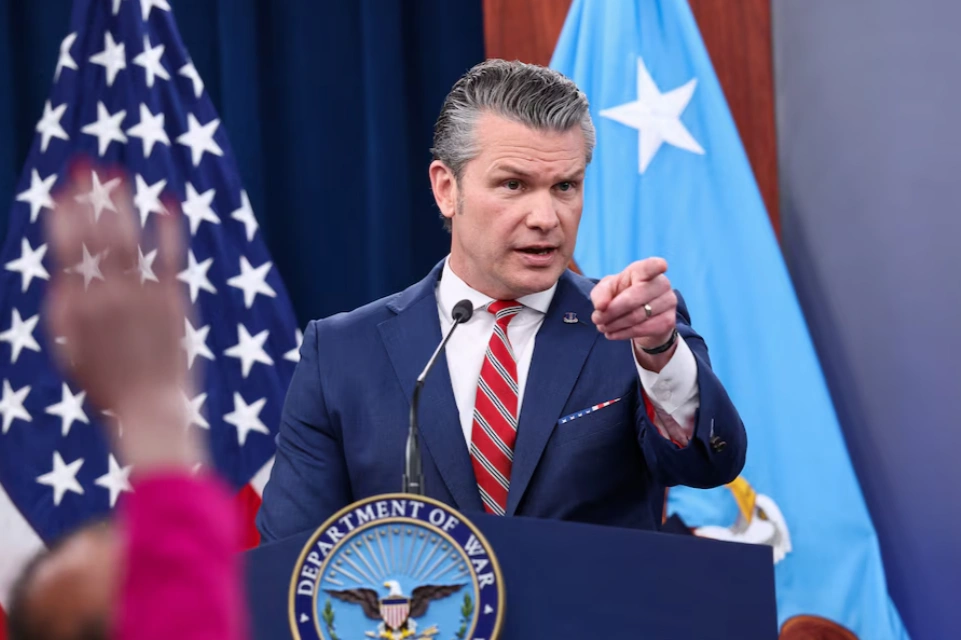
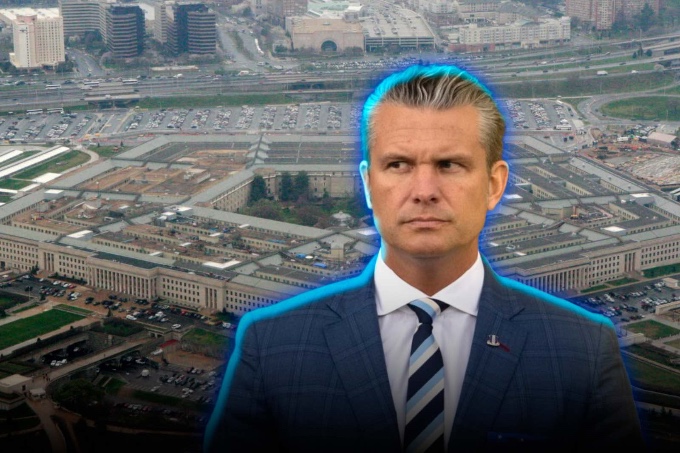
The Secretary of Defense, Pete Hegseth, confirmed that the ships were forced to retreat during the first day of the so-called “Freedom Project”, the initiative promoted by President Donald Trump.
“Six ships tried to break the blockade from Iranian ports and all were intercepted,” said the Pentagon official.
A large scale military operation
The US deployment in the area is one of the most important in recent years and seeks to ensure the reopening of one of the most critical energy routes in the
world.
According to the head of the Joint Chiefs of Staff, Dan Caine, the operation includes:
Guided missile destroyers
More than 100 aircraft on permanent patrol
15,000 personnel deployed
.
In addition, there are more than 1,500 vessels affected by the blockade, with thousands of sailors stranded in the
region. Iran does not respect the blockade on its ports
A ceasefire under pressure Despite the
tension, Washington maintains that the ceasefire
is still in effect.
However, the incidents continue: since its implementation, Iran has attacked commercial vessels several times, captured vessels and harassed U.S. forces.
For the Pentagon, these actions remain “below the threshold” that would entail a total escalation of the conflict.
Iran challenges the operation
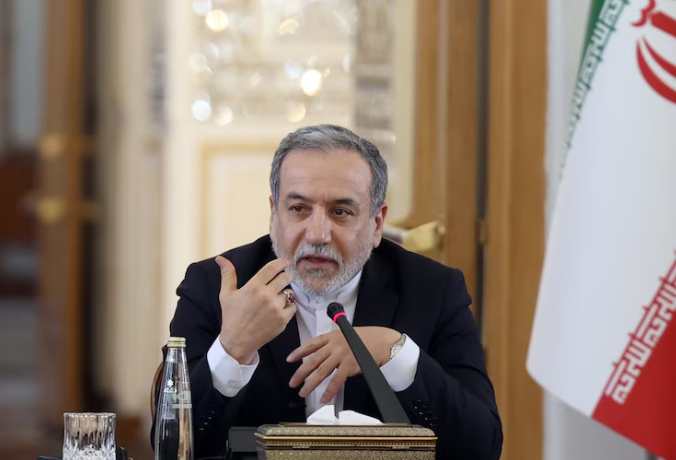
From Tehran, the operation was described as a violation of the ceasefire and a
direct provocation.
Iranian officials warned that the country has not yet deployed its full response capacity and that it could intensify its actions if military pressure continues.
Hormuz, the axis of the global economy
The Strait of Hormuz accounts for about a fifth of world oil and gas trade, making it a key strategic point
.
Its blockade by Iran since the beginning of the conflict had a strong impact on international prices and global economic stability.
Pressure to force negotiations
The U.S. strategy combines military power and economic pressure to bring Iran to the negotiating table, especially with regard to its nuclear program
.
Hegseth defended previous attacks on Iranian facilities and assured that they managed to delay their nuclear development, although he acknowledged that the stage is still open.
A conflict far from being resolved
With the “Freedom Project” under way and tensions rising, control of the Strait of Hormuz remains one of the main focuses of
global geopolitics.
While the United States seeks to guarantee global trade, Iran continues to use its strategic position as a pressure tool in a conflict that still shows no clear signs of resolution.