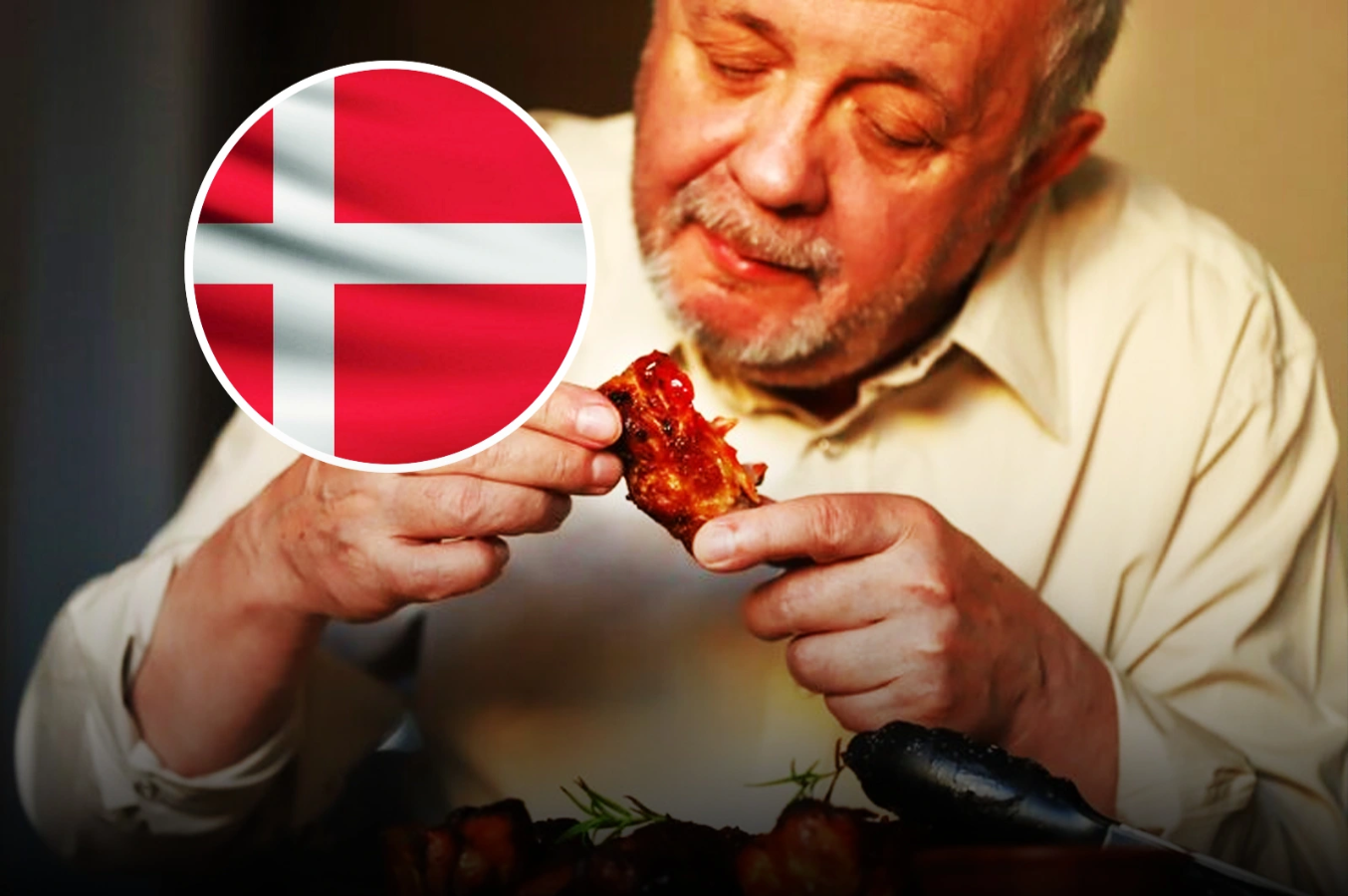
Strong political and social controversy broke out in Denmark after an environmental councilwoman defended restrictions on the consumption of meat in nursing homes managed by the Copenhagen government. The measures limit the
consumption of beef, lamb or veal per week for residents to just 80 grams per week, a quantity lower than that contained in a McDonald's Big Mac hamburger.
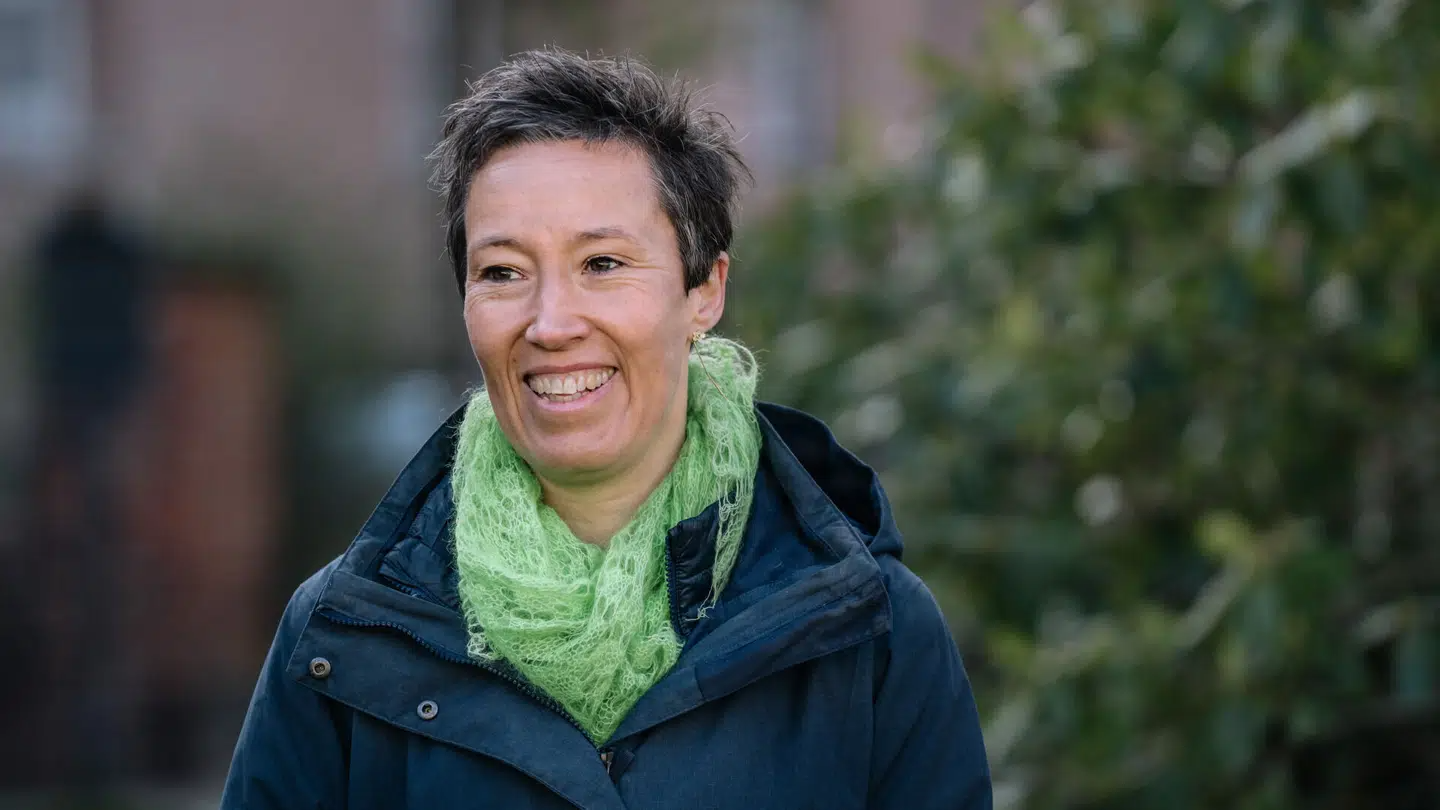
The controversy began during a meeting of the Copenhagen City Council held last April 30, when Birgitte Kehler Holst, a member of the left-wing green party The Alternative, rejected proposals to exclude nursing homes from the new dietary guidelines promoted by the Danish capital
.
During the debate, Holst defended the need for all sectors of society to participate in climate efforts, including older adults. “Everyone, including the elderly, must contribute to achieving our climate goals,” said the political lunatic. He then added a phrase that caused an immediate wave of criticism: “It is precisely the generation that has ruined things the most
.” A Danish communist councilwoman said that older adults should limit their meat intake to help curb climate change
His statements were interpreted by opposition leaders and commentators as an attempt to hold older people responsible for current environmental problems and to justify dietary restrictions considered excessive for
a vulnerable population.
The new guidelines establish a maximum of 80 grams per week of beef, lamb or veal in public institutions in the city. The figure is equivalent to about 11.4 grams a day, a portion that critics described as “ridiculous” and insufficient to cover the basic nutritional needs
of older adults.
The leader of the Danish People's Party Malte Larsen posted a photograph on social media showing the small daily allowable amount of meat to illustrate the scope of the measure. “11.4 grams of beef. That's what nursing home residents in Copenhagen can eat per day,” he wrote
.
Larsen accused environmental sectors of acting with ideological fanaticism and argued that the restrictions will have no real impact on climate change. “We are not going to save the world by having our elderly eat only 11.4 grams of meat a day,” he said, recalling that Denmark represents a very small portion of global carbon dioxide emissions
. Danish environmentalists imposed a maximum meat consumption of 80 grams per week on older adults
The politician also questioned what he described as the hypocrisy of certain climate activists who promote severe measures while maintaining lifestyles with a high carbon footprint, including frequent
international travel.
Strong questions also emerged from other political sectors. Mona Juul, a representative of the Danish Conservative Party, criticized the idea of drastically reducing meat consumption in nursing homes and accused Holst of treating older adults as “climate culprits
”.
Criticism focused especially on the potential nutritional impact of restrictions. Experts and opponents pointed out that older people need enough protein to maintain muscle mass, mobility and quality of life, so they consider it inappropriate to impose such strict limits for
environmental reasons.
In the face of growing controversy, Holst ended up offering partial apologies for his comments. The leader acknowledged having made a statement “too hasty”, although she maintained her position in favor of reducing meat consumption
.
“I consider it completely reasonable that our elderly citizens, like the rest of the inhabitants of Copenhagen, receive healthy, tasty and organic food that follows Danish dietary recommendations,” he later told the Danish daily BT.
The entire Danish political arc repudiates the sayings and actions of environmentalists