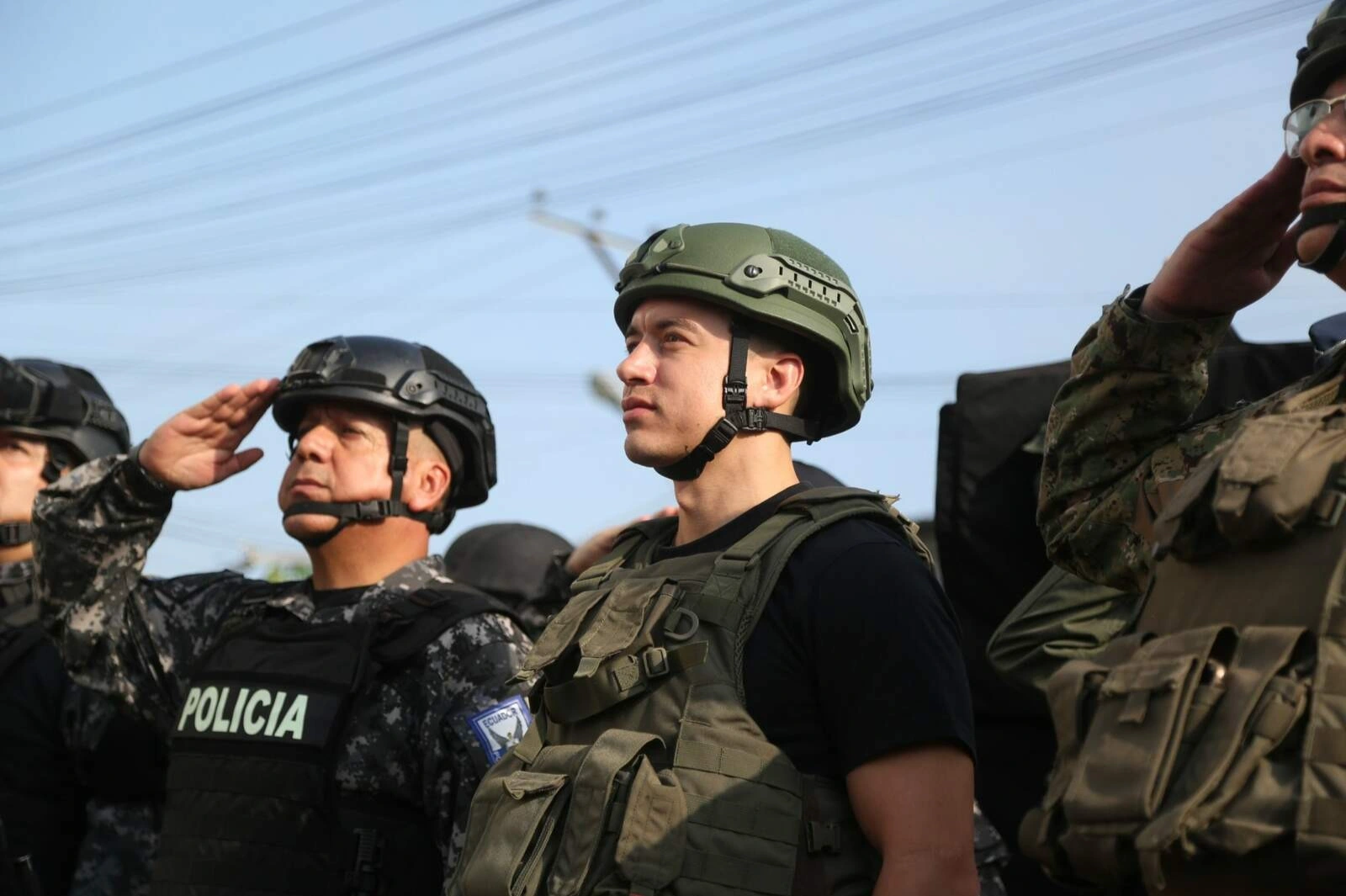
The Ecuadorian government announced the deployment of military and police forces in four provinces with the objective of strengthening public order and combating organizations linked to drug trafficking and organized violence. The operation includes vehicle controls, intensive patrols and the capture of leaders of criminal groups operating in the
area.
The measure includes a curfew that applies between 23:00 and 5:00 in the provinces of El Oro, Guayas, Santo Domingo de los Tsáchilas and Los Ríos. This provision is part of a series of actions promoted by the Executive to combat the advance of organized crime. The curfew will be in effect until March 31, and only essential workers, such as security, health and military personnel, will be able to circulate. Authorities warned that any civilian who violates the restriction could be arrested
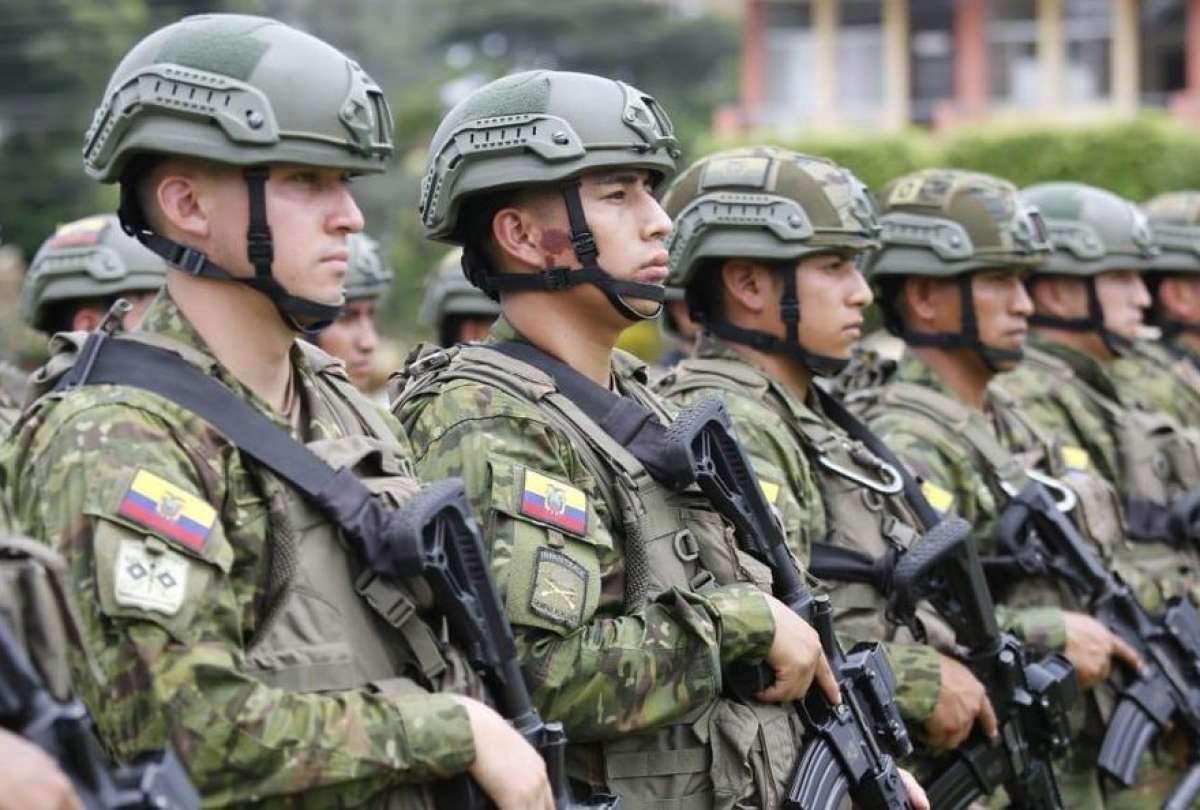
. Members of the Ecuadorian Army
The deployment involves the participation of about 75,000 members of the Police and Armed Forces. According to official data, at least 72 suspected members of criminal organizations have already been arrested.
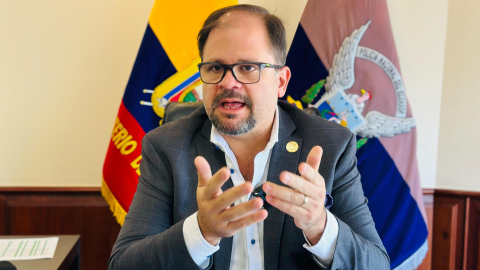
One of the most notable results, according to Interior Minister John Reimberg, was the dismantling of an arms collection and logistics center belonging to the group known as “Los Choneros”.
The official also noted that, after the first results, the government is considering extending this type of operation to other provinces, given the possibility that some criminal leaders have tried to evade controls by moving to new areas. Reimberg also stressed that these actions have international support in terms of cooperation and technical assistance
. Ecuadorian Interior Minister John Reimberg
On the other hand, the government carried out interventions against illegal mining in different regions, an activity that also fuels criminal networks. These operations generated tensions with Colombia, whose president, Gustavo Petro, expressed questions about alleged bombings in border areas. As a result, both countries agreed to create a joint investigative commission
.
President Daniel Noboa described the deployment as “a firm step” in the fight against drug trafficking and highlighted the decision to move forward with stricter measures to restore security in the country.