The announcement of the imposition of this tariff is also based on statistics that show a deficit trade balance between Ecuador and Mexico in recent years.
Noboa correctly explained that until the FTA is signed, the tariffs will persist to give Ecuadorian production a break.
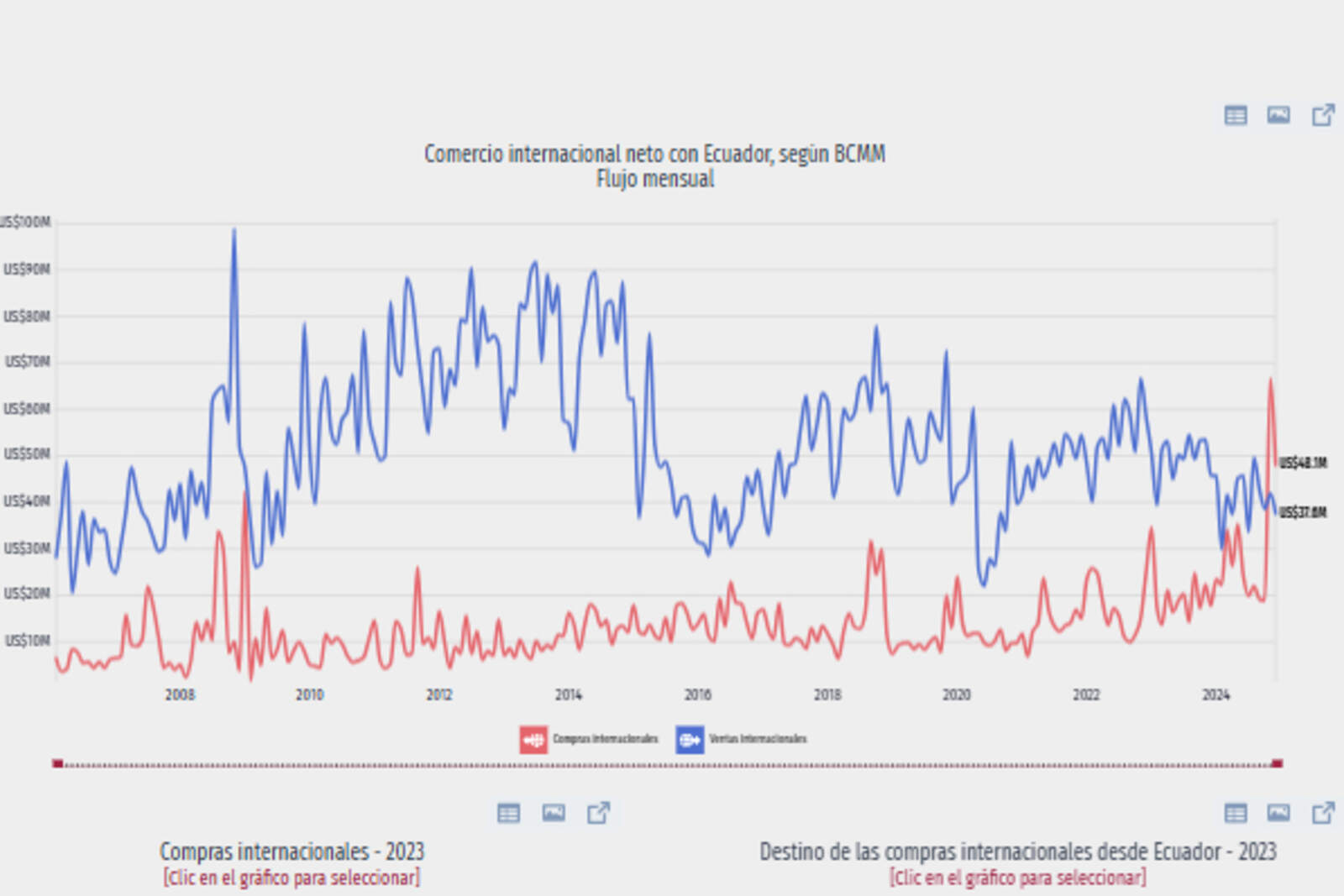
According to figures from the Central Bank of Ecuador, between January and November of last year, Ecuador imported Mexican products worth 573 million dollars, while Ecuadorian exports to Mexico were only 337 million dollars, resulting in a negative balance of
26 million dollars.
This highlights the trade inequality between the two countries, which, according to Noboa, justifies the need to promote local industry and protect Ecuadorian producers.
Ecuador exports around 320 products to Mexico, including cocoa, palm oil, processed fish, non-electrical machinery, candies and chocolate, and iron and steel tubes and profiles.
For its part, Ecuador mainly imports mechanical devices, pharmaceutical products, machines, vehicles, electrical appliances and cosmetics from Mexico.
Net international purchases and sales between Mexico and Ecuador according to data from the Mexican government
This trade structure has left Ecuador with a persistent deficit in its trade balance with Mexico, reinforcing Noboa's position on the need for fairer treatment
for Ecuadorian producers.
The decision to impose a 27% tariff also seeks to promote Ecuador's domestic production and reduce dependence on imports. In this regard, the Ecuadorian government hopes that the measure will boost the growth of local industries and promote employment in key sectors of the
economy.
Although the Ecuadorian government is willing to sign a Free Trade Agreement with Mexico in the future, the measure seeks to balance the trade balance and protect local industry.
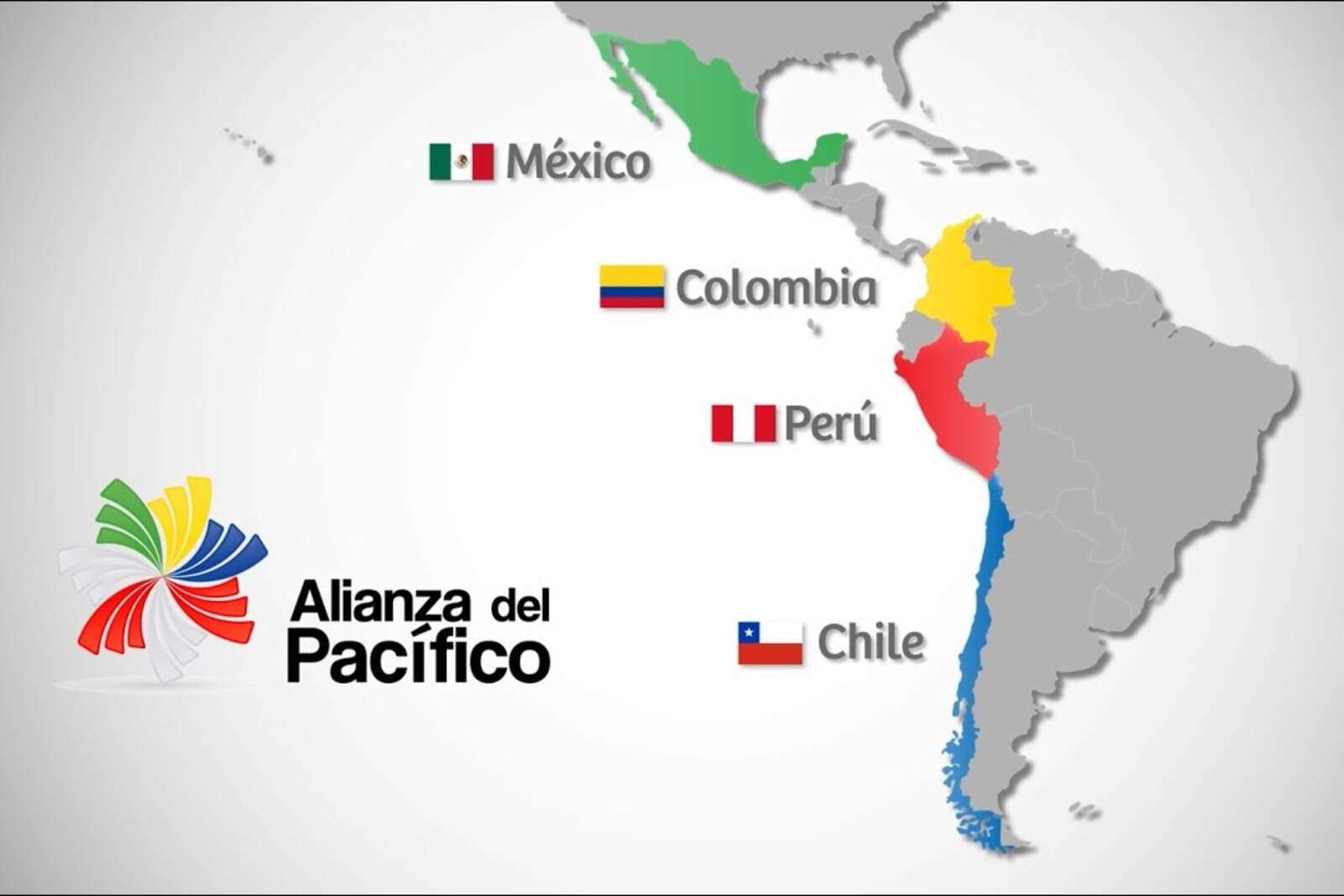
The Pacific Alliance is made up of countries such as Chile and Mexico that maintain great power in their region with respect to the Pacific
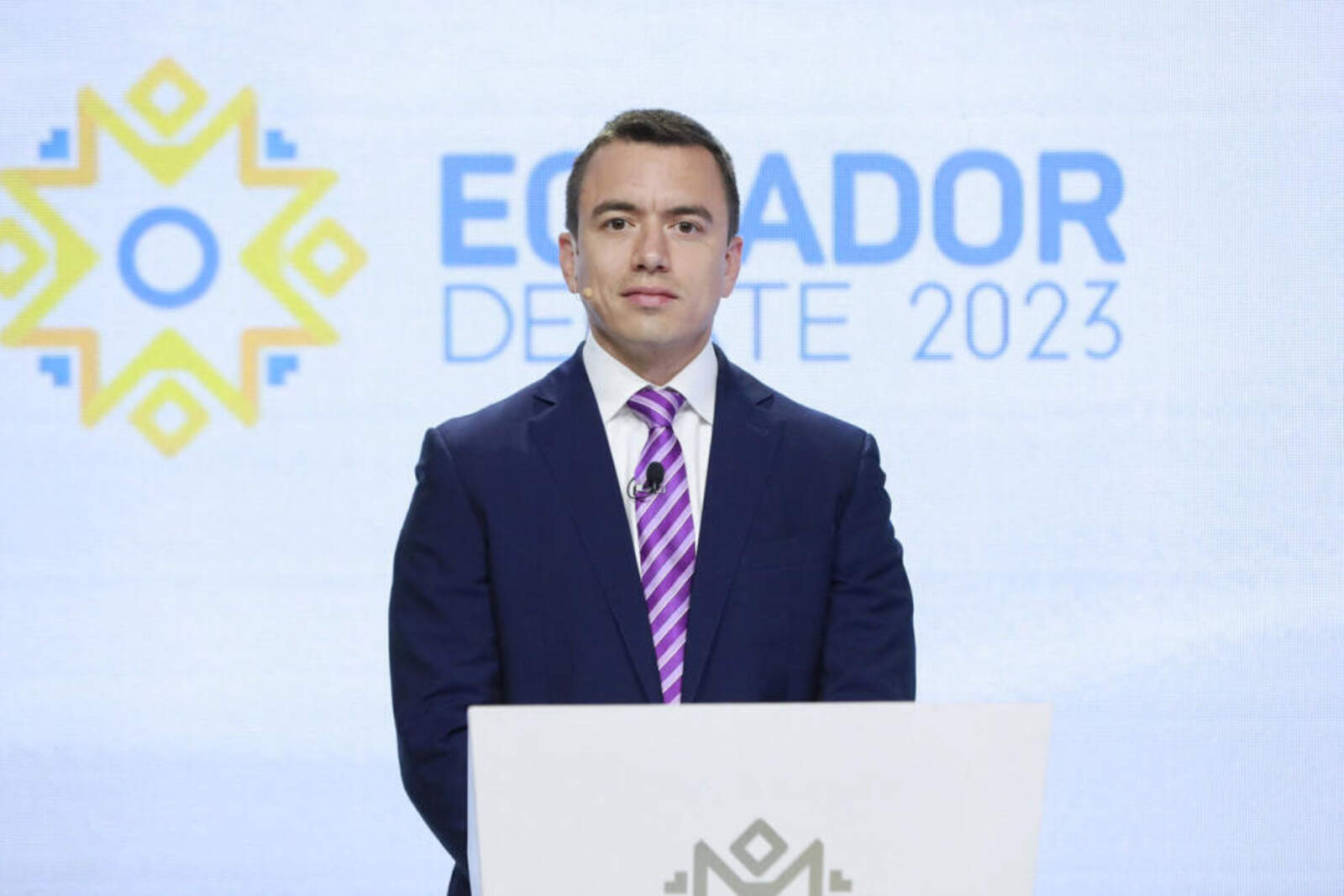
The president of Ecuador, Daniel Noboa, announced on Monday the imposition of a 27% tariff on products imported from Mexico, in a context of growing trade tensions with the United States by the Aztec nation.
This measure responds to the lack of a trade agreement with Mexico, which had been promoted by the previous government in Ecuador, and adds to the complications of the bilateral relationship between the two countries.
Ecuador had been negotiating a treaty with Mexico to join the Pacific Alliance, but the talks, which had advanced to 99%, were suspended by a decision of the government of former Mexican President Andrés Manuel López Obrador.
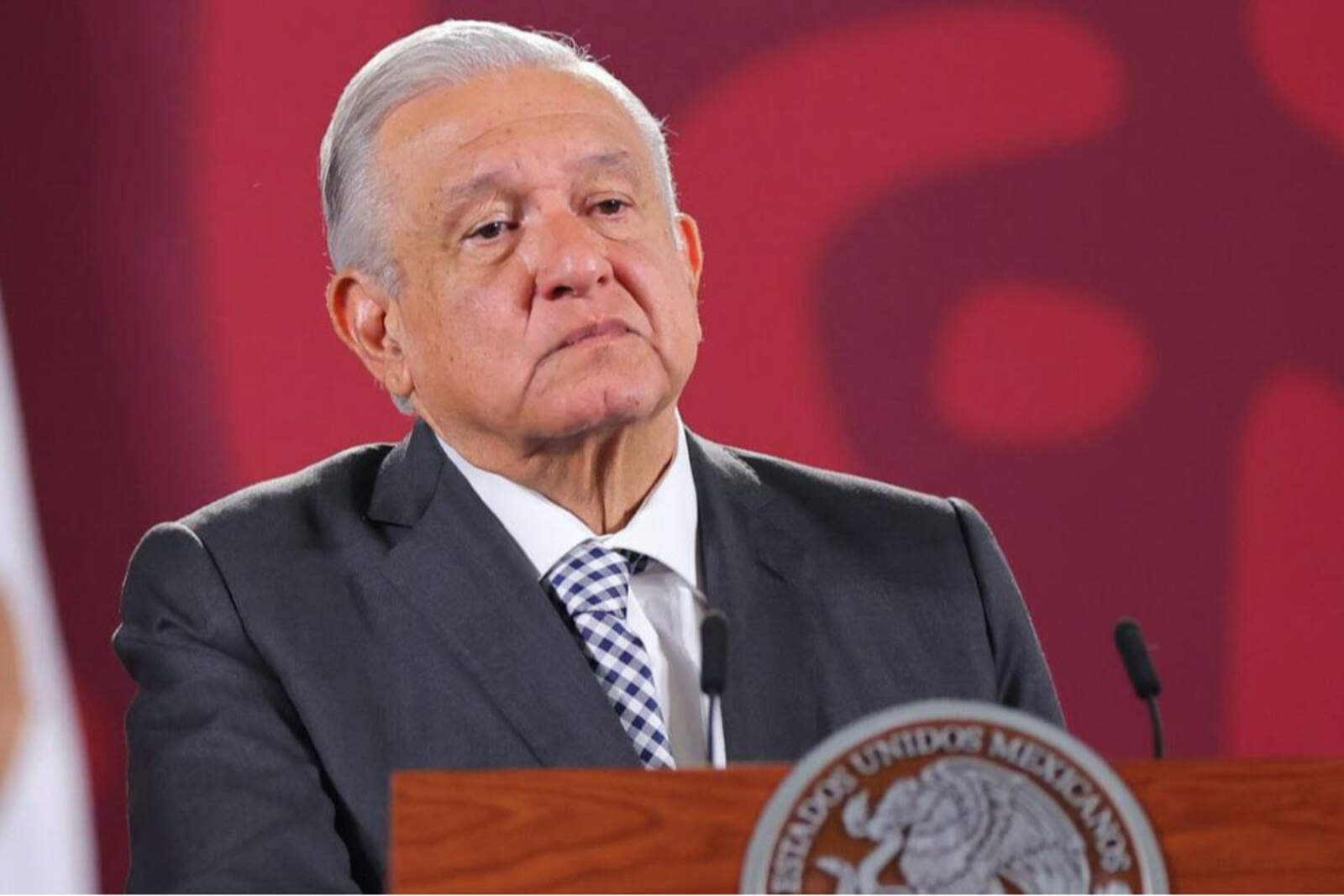
Ecuador and Mexico were on their way to signing an FTA, but former leftist president López Obrador stopped it
Noboa's announcement comes at a critical moment, as this same day Mexico managed to delay the application of 25% tariffs by the United States for a month, after the president of Mexico, Claudia Sheinbaum, reached an agreement with Trump to temporarily stop the measure.
This shift in Mexico's trade policy, together with the tensions that persist between Ecuador and Mexico, reflects the delicate balance of trade relations that Latin American countries must manage.
Relations between Ecuador and Mexico deteriorated last year, when Ecuadorian police broke into the Mexican embassy in Quito to arrest former Vice President Jorge Glas, who was a refugee there to avoid being tried for a corruption case.
This incident exacerbated diplomatic tensions between the two countries, which were already marked by the failed negotiations of a trade agreement.
Relations between Mexico and Ecuador continued to deteriorate when Ecuadorian police extracted former Vice President Glas from the Mexican embassy in Quito.
In his X account, Noboa justified the imposition of the tariff by pointing out that Ecuador has always been open to commercial integration, but only under conditions of “fair treatment” and contrary to what he considered to be “abuse” of Mexico's demands during previous negotiations
.
In addition, the Ecuadorian president reiterated his willingness to sign a Free Trade Agreement (FTA) with Mexico, but noted that, until such an agreement is finalized, the 27% tariff would apply to products imported from that country.