
Very serious: the Pichetto project that seeks to decriminalize euthanasia and assisted suicide

Very serious: the Pichetto project that seeks to decriminalize euthanasia and assisted suicide
Very serious: the Pichetto project seeks to decriminalize euthanasia and assisted suicide
porEditorial Team
Argentina

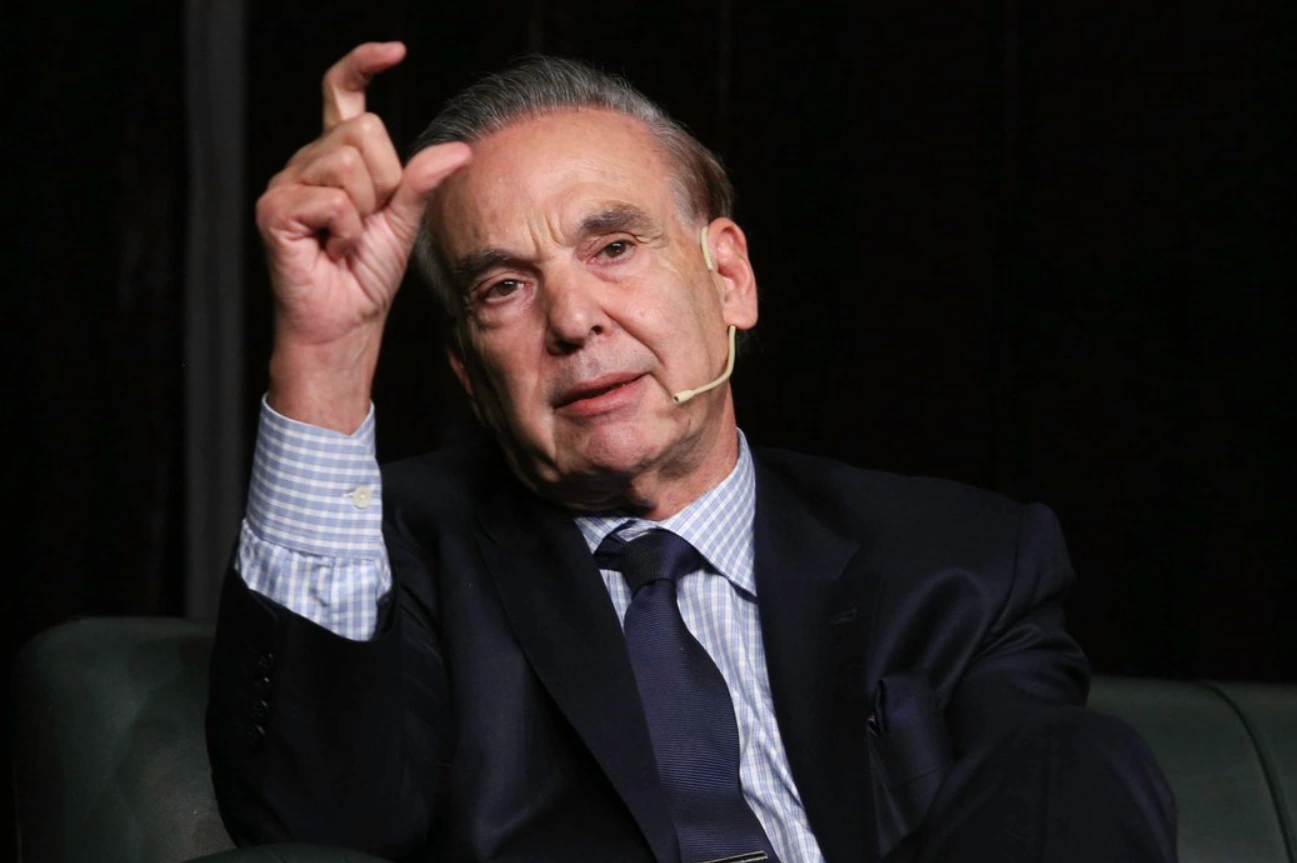
The national deputy Miguel Ángel Pichetto is among the signatories of a project that seeks to regulate euthanasia and assisted death in Argentina.

Compartir:

Miguel Ángel Pichetto, national deputy for Federal Encuentro, appears as a signatory of file 6512-D-2025, submitted on November 12, 2025, whose summary is explicit: “Euthanasia and assisted death. Regulation. Amendments to the National Criminal Code”. The project is also signed by Oscar Agost Carreño and was referred to the commissions on Human Rights and Guarantees, Social Action and Public Health, and Criminal Legislation

.

According to different press reports on the texts submitted to the Congress, the proposal associated with Pichetto aims to decriminalize active euthanasia and assisted suicide, in addition to introducing changes in current legislation to enable medical assistance to die under certain conditions. It also provides exemptions from criminal, civil and administrative liability for those who act in accordance with

that future law.

An advance that goes far beyond “dignified death” In

Argentina, Law 26,742 on dignified death has existed since 2012, which recognizes the patient's right to refuse treatments or procedures that artificially prolong life in cases of irreversible or terminal illness. But that rule does not enable active euthanasia, that is, it does not authorize the direct cause of the death of

a person.

In addition, since 2022, Law 27,678 on Palliative Care has been in force, whose objective is to ensure patients' access to comprehensive palliative care benefits in the public, private and social security spheres, together with the support of their families.

For this reason, the project supported by Pichetto does not appear as a mere extension of existing rights, but rather as a much deeper paradigm shift: moving from guaranteeing pain relief and patient support, to opening the door for the State to regulate intervention to end life.
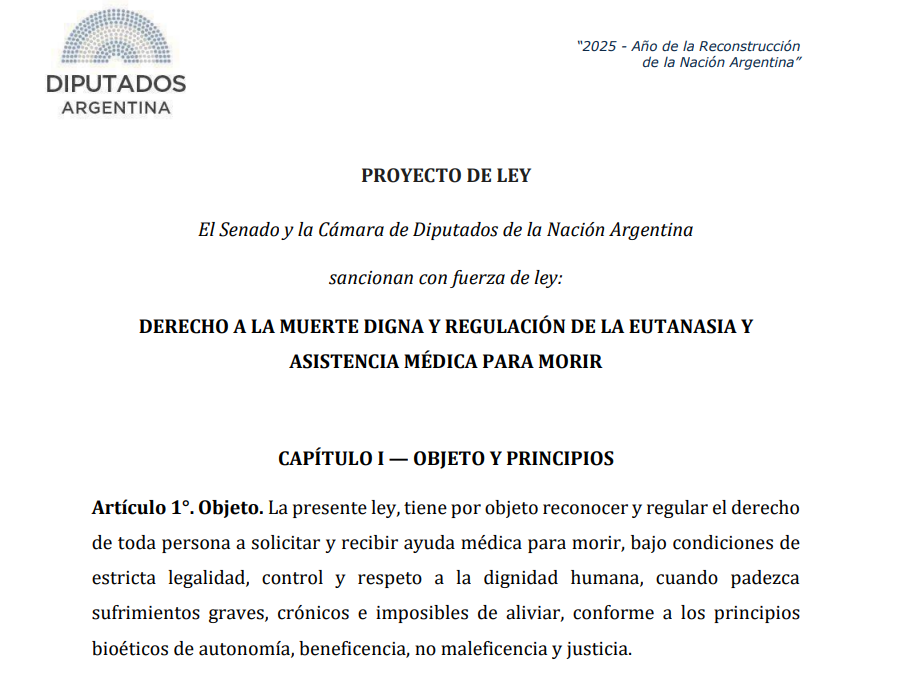
Imagen 1388637

The Noelia Castillo case: euthanasia in Spain under international suspicion

The case of 25-year-old Spanish woman Noelia Castillo became one of the most controversial in Europe and once again called into question the limits of these laws. The young woman, who was suffering from paraplegia after a suicide attempt stemming from a history marked by abuse and trauma, agreed to euthanasia in March 2026 after a court battle of almost two years against her own father, who tried to stop her on the grounds that he was not

in a position to decide.
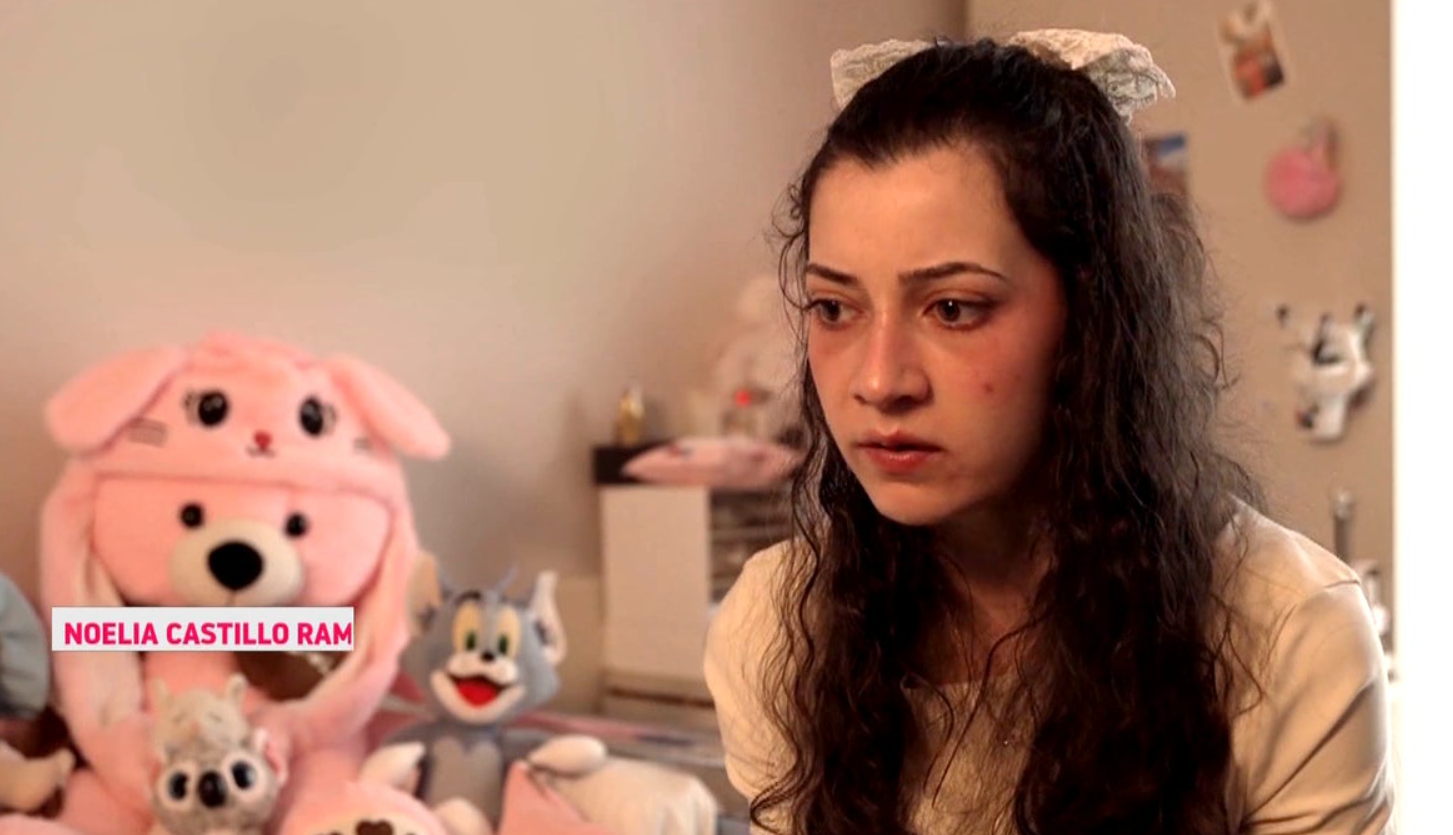
Imagen 1388635

The case escalated to such a level that even international organizations and the United States government asked to investigate possible failures in the protection of vulnerable people, especially since she was a non-terminal patient with a psychiatric history

.

Noelia's story exposed one of the main critiques of euthanasia: when applied in contexts of psychological suffering, social vulnerability or previous trauma, the line between a free and a conditioned decision becomes extremely blurred. Despite the fact that multiple judicial instances validated their will, the case generated a global debate about whether the system truly protects patients or if, on the contrary, it may end up enabling irreversible decisions
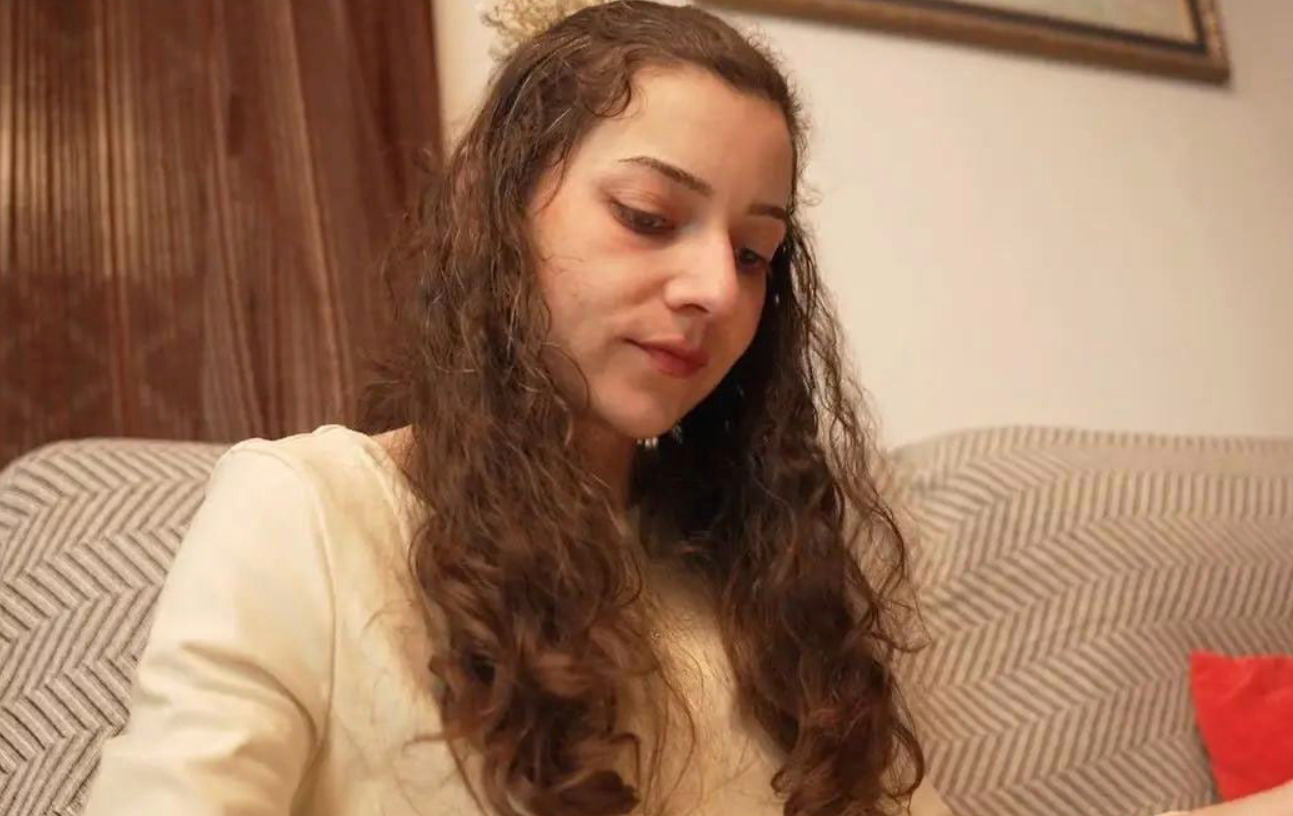

in extreme situations.

Canada: from “assisted death” to cases that set off international alarms

Canada's experience with euthanasia—through the system known as MAID—became one of the main sources of criticism globally for a series of controversial cases that exposed flaws in controls and risks against vulnerable people. One of the most striking examples was that of a 26-year-old with diabetes and mental health problems who agreed to assisted death despite not being terminally ill, leading his family to report that the system “chose death over treatment

.”

There were also situations where people requested euthanasia in contexts of social isolation, poverty or fear of being left homeless, which generated a strong ethical debate even within the Canadian health system itself.

Added to this is the widespread case of a woman known as “Sophia”, who agreed to euthanasia in the midst of economic difficulties and lack of adequate assistance, which triggered accusations that the State ends up replacing social policies with the option of dying.

The risk of running the moral and legal limit

The discussion is no less. According to the analysis published by La Nación, the euthanasia projects that today have parliamentary status even show significant differences on sensitive points, such as access requirements, the terminology used and the scope of advance directives. Specialists in bioethics warned there about the “terminological imprecision” of some texts, an especially serious problem when it comes to legislation related to life and death.

In parallel, Infobae reported that today there are five projects aimed at enabling euthanasia in Congress and that, although they cross different political spaces, they have not yet reached a consensus to move forward. In that batch, Pichetto's text appears, which shares several principles with other initiatives that also promote the decriminalization of active euthanasia and assisted

suicide.

A debate that exposes a dangerous drift

Imagen 1388636

That Pichetto decided to push this agenda is no small fact. Instead of focusing on strengthening real access to treatment, containment and palliative care, the deputy chose to support an initiative that touches one of the most delicate limits of any civilized society: that of the unrestricted defense of

human life.

Argentina already has legal tools to avoid therapeutic bitterness and to respect the patient's will in the face of invasive treatments. What this project proposes is something else: to normalize, regulate and decriminalize intervention aimed at causing death. And that, inevitably, opens up extremely serious ethical, medical and legal questions

.

In a country beset by structural crises in the health system, deficiencies in comprehensive care and enormous inequalities in access to treatment, moving forward with a euthanasia law does not seem like a sign of progress, but rather an alarming sign of moral and political confusion.


Noticias relacionadas

The National Securities Commission will enable local ETFs through the CEVA and FCIA

The National Securities Commission will enable local ETFs through the CEVA and FCIA

Artemis II: what time does the NASA mission take off and how to see it live from Argentina

Artemis II: what time does the NASA mission take off and how to see it live from Argentina

San Lorenzo presented a new shield for its 118th anniversary

San Lorenzo presented a new shield for its 118th anniversary

Historic milestone: the Argentine Army achieved certification to crew the Stryker 8X8

Historic milestone: the Argentine Army achieved certification to crew the Stryker 8X8

A fan asked Lionel Scaloni what Tapia's media friends don't like: 'I want you to be prepared'

A fan asked Lionel Scaloni what Tapia's media friends don't like: 'I want you to be prepared'

After the role against Bosnia, the Italian Sports Minister asks for a refoundation of his football

After the role against Bosnia, the Italian Sports Minister asks for a refoundation of his football

La Derecha Diario logo
ESX logoInstagram logoYouTube logoTikTok logo
ARGENTINABOLIVIAECUADORISRAELMEXICOURUGUAYDERECHA DIARIO TV
  • ESXInstagramYouTubeTikTok
  • DERECHA DIARIO TV
  • Secciones
  • ARGENTINA
  • BOLIVIA
  • ECUADOR
  • ISRAEL
  • MEXICO
  • URUGUAY
  • Países
  • La Derecha Diario logoLA DERECHA DIARIO
  • La Derecha Diario México logoLA DERECHA DIARIO MÉXICO
  • La Derecha Diario Uruguay logoLA DERECHA DIARIO URUGUAY
  • La Derecha Diario Ecuador logoLA DERECHA DIARIO ECUADOR
  • La Derecha Diario Bolívia logoLA DERECHA DIARIO BOLÍVIA
  • La Derechadiario República Dominicana logoLA DERECHADIARIO REPÚBLICA DOMINICANA
  • La Derecha Diario Israel logoLA DERECHA DIARIO ISRAEL
  • La Derecha Diario Estados Unidos logoLA DERECHA DIARIO ESTADOS UNIDOS
  • Temas
  • GUERRA EN IRÁN
  • JUICIO POR YPF
  • El Diario
  • QUIENES SOMOS
  • AUTORES
  • PUBLICIDAD
  • DONAR
La Derecha Diario logo
TwitterInstagramYouTubeTikTok
Derecha Diario TV

Nosotros

  • Quienes Somos
  • Autores
  • Donar

Privacidad

  • Protección de datos
  • Canales
  • Sitemap

Contacto

  • info@derechadiario.com.ar
PUBLICIDAD