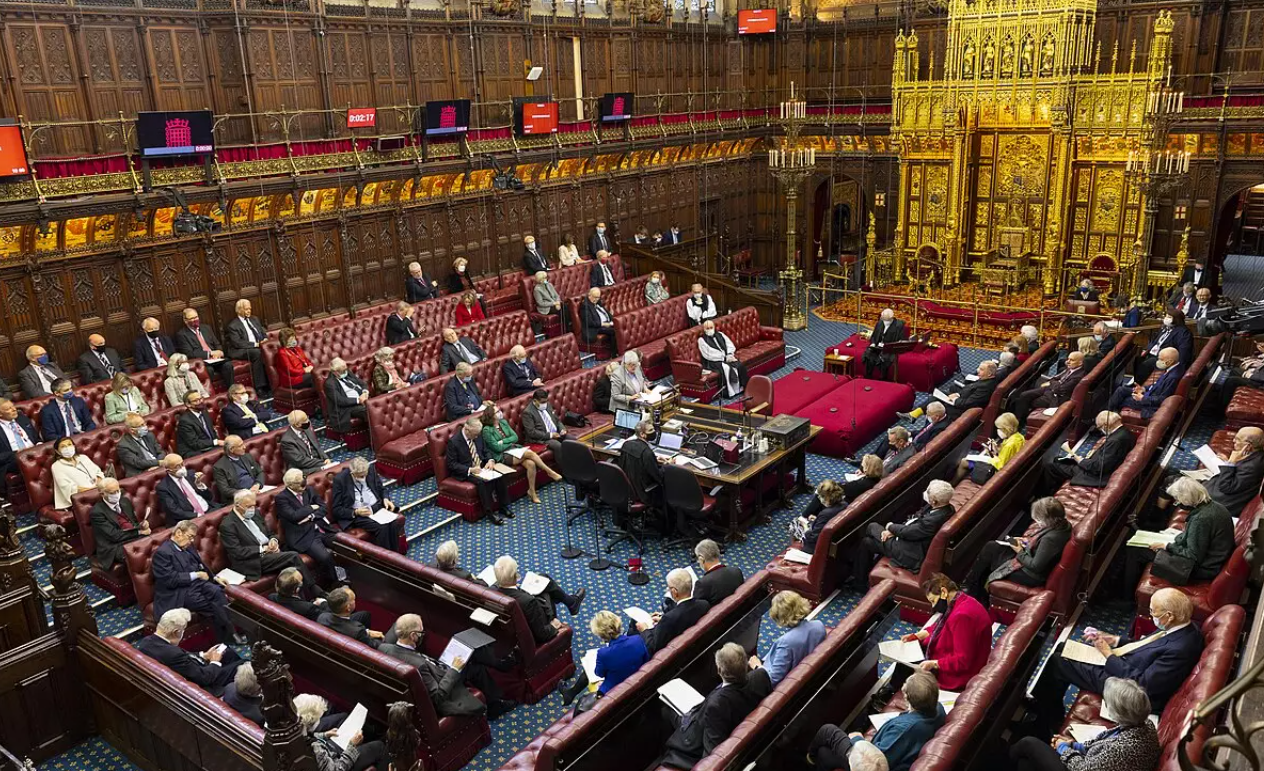
The British Parliament approved a historic reform that eliminates criminal penalties for women who have abortions. The measure maintains the 24-week limit, but redefines abortion as a health issue and not as a crime.
unborn child is made invisible within the debate Any symbolic or ethical limit is eliminated in the
legislation. In addition, they highlight a key point: the
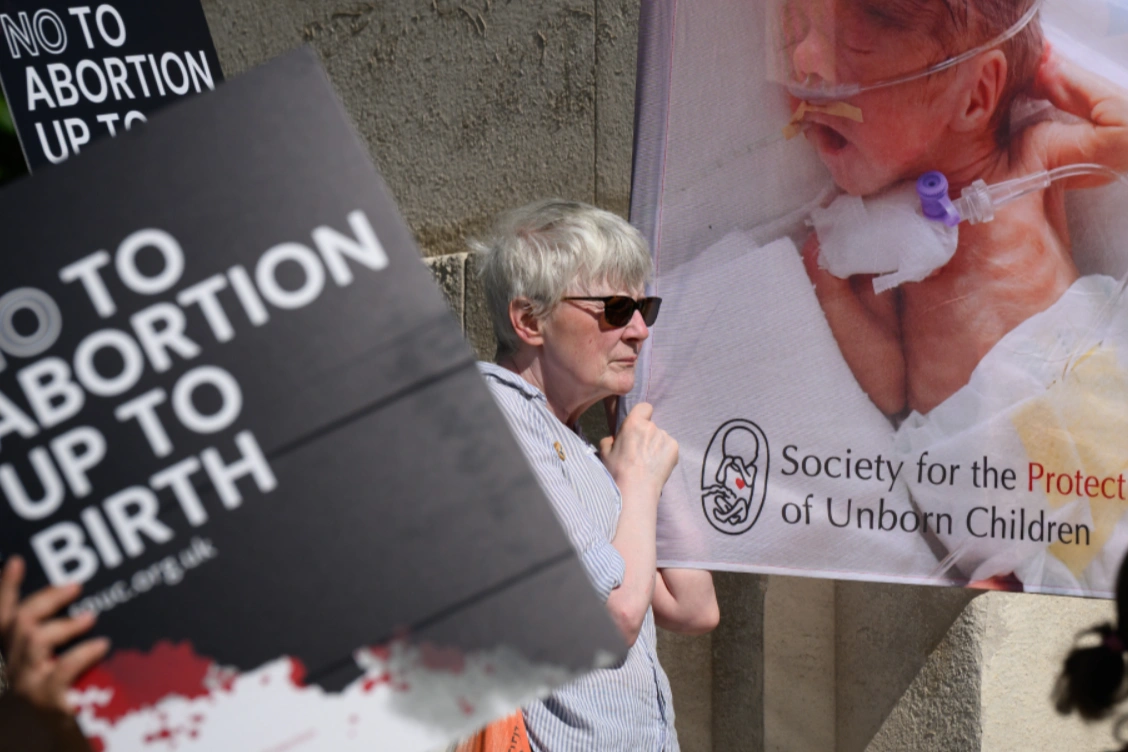
24-week limit implies abortions in advanced stages of development, where the fetus already has formed organs, a heartbeat and, in some cases, possibilities of survival outside the womb
.
For these sectors, this is not a simple medical procedure, but a decision that directly impacts a developing human life.
In a decision that deepens Europe's progressive course, Great Britain approved the decriminalization of abortion for women, eliminating any criminal punishment linked to the practice.
The reform maintains the legal limit of 24 weeks of gestation and mandatory medical control, but introduces a fundamental change: abortion ceases to be considered a crime for women and is now framed exclusively as a health issue.
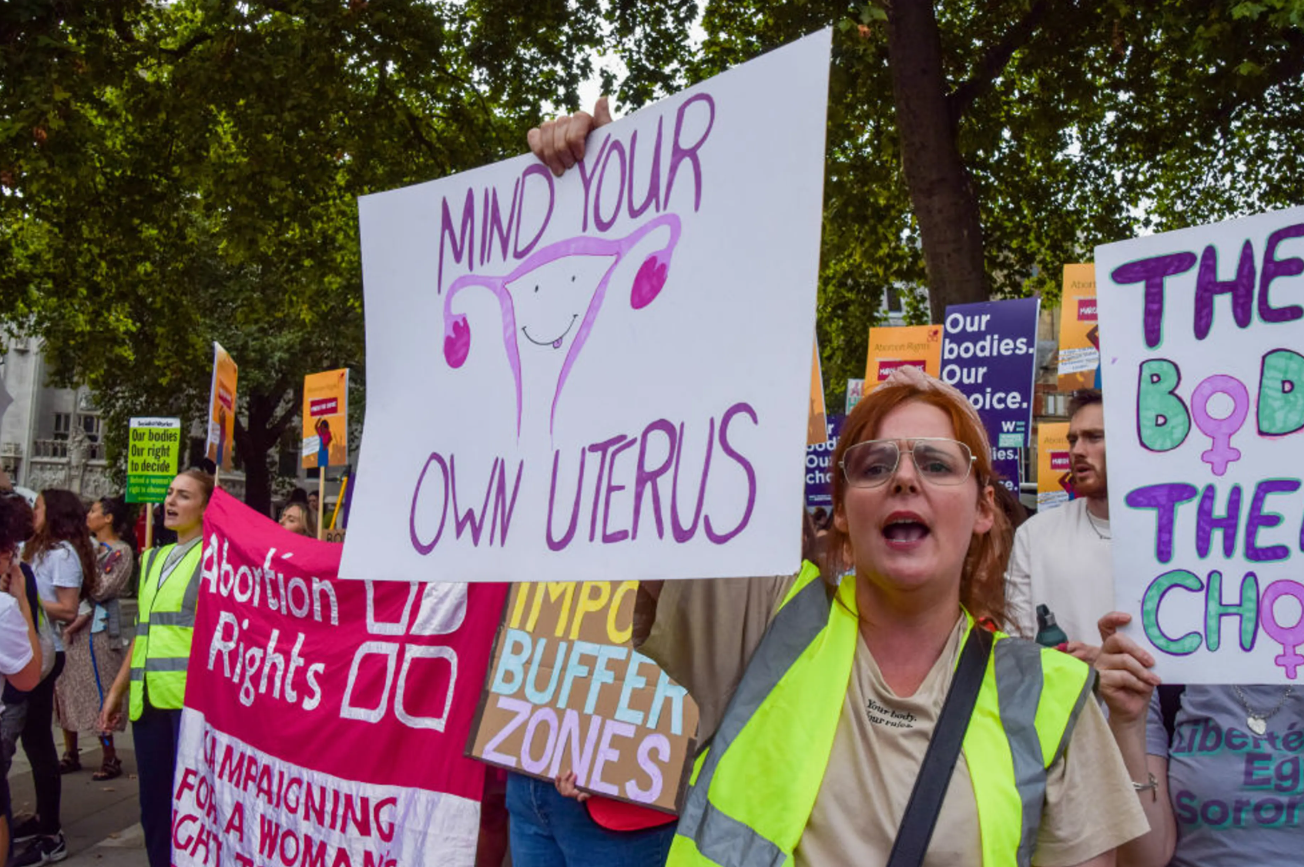
For the government, this is an “advance in rights”. However, for large critical sectors, the measure represents a further step in the institutionalization of the culture of waste
.
A legal change that erases limits and responsibilities
The new regulatory framework implies a total redefinition of abortion within the British legal system:
The
criminal sanction for women is eliminated The
24-week limit is maintained The
requirement for medical intervention Continues
Abortion is now being treated solely as a health practice
This change is no minor. By removing all legal consequences, the State ceases to recognize that there is a moral or legal conflict at stake. For critics, this amounts to fully legitimizing the elimination of a life in gestation
.
Criticism: “The elimination of a life is normalized” From pro-life
and conservative sectors, the reform was severely questioned because of what they consider
to be a trivialization of abortion.
They warn that:
The idea is established that terminating a pregnancy is a neutral act
From crime to “right”: the cultural shift in the West
British reform reflects a deeper transformation: the shift from considering abortion as an exceptional practice to promoting it as an unquestionable right
.
In this process:
The ethical debate is replaced by a health approach
The
moral dimension of the topic is deliberately excluded
.
Individual autonomy is prioritized over the protection of life
.
Critics argue that this change is not neutral, but profoundly ideological, and that it responds to an agenda that seeks to redefine
the fundamental values of society.
The blind spot of the debate: life that is not mentioned
One of the main questions to the reform is that the focus is placed exclusively on women, leaving the pregnant human being completely out of the question
.
For those who oppose the measure, this omission is no accident: it is the necessary condition to justify the practice.
“Abortion does not disappear as an ethical problem because it is declared a health issue,” they warn from critical sectors. “You just stop talking about the life that's at stake.”