The European nation has signed a long-term contract for the purchase ofliquefied natural gas (LNG), establishing for the first time a link of this magnitude with a South American supplier. The agreement was sealed between the German state company Securing Energy for Europe and the Southern Energy S.A. Consortium, an alliance of giants comprised of YPF, Pan American Energy and Pampa
Energía. Liquefied Natural Gas (LNG) This iron agreement provides for the constant supply of 2 million tons of LNG per year over an 8-year period.
In terms of volume, this means shipping up to 9 million cubic meters a day to the heart of Europe. From a financial point of view, the management of legal security and the opening to the market have borne fruit: according to Deutsche Welle projections, this historic contract could inject revenues of more than 7 billion dollars into the Argentine economy, a figure that will fluctuate positively depending on the evolution of
global prices.
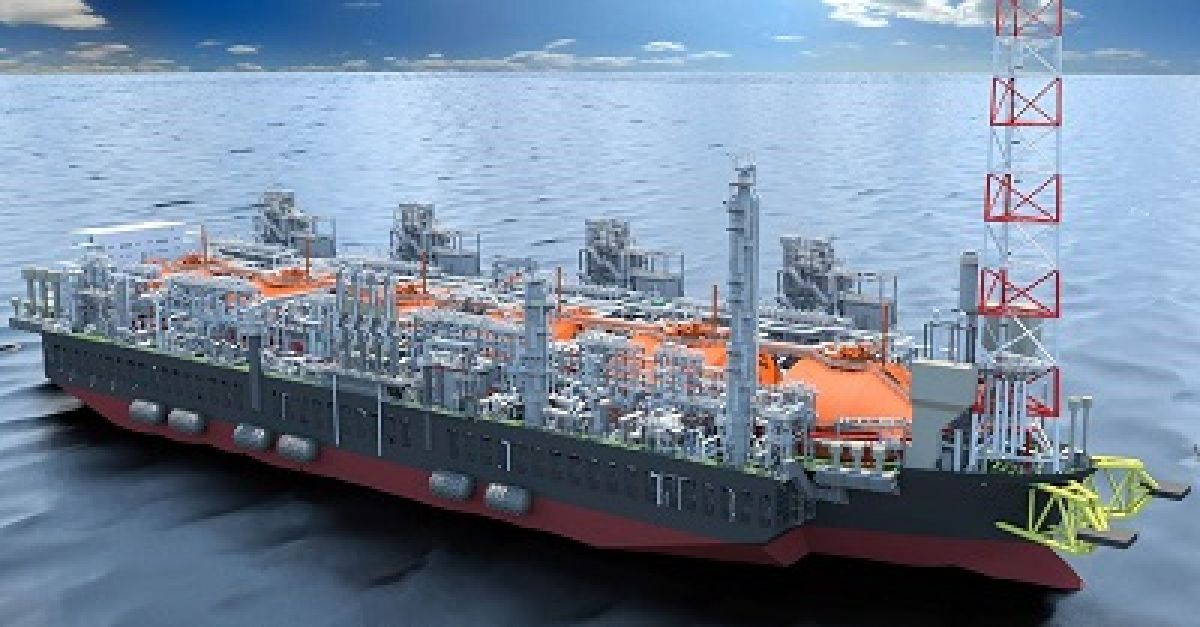
The heart of this export revolution is, unquestionably, Vaca Muerta, one of the largest unconventional gas reserves in the world, located in the province of Neuquén.To realize this feat of engineering and commerce, the plan envisages the construction of a gas pipeline of about 500 kilometers that will connect the reserve with the coast of Rio Negro. There, the implementation of cutting-edge technology using floating liquefaction units will allow an initial production capacity of 6 million tons per year, transforming our natural resource into an elite export product transported by sea to European ports
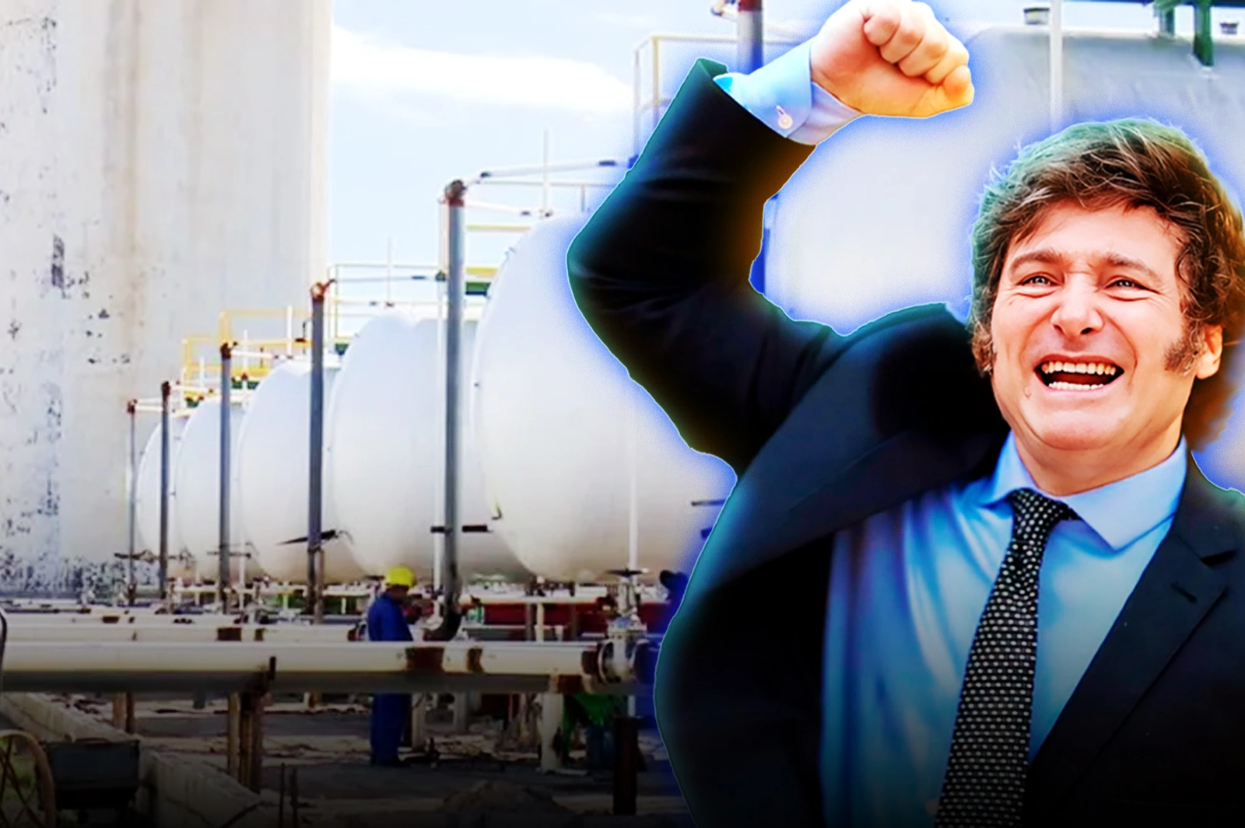
. The president, Javier Milei.
The strategic importance of this agreement is vital. While for Germany it represents the definitive step to reduce dependence on Russian gas after supply cuts in Eastern Europe, for Javier Milei's Argentina it means consolidation as a global supplier in a highly competitive market. The country stops settling for limited shipments to neighbors such as Chile or Brazil to play in the major transatlantic leagues
.
This new paradigm confirms that Argentina is now an emerging actor capable of attracting massive investments and generating genuine currencies. Under the new order of regulatory stability, the challenge of sustaining infrastructure and meeting execution deadlines is taken with the seriousness that the world demands. The start of exports in 2027 will not be just a date on the calendar; it will be the turning point enshrined in Argentina's new export profile and the triumph of a vision of a country integrated with the