The planned investments require moving forward with gas pipelines, pipelines and an LNG plant in Rio Negro, which are key to transforming the announced $130 billion into concrete energy exports.
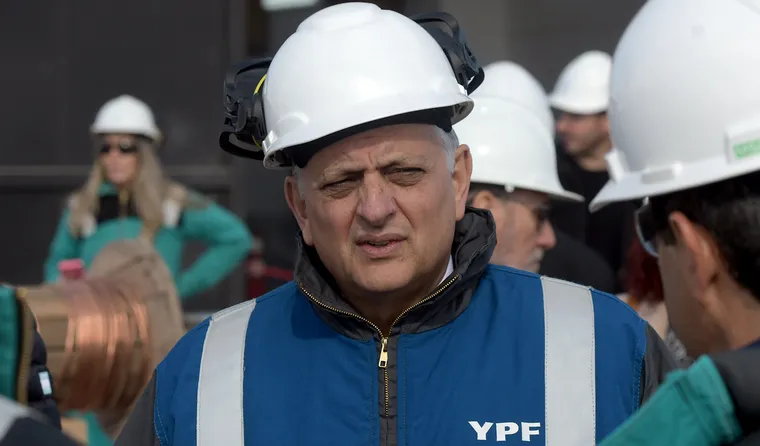
In an international context marked by geopolitical tensions and a growing demand for energy, Argentina is making progress in consolidating Vaca Muerta as one of the world's main hydrocarbon development poles. During an event organized by the Atlantic Council inBuenos Aires, the president of YPF, Horacio Marín, said: “Oil companies will invest $130 billion in Vaca Muerta by 2031.” The magnitude of the announcement was accompanied by a clarification that measures its scope: this is an amount equivalent to what the world's leading oil company invests annually in all the countries in
which it operates.
The investment process is already showing concrete signs. The state-majority oil company will allocate $20 billion to infrastructure and another $10 billion to production this year alone, in line with a strategy of sustained expansion. In this context, the head of YPF linked the global context to the acceleration of projects: “It is likely that the war has accelerated times”, and also added that “the war in the Middle East will advance investments”, highlighting the impact of international conflicts on
energy dynamics. Horacio Marín, CEO of YPF
One of the central axes of development is the Argentina LNG project, one of the three existing to export liquefied natural gas. As Marín explained, it will be “the largest finance project in the history of Latin America”. The initiative requires a large scale infrastructure, including a gas pipeline, a polypipeline and a plant the size of the YPF refinery in La Plata, to be developed in Rio Negro
.
The scope of the project is even greater. “The project is to develop oil and gas in the same area, it is the third largest project in the world that is in pre-FDI,” Marín explained, stressing its relevance in the global energy map. The panel also included the participation of Rolando Figueroa and Brian A. Falik, who agreed to highlight the advances in the sector. Both highlighted the growth of employment in Neuquén and the strong investment interest generated by the
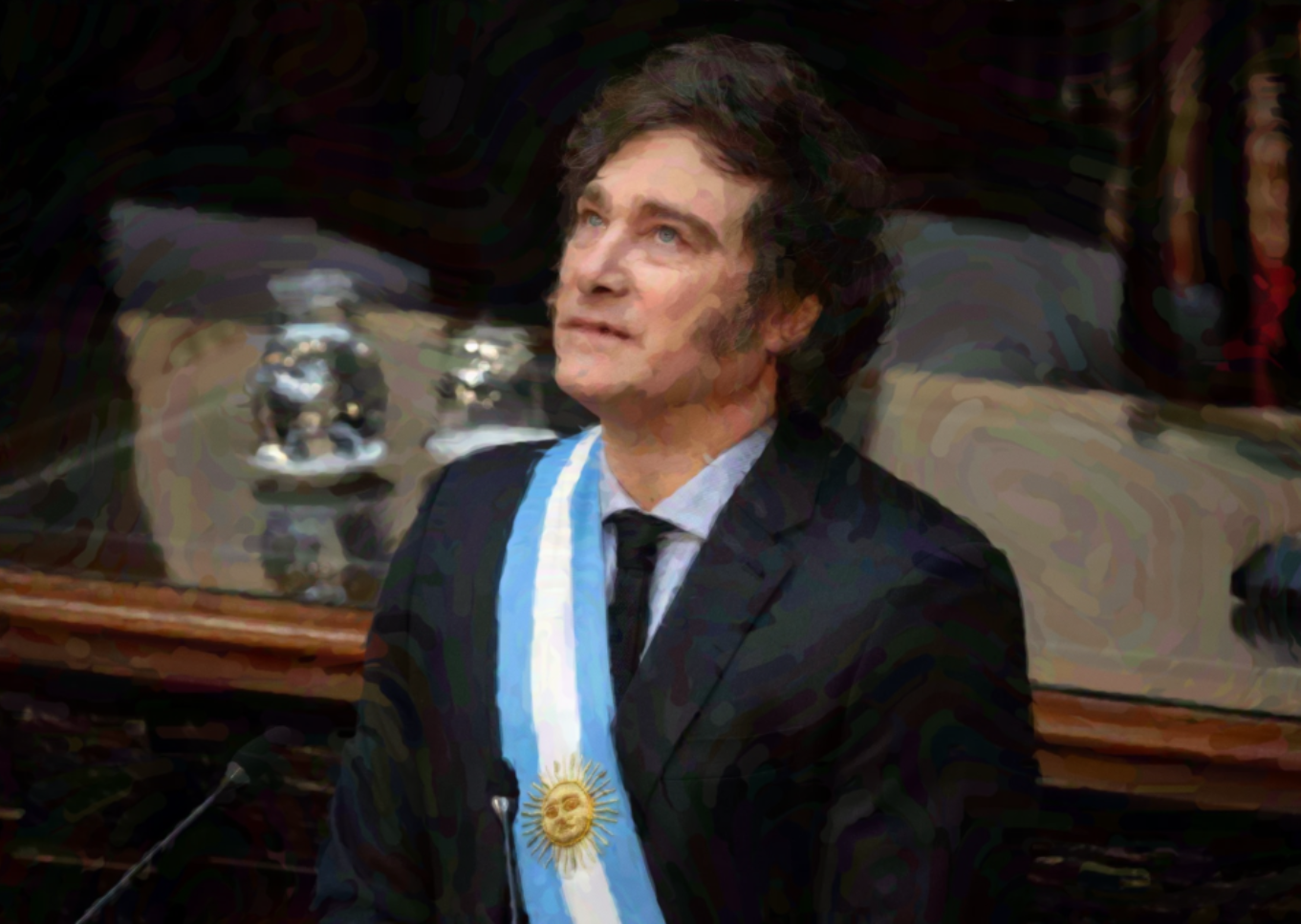
industry. The president, Javier Milei.
In strategic terms, Marín proposed a clear international alignment: “We have to work with the United States, together we can give energy to the world,” he said, referring to energy cooperation with the United States. At the sectoral level, the executive also highlighted a change in the dynamics between companies. “I see José Luis Manzano. I already know that I sit down to talk with him and in five minutes we agreed,” he said, graphing a climate of greater cooperation in contrast to past disputes
.
Finally, he defended the mechanism implemented to avoid price increases: “We made a 'hedge' (potential benefit in a move) for people, on the right path and in the free market,” he said, in line with a market logic aimed at sustaining investments without putting pressure on consumers. With record investments, global projects and an international context that plays in favor, Vaca Muerta positions itself as the central axis of the new Argentine energy scheme, consolidating a phase of expansion that seeks to insert the country as a key supplier in